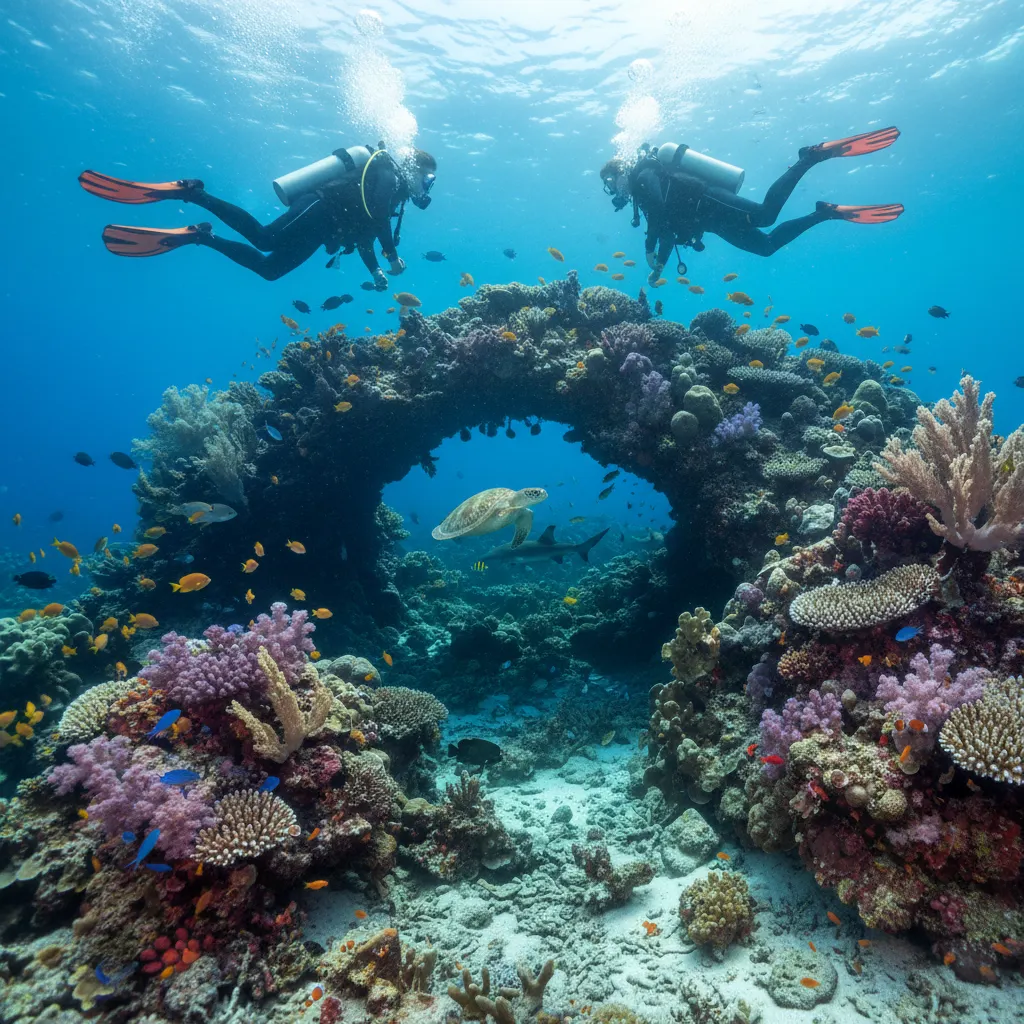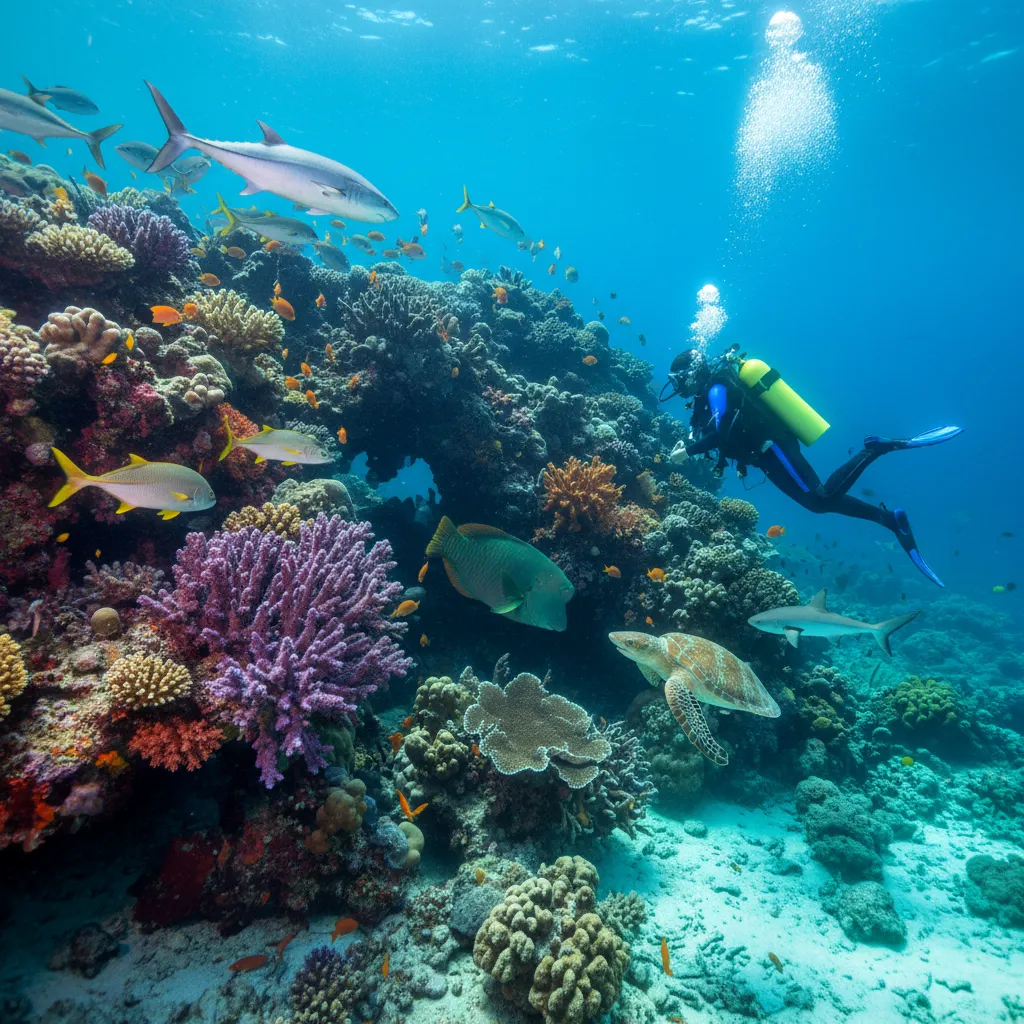
Scuba Diving in Cook Islands

Explore 36 dive sites and 4 dive centres in Cook Islands. Conditions, marine life, and the best time to dive.

Cook Islands Diving at a Glance

1 dive region, 36 dive sites, 4 dive centres, 143 marine species recorded.

Travel Advisories for Cook Islands

UK FCDO: See travel advice before travelling.

Best Time to Dive in Cook Islands

The best months to dive in Cook Islands are January, February, March, based on water temperature, visibility, wave conditions, and currents.

Month-by-Month Diving Conditions

  • January: Great, water 26.5°C
  • February: Great, water 26.5°C
  • March: Great, water 26.5°C
  • April: Great, water 26.5°C
  • May: Great, water 26.5°C
  • June: Great, water 26.5°C
  • July: Great, water 26.5°C
  • August: Great, water 26.5°C
  • September: Great, water 26.5°C
  • October: Great, water 26.5°C
  • November: Great, water 26.5°C
  • December: Great, water 26.5°C

Recommended Packing List for Cook Islands

Based on average water temperature of 26.5°C.

  • Shorty or Rashguard - warm 27°C water needs minimal exposure protection
  • Mask - essential for every dive
  • Fins
  • BCD - buoyancy compensator
  • Regulator - your most safety-critical piece of gear
  • Dive Computer - tracks depth, time, and NDL
  • Surface Marker Buoy (SMB) - essential for boat pickups
  • Dive Torch - useful for crevices and colour at depth
  • Underwater Camera - capture your diving memories

Dive Regions

Frequently Asked Questions

What is the best time of year to go scuba diving in the Cook Islands for good visibility and marine life, especially for whale sightings?
The Cook Islands offer exceptional visibility reaching 60m and consistent water temperatures of 26°C throughout the entire year, making it an excellent diving destination anytime. While the provided data does not specify a particular season for whale sightings, the consistent conditions ensure great diving whenever you visit. For more details on seasonal conditions, check our When to Dive guide.
What are the visa and entry requirements for international travelers planning a diving trip to the Cook Islands?
Information regarding visa and entry requirements for international travelers planning a diving trip to the Cook Islands is not available in the provided data. We recommend checking with the official Cook Islands government immigration website or your local embassy for the most current requirements before planning your trip.
What kind of marine life and coral can divers expect to see when diving in the Cook Islands?
Divers in the Cook Islands can expect to encounter a diverse range of marine life, including larger pelagic species such as sharks, rays, and potentially even humpback whales. The region's diverse diving environments, including Rarotonga's reef passages and Aitutaki's stunning lagoon, support a rich ecosystem. For a comprehensive look at potential encounters, explore our marine life database.
Are there dive sites in the Cook Islands suitable for beginner divers, or are they primarily for experienced divers?
The Cook Islands offer diverse diving opportunities, with environments like Rarotonga's reef passages and Aitutaki's stunning lagoon. This diversity typically includes sites suitable for various experience levels, making it welcoming for beginner divers as well as experienced ones. The uncrowded tropical paradise setting provides a relaxed environment for learning and exploring.
What are the typical costs for scuba diving trips and certification courses in the Cook Islands?
The provided data does not include specific information on the typical costs for scuba diving trips or certification courses in the Cook Islands. To get the most accurate pricing, we recommend contacting the local dive centres directly. There are 4 dive centres operating across the islands that can provide current rates.
Which specific islands or regions in the Cook Islands are considered the best for scuba diving, and what are some popular dive sites?
For scuba diving in the Cook Islands, Rarotonga and Aitutaki are highlighted as prime regions. Rarotonga boasts 36 of the total 44 dive sites, offering extensive reef passages. Aitutaki is renowned for its stunning lagoon, providing another unique diving experience. While specific popular dive sites are not detailed in the provided information, these two islands are definitely the places to explore.
What are the average water temperatures and visibility conditions for diving in the Cook Islands throughout the year?
Divers in the Cook Islands can enjoy remarkably consistent conditions year-round. The average water temperature remains a pleasant 26°C every month, from January through December. Furthermore, the region is known for its exceptional visibility, which can reach up to 60m, offering crystal-clear Polynesian waters for an incredible diving experience. For more on seasonal conditions, visit our When to Dive page.
Can divers expect to encounter larger pelagic species like sharks, rays, or even humpback whales while diving in the Cook Islands?
Yes, divers in the Cook Islands can certainly expect to encounter larger pelagic species. The region is known for its diverse marine life, including sharks, rays, and the exciting possibility of seeing humpback whales. Diving in this uncrowded tropical paradise offers excellent opportunities for these thrilling encounters. Explore our marine life database for more information on species found here.