
Diving in Marshall Islands
Why dive here
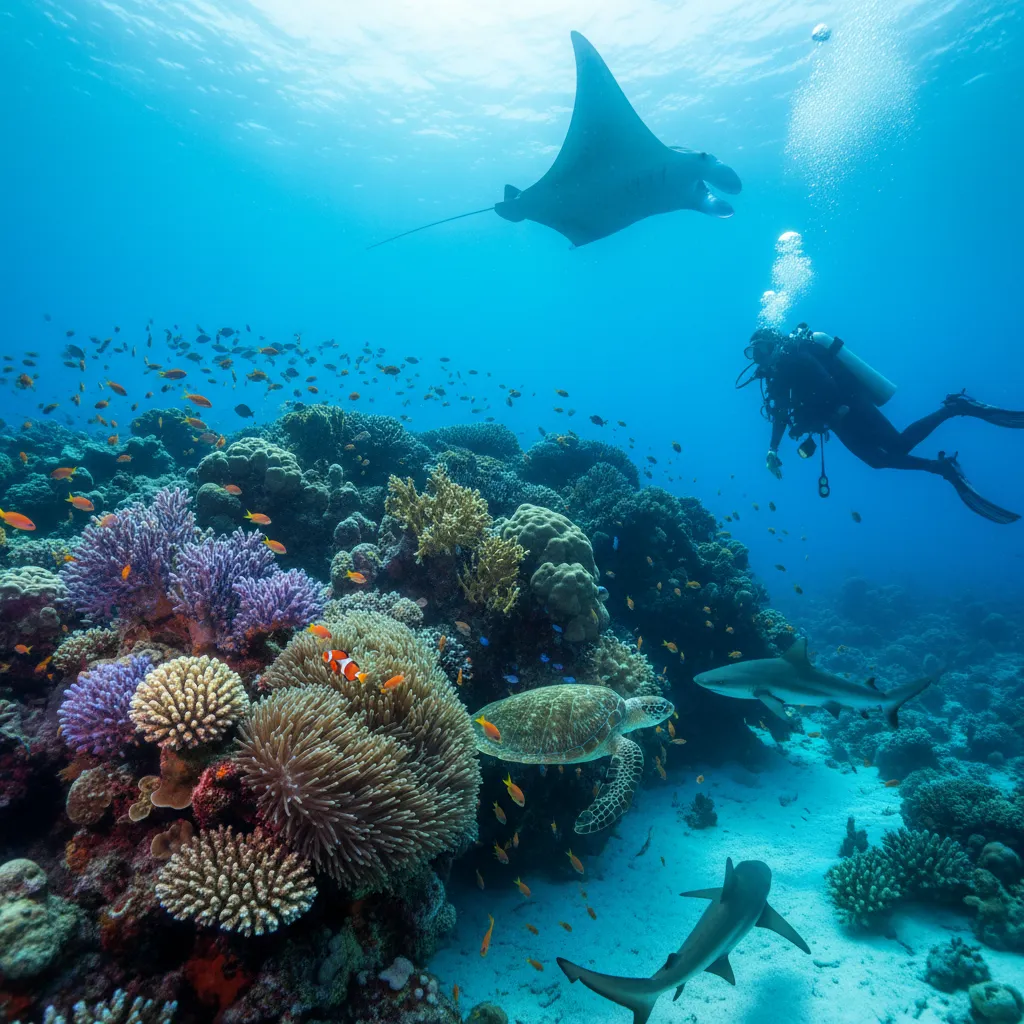
Marshall Islands offers rich diving, with 352+ marine species recorded in its waters - including barracuda, blacktip reef sharks, eagle rays, giant moray eels and grey reef sharks. Water ranges 28-30°C, warmest August, September, October.
The Marshall Islands isn't for a casual dive trip, but for those willing to go the distance, it’s an experience that truly stands apart. Bikini Atoll, of course, is the big draw, a deep dive into history with its fleet of WWII warships sunk during nuclear tests. Dropping onto the USS Saratoga, seeing the sheer scale of it, really puts things into perspective; we’d suggest multiple dives here to properly take it all in. Beyond the wrecks, Majuro and Arno Atolls offer healthy reefs, a stark contrast to the atoll’s past. Expect strong currents and deep dives, so advanced certification is a must. We find the dry season, roughly May to October, offers the calmest conditions for reaching these remote sites.
Marshall Islands Dive Regions Map
Marshall Islands Dive Regions
2 diving areas in Marshall Islands
Bikini Atoll
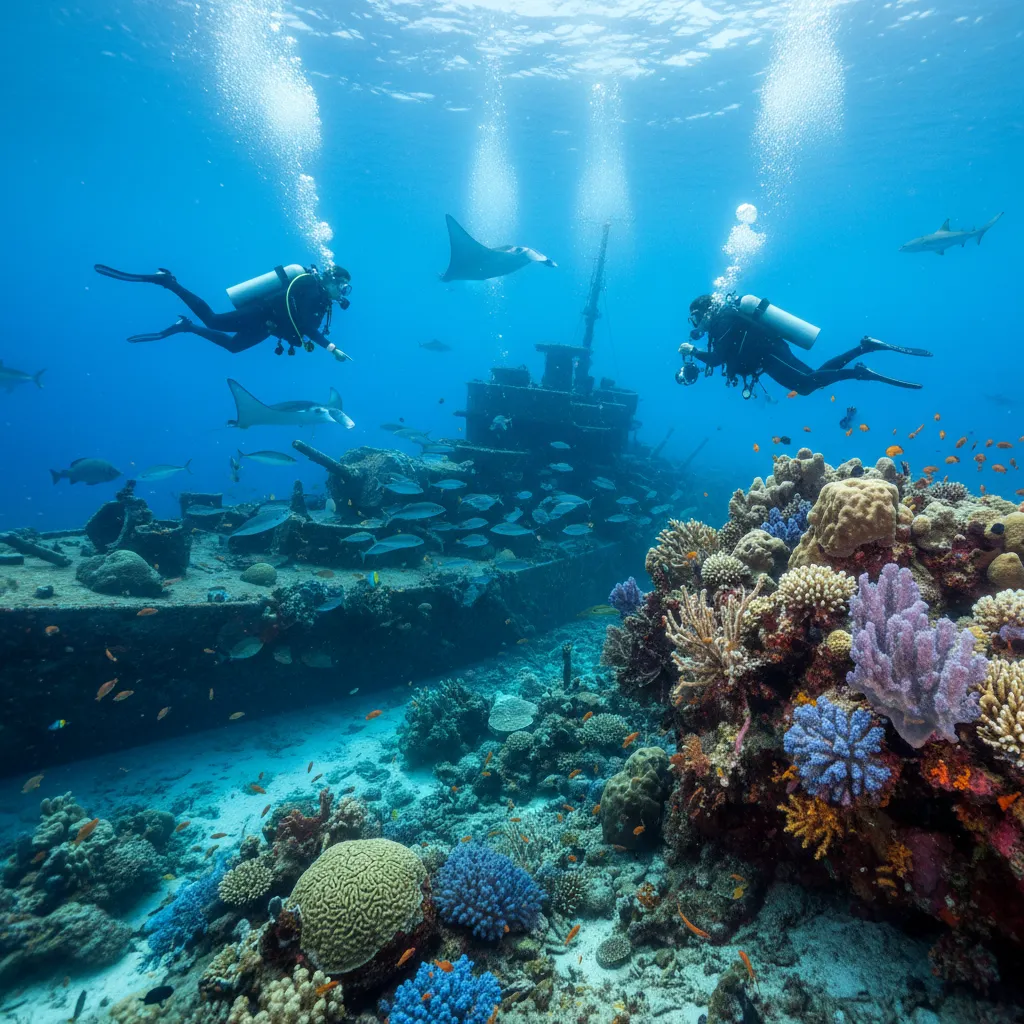
Bikini Atoll isn’t a quick trip, and that’s part of its appeal. This UNESCO site isn’t for the faint of heart or the beginner. We’re talking serious wreck diving, requiring technical skills and a healthy respect for what lies beneath. The star attractions are a fleet of WWII warships, intentionally sunk during nuclear tests in the 1940s. Imagine descending onto the USS Saratoga, a massive aircraft carrier, or navigating the upright Japanese battleship Nagato. It’s a sobering experience, these steel giants now home to an unexpected explosion of life: speckled groupers patrol bomb bays, blackspot surgeonfish dart through corridors. The sheer scale of these wrecks is what sets Bikini apart. You’ll feel the weight of history as you glide past twisted metal and decaying machinery. Visibility here is generally solid, but strong currents can pick up, so pay attention to your dive brief. Our favorite moments involve finning through open decks, seeing daylight stream through gaping holes, illuminating schools of fusiliers so thick they almost block the light. It’s not a bustling coral reef, it’s a solemn, profound dive into a man-made ghost town slowly reclaimed by the ocean. Come prepared, this is a deep dive into history and marine resilience.
Majuro Atoll
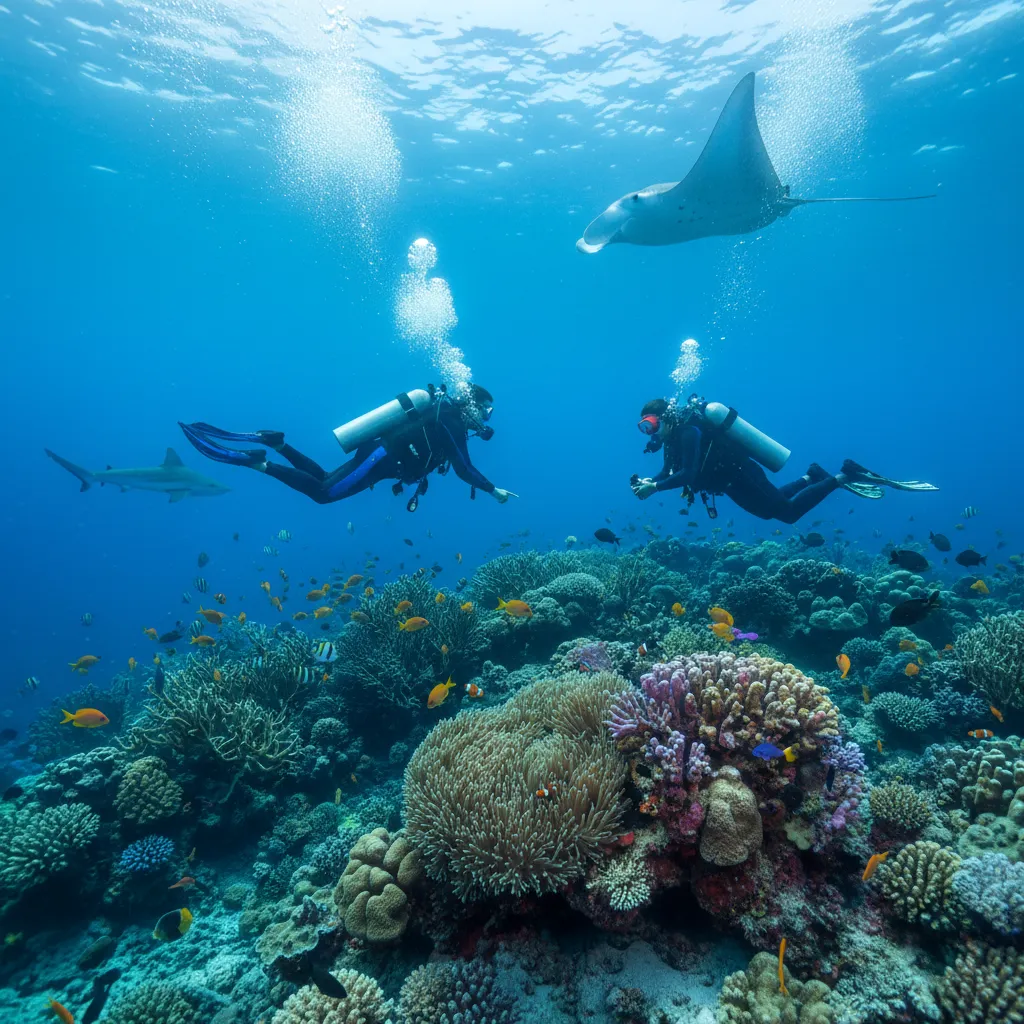
Majuro might be the capital, but don’t let that conjure images of bustling dive boats. It’s far more laid-back. The diving here is surprisingly accessible for a remote Pacific atoll, with gentle reef slopes and some exhilarating channel drifts. We often encounter schools of Blackfin Soldierfish tucked into overhangs and we’ve seen plenty of Gray Reef Sharks cruising the currents. Our favourite spots are where the channels meet the open ocean, especially on an incoming tide when the water really pushes through, bringing in bigger pelagics. We love the simplicity of diving Majuro. You’re not fighting crowds; it feels like you have the ocean to yourselves. Keep an eye out for the more unusual residents - the vibrant Green-blotched Parrotfish really stand out against the corals, and we’ve spent ages watching Anchor Trunkfish meticulously picking through the sand. Visibility can hit 30 metres on a good day, especially during the drier months from December to April. Expect warm water year-round, typically around 28-29°C. The currents in the channels can be strong, which is fantastic for a drift dive, but it does mean some sites are better suited for advanced divers. We’d suggest chatting with the local dive centre about the day’s conditions; they know the atoll intimately.
Ocean Wildlife in Marshall Islands
352 species recorded in Marshall Islands
Marshall Islands Visa Requirements
Check if you need a visa to dive in Marshall Islands
Plan & book
Ways to dive Marshall Islands, from day trips to liveaboards.
Day trips & courses
via GetYourGuideGuided dives, courses and snorkel trips with instant booking.
Find dive trips in Marshall IslandsPlaces to stay
via Booking.comHotels and dive resorts near Marshall Islands.
Search stays in Marshall IslandsDive insurance
Most travel insurance excludes or limits scuba. Check what you need before you go.
Dive insurance explainedPartner links: we may earn a commission if you book, at no extra cost to you. How we make money