
Diving in South Korea
Why dive here
South Korea offers rich diving, with 123+ marine species recorded in its waters - including great white sharks, hammerhead sharks, mobula rays (devil rays), octopuses and sea turtles.
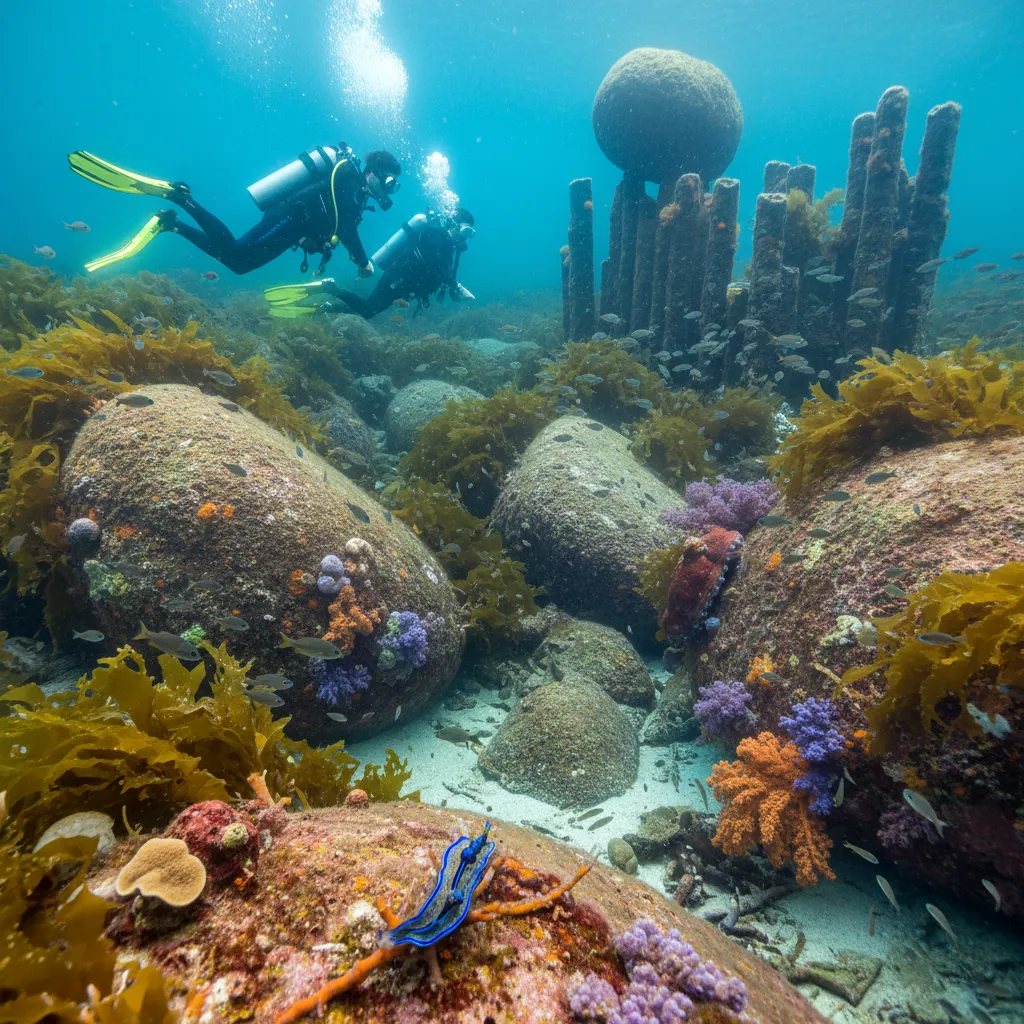
Diving in South Korea feels like tapping into a well-kept secret, especially if you’re used to tropical warmth. Forget the usual reef scenes; here, it’s all about the dramatic volcanic topography and a surprisingly robust temperate ecosystem. We always steer divers towards Jeju Island first. Its UNESCO-listed volcanic landscapes continue underwater, creating compelling backdrops for dives through unique soft coral forests. Watching the haenyeo, Jeju’s legendary free-diving women, work their craft before a dive always grounds the experience in something truly local. For the adventurous, Ulleungdo and its neighbouring Dokdo islets offer more rugged diving. Strong currents are common, but they bring in the larger pelagics - we’ve seen impressive schools of Bullet Mackerel and Oriental Bonito pass by. The East Coast has its moments too, especially if you’re keen on finding some of the more unusual bottom dwellers, like the Japanese Stargazer. Visibility can be variable, often dropping in spring with plankton blooms, but when it’s good, the sheer density of marine life - from Bigscale Duckbills to striking Star ascidians - is genuinely compelling. Pack a thick wetsuit; even in summer, the water has a refreshing chill.
South Korea Dive Regions Map
South Korea Dive Regions
3 diving areas in South Korea
East Coast
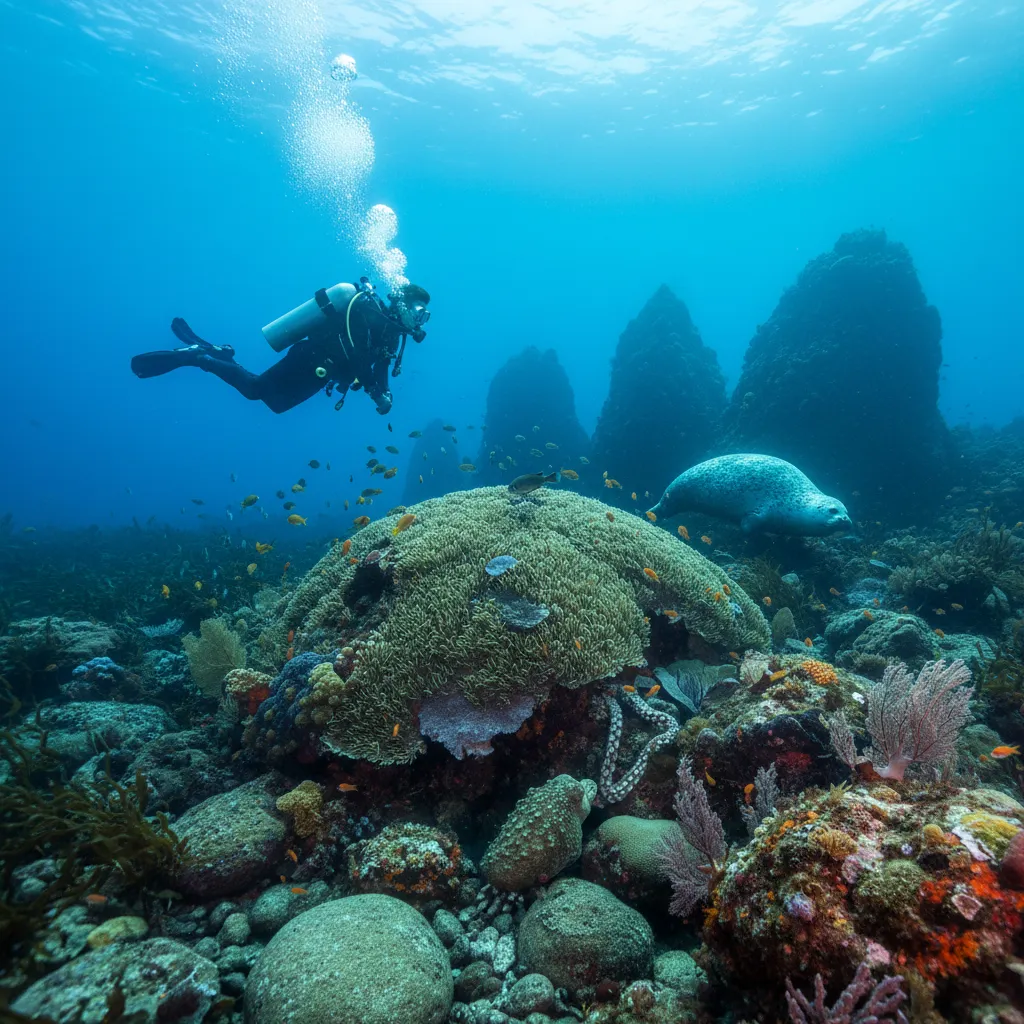
South Korea’s East Coast diving, particularly along the Gangwon coast, offers a genuine cold-water experience. We’re talking proper temperate diving, where you’ll trade tropical colours for a unique ecosystem teeming with species like the striking Snake Prickleback and the surprisingly charismatic Webfoot Octopus. It’s a different kind of beauty down here. Our favourite time to dive is late spring into early summer, when visibility is generally at its best and you might catch the incredible sight of squid aggregations. We’ve been surrounded by thousands of them, a truly wild experience. Expect to see big schools of Pacific herring and Big-eye trevally swirling around; the sheer number of fish can be astounding. The reefs here are mostly rocky, dotted with sea lettuce and various bryozoans, and there are a few decent wrecks to explore that act as artificial reefs. While you wont find coral gardens, you'll still see plenty of Bannerfish and even the occasional Green Turtle if you're lucky. Be prepared for colder water and a wetsuit that means business; we usually opt for a semi-dry or full drysuit to stay comfortable.
Jeju Island
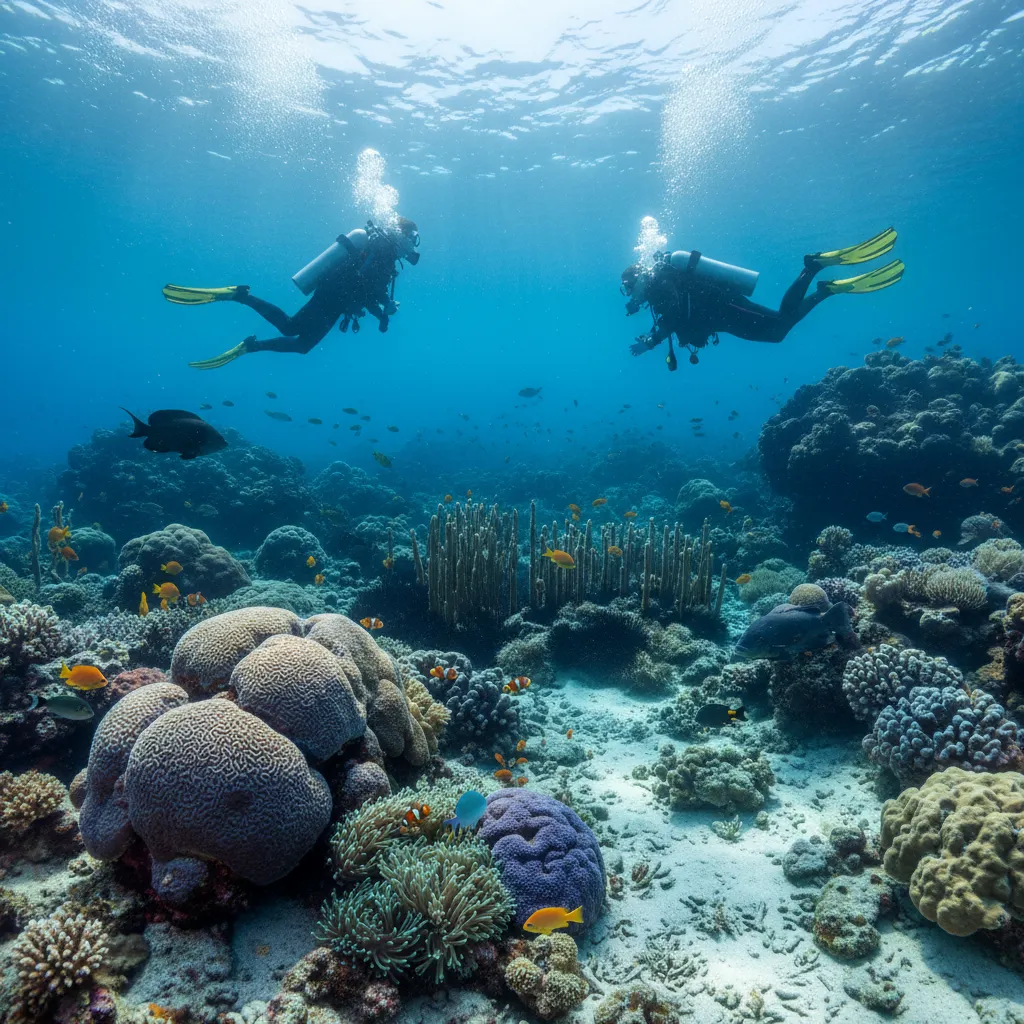
Jeju Island is where we head when we want something a little different, a stark contrast to the tropical dive sites we often frequent. It’s got a raw, volcanic beauty, with dramatic basalt formations that create incredible swim-throughs and overhangs. The soft coral forests here are just phenomenal, carpets of yellows, oranges, and purples clinging to the rocks. We often spot Mimka bobtail squid jetting around the crevices or a Japanese stargazer half-buried in the sand, just its eyes peeking out. Our favourite time to dive Jeju is in autumn. The water is still warm, around 20-22°C, and the visibility can stretch to 20 metres or more. We always make a point to visit Munseom Island, particularly the ‘Seopseom Corner’ site. That’s where you’ll find the densest soft coral, along with schools of scad swirling like silver tornadoes. The currents can pick up a bit, so we’d suggest going with a local guide who knows the tides. Keep an eye out for the famed haenyeo, Jeju’s women free-divers; seeing them work is a powerful reminder of the ocean's enduring culture here. It’s not about big pelagics, it’s about the intricate details, the unique species, and the sheer, rugged beauty of the underwater landscape.
Ulleungdo
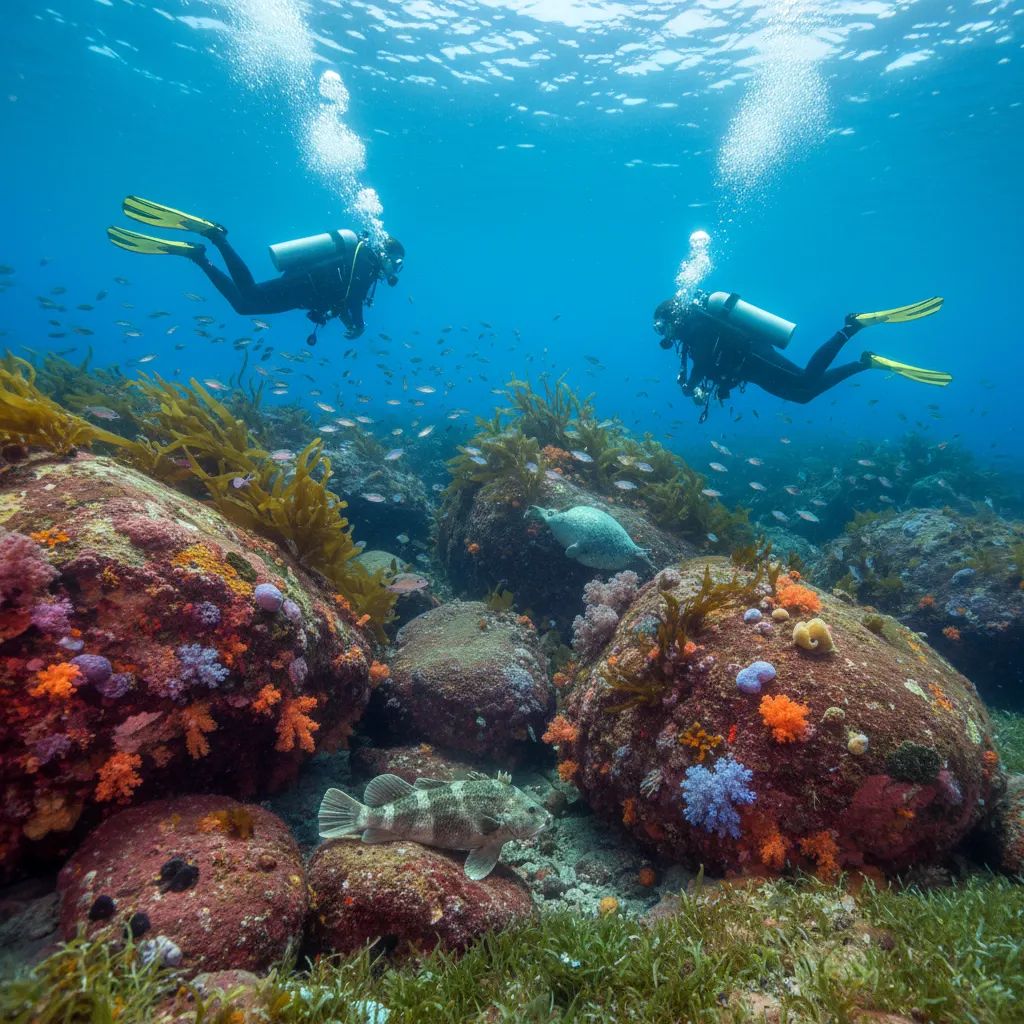
Ulleungdo isn't your typical South Korean dive trip, and that's precisely why we love it. This remote volcanic island, jutting out of the East Sea, offers a genuinely unique perspective on temperate diving. We're talking dramatic underwater topography, where ancient lava flows have sculpted impressive walls and swim-throughs, all covered in a dense carpet of kelp and sea lettuce. The visibility here is often surprisingly good, especially compared to some mainland sites, letting you appreciate the scale of it all. Forget your tropical fish ID charts; Ulleungdo is all about the hardy, beautiful species that thrive in cooler waters. We’ve spotted everything from curious Japanese pinecone-fish tucked into crevices to large schools of California yellowtail cruising past. Keep an eye out for the smaller stuff too, like the vividly coloured short-head sabretooth blenny. While "beginner" is listed, some sites can have a bit of a current, so it pays to be comfortable in moving water, though your guide will always pick the best conditions. Our favourite time to visit is late summer when the water is warmest and the marine life seems most active.
Ocean Wildlife in South Korea
123 species recorded in South Korea
South Korea Visa Requirements
Check if you need a visa to dive in South Korea
Plan & book
Ways to dive South Korea, from day trips to liveaboards.
Day trips & courses
via GetYourGuideGuided dives, courses and snorkel trips with instant booking.
Find dive trips in South KoreaPlaces to stay
via Booking.comHotels and dive resorts near South Korea.
Search stays in South KoreaDive insurance
Most travel insurance excludes or limits scuba. Check what you need before you go.
Dive insurance explainedPartner links: we may earn a commission if you book, at no extra cost to you. How we make money