
Diving in Cape Verde
Why dive here
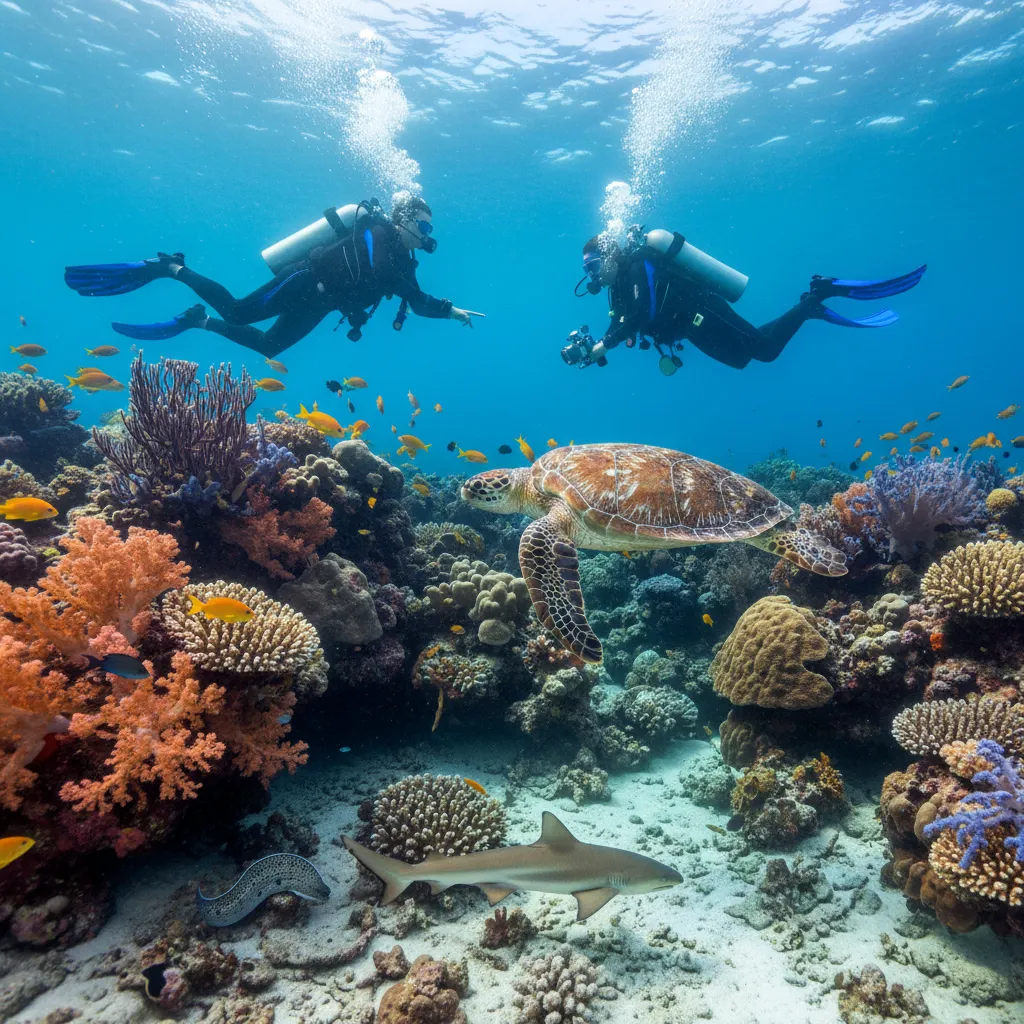
Cape Verde offers rich diving, with 64+ marine species recorded in its waters - including dolphins, dwarf minke whales, humpback whales, ocean sunfish (mola mola) and orcas. Water ranges 23-28°C, warmest August, September, October.
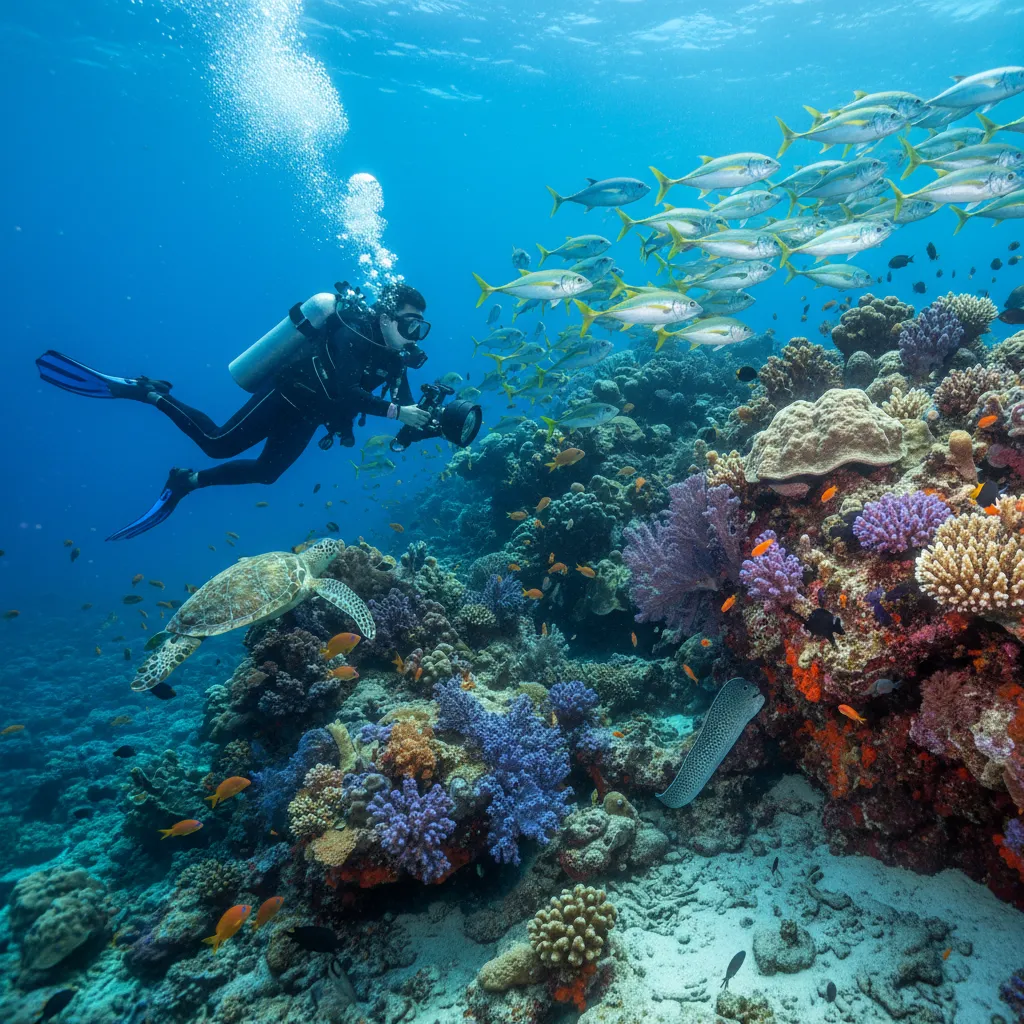
Cape Verde, sitting out in the Atlantic, feels a little different from your usual tropical dive spot. Here, it’s not just about the corals, though there are some interesting hard corals. What really gets us excited are the pelagics and those dramatic volcanic landscapes. We’ve had incredible encounters with whale sharks and manta rays here, especially around the nutrient-rich upwellings that bring in all the bigger stuff. Boa Vista and Sal are your go-to islands for established dive operations and a good variety of sites, from wrecks to lava formations. We’ve found the best visibility and conditions generally run from May to October, but you can dive year-round. Expect to see schools of blue runners, the occasional swordfish streaking by, and those curious Bastard soldierfish peeking from crevices. Exploring the underwater caves and swim-throughs formed by ancient lava flows is a highlight, a really unique sensation you don’t get everywhere.
Cape Verde Dive Regions Map
Cape Verde Dive Regions
4 diving areas in Cape Verde
Boa Vista
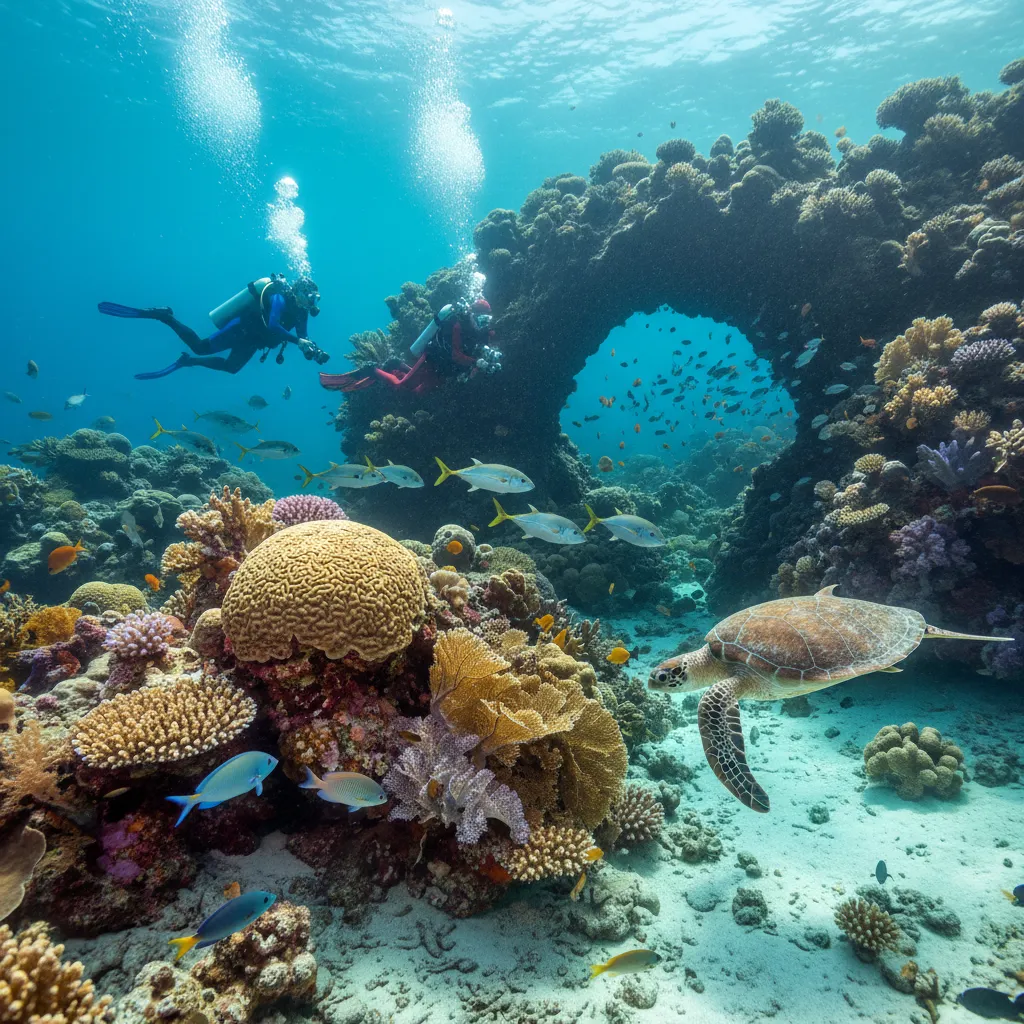
Boa Vista often gets overlooked for Sal, and we think that’s a real shame. The diving here is raw, proper Atlantic stuff. Think vast, open seas and the kind of dramatic encounters you dream about. If you're here between February and May, you’re smack in the middle of humpback whale season. Hearing their calls underwater, a deep thrumming that vibrates through your chest, is something else entirely. We’ve had some truly spectacular dives on the wreck of the *Santa Maria*, a behemoth that’s been slowly breaking up since 1968. It’s an artificial reef now, with schools of barracuda so thick they make the light ripple as they turn. The currents can be a bit frisky here, so be prepared for a bit of a workout. But that’s what brings in the larger pelagics. We’ve spotted rough-toothed dolphins zipping by on safety stops and even had a distant glimpse of an orca pod one memorable afternoon. For reef dives, we love the sites around the islet of Sal Rei. The visibility here can hit 25 metres on a good day, and you’ll often find loggerhead turtles cruising along the reef edge, utterly unbothered by your presence. There are also these incredible Devonshire cup corals, a splash of vibrant orange against the volcanic rock. It’s not the colourful, shallow reef diving of the Red Sea, but it’s got a wild, untamed beauty that we absolutely adore.
Sal
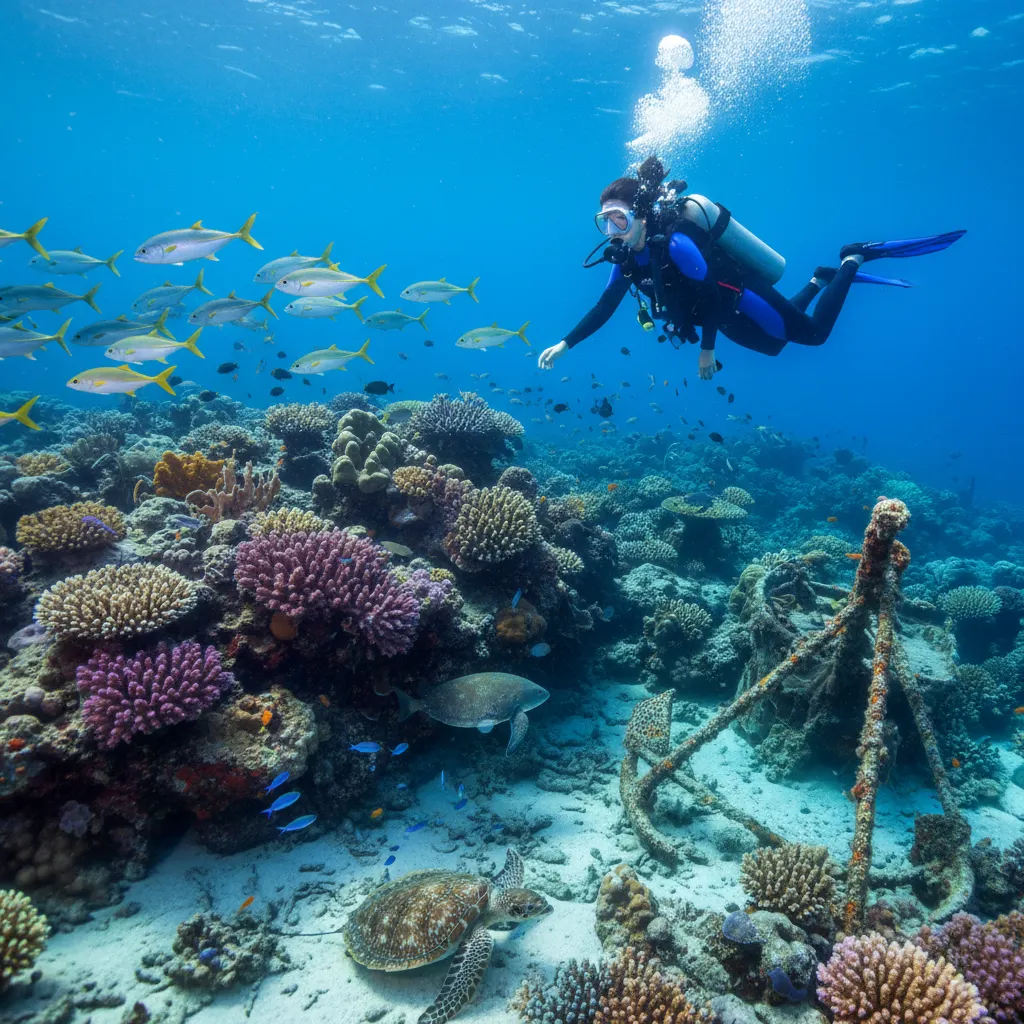
Sal is the busiest island for diving in Cape Verde, and for good reason. You'll find a solid mix of reefs, some interesting cave systems, and a few wrecks that are easy enough for newer divers. What really draws us back are the sharks - lemon sharks and nurse sharks are common sights, and if you hit it right between July and October, you might even spot a whale shark cruising past. It's a comfortable place to dive, offering plenty without throwing anything too challenging your way.
Santiago
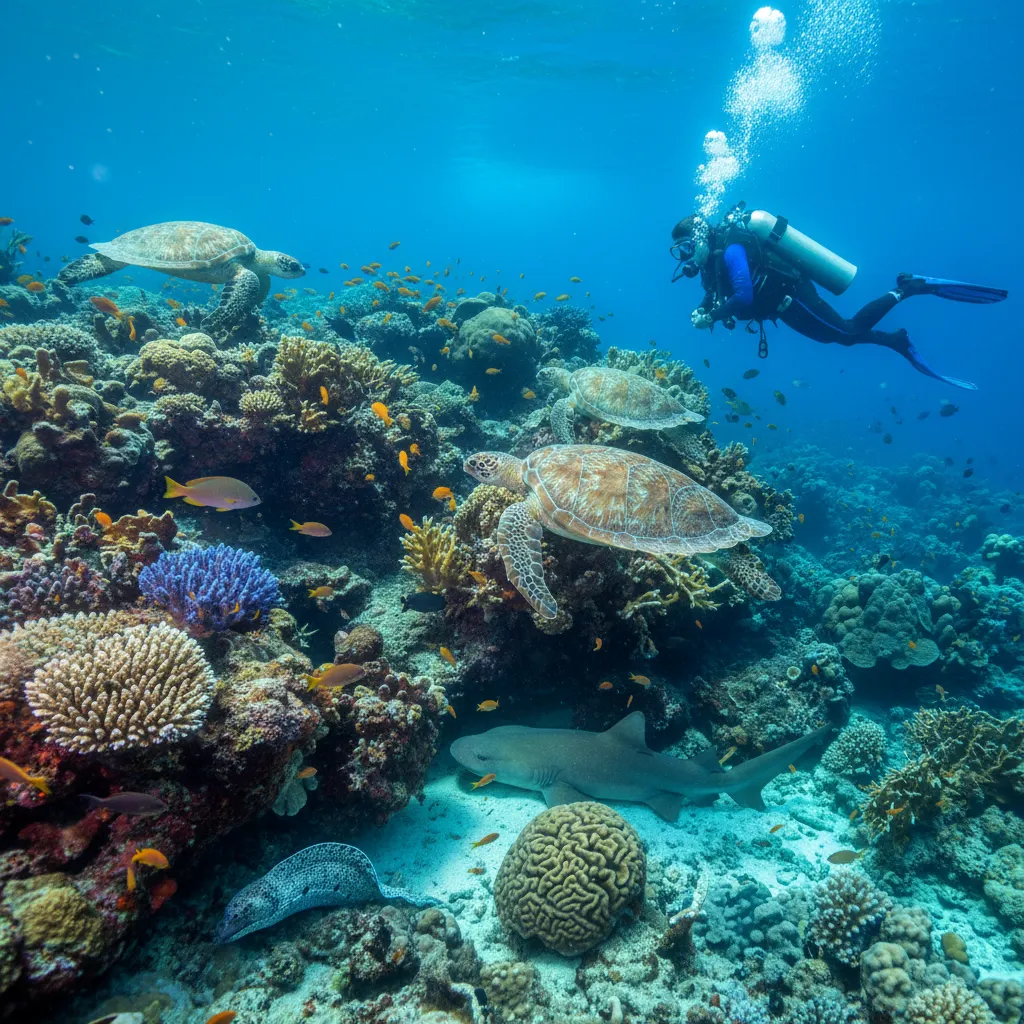
Santiago is a bit different from the other Cape Verde islands, certainly worth a few days if you’re looking for something beyond just the resort scene. We found the diving here to be more about the geology and the pelagics that cruise by than a riot of colour. You’ll spend time exploring volcanic rock formations, with deep crevices and swim-throughs, which makes for some dramatic topography. Our favourite dives were definitely the wrecks - they’re fairly accessible for beginners, and the resident schools of white seabream and butterfish give them a lively feel. We’ve also had incredible encounters with oceanic mantas here, especially in late summer, which is always a treat. Visibility can vary, particularly after a strong current, but when it’s good, the sheer scale of the underwater landscape is impressive. Keep an eye out for loggerhead turtles - they’re regulars here. You might also spot an African forktail snapper or a bigeye tuna darting past in the blue. The currents can be noticeable, so it’s worth checking conditions with the local dive centre before you head out. This isn’t a place for macro enthusiasts, but if you appreciate robust underwater architecture and the chance of big animal encounters, Santiago delivers.
Santo Antão
Santo Antão isn't the first island people think of for diving in Cape Verde, but it absolutely should be on your radar. We love it for the sheer drama of the underwater topography, mirroring the island’s mountainous landscape above. It's all dramatic drop-offs, deep caves, and pinnacles that just beg to be explored. The nutrient-rich waters here are a magnet for bigger stuff. We’ve had incredible encounters with Blainville's Beaked Whales, a truly humbling experience to be in the water with something so immense and graceful. The schools of Jacks can be overwhelming, a shimmering wall of silver that makes you feel tiny. For macro fans, keep an eye out for the Bristlemouth and the surprisingly colourful Molly Miller blenny tucked into crevices. The wreck dives are atmospheric, often with a slight current, adding to the thrill. Visibility generally holds up well, but those strong currents mean it's not always a cruise. You'll work for your dives here, but the rewards are always worth it. Try to time your dives for slack tide on some of the deeper sites.
Ocean Wildlife in Cape Verde
64 species recorded in Cape Verde
Cape Verde Visa Requirements
Check if you need a visa to dive in Cape Verde
Plan & book
Ways to dive Cape Verde, from day trips to liveaboards.
Day trips & courses
via GetYourGuideGuided dives, courses and snorkel trips with instant booking.
Find dive trips in Cape VerdePlaces to stay
via Booking.comHotels and dive resorts near Cape Verde.
Search stays in Cape VerdeDive insurance
Most travel insurance excludes or limits scuba. Check what you need before you go.
Dive insurance explainedPartner links: we may earn a commission if you book, at no extra cost to you. How we make money