Diving in Santo Antão
Why dive here
Santo Antão offers 45 dive sites in Cape Verde.
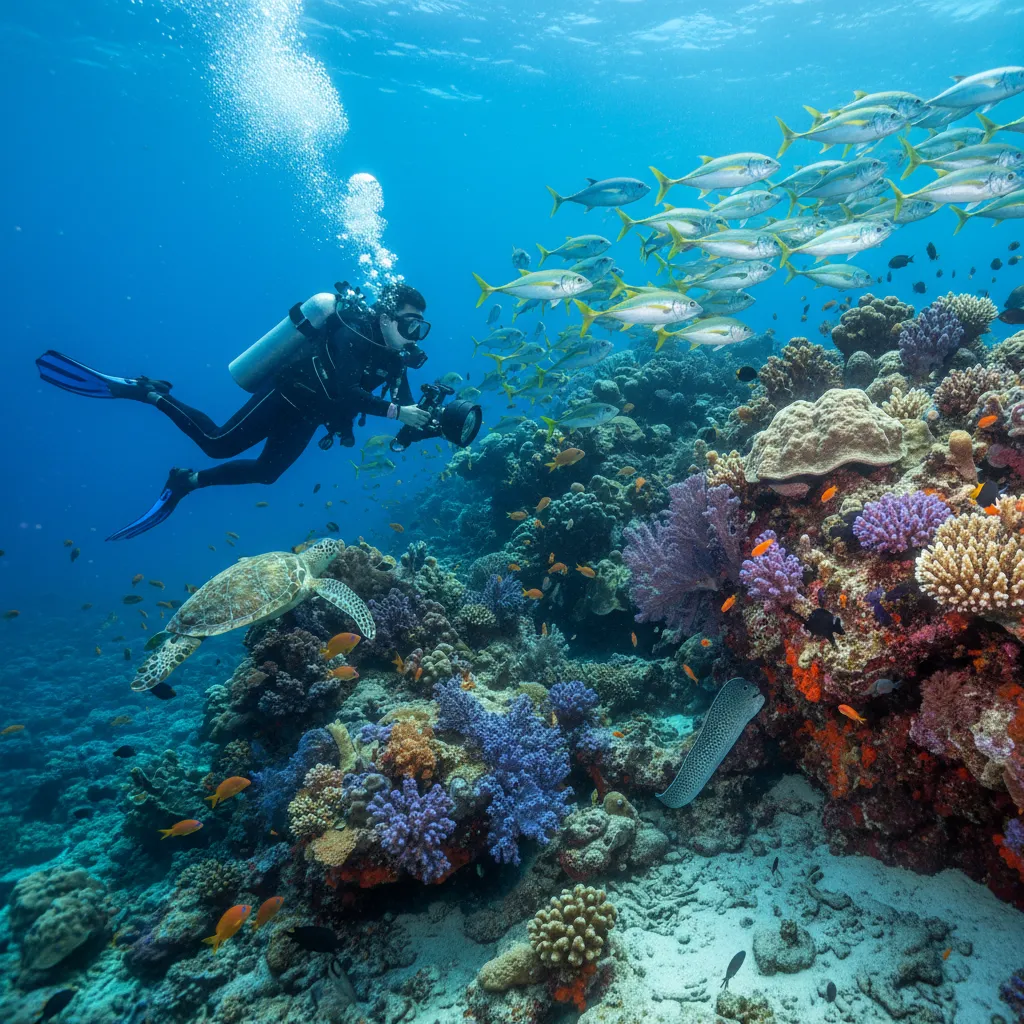
Santo Antão isn't the first island people think of for diving in Cape Verde, but it absolutely should be on your radar. We love it for the sheer drama of the underwater topography, mirroring the island’s mountainous landscape above. It's all dramatic drop-offs, deep caves, and pinnacles that just beg to be explored. The nutrient-rich waters here are a magnet for bigger stuff. We’ve had incredible encounters with Blainville's Beaked Whales, a truly humbling experience to be in the water with something so immense and graceful. The schools of Jacks can be overwhelming, a shimmering wall of silver that makes you feel tiny. For macro fans, keep an eye out for the Bristlemouth and the surprisingly colourful Molly Miller blenny tucked into crevices. The wreck dives are atmospheric, often with a slight current, adding to the thrill. Visibility generally holds up well, but those strong currents mean it's not always a cruise. You'll work for your dives here, but the rewards are always worth it. Try to time your dives for slack tide on some of the deeper sites.
Santo Antão Dive Site Map
Dive sites and dive centres in Santo Antão
Santo Antão Dive Sites
45 dive sites in Santo Antão
ACARY
Acary, off Santo Antão, presents a unique shallow wreck experience. This former steamship, torpedoed in 1917, now rests at a maximum depth of 6 metres. We find its shallow position makes it fantastic for extended bottom times and photography, though it’s also classified as a dangerous wreck, so we keep a respectful distance from any unstable sections. You’ll weave around massive sections of rusted hull, colonised by damselfish and the occasional inquisitive moray eel. It’s an easy dive, ideal for those looking to explore history without deep decompression limits.
Aquário
Aquário in Santo Antão is a solid choice for newer divers looking for a straightforward dive. It’s a flat, sandy bottom, maxing out at 19 metres, which makes it an easy run. You’ll spot a variety of smaller reef fish here, and sometimes we’ve seen rays cruising by. It’s a gentle introduction to diving in Cape Verde, no major currents to worry about.
Arenas
Arenas sits shallow, just 14 metres, making it a good spot if you’re newer to diving or want a relaxed second dive. We’ve found a mix of reef fish here – parrotfish, wrasse, the usual suspects – keeping the sandy bottom and the occasional rock interesting. Visibility is typically decent, so it’s easy to explore without feeling rushed. It's a calm site for getting comfortable in the water.
Atlantis Palace
Atlantis Palace, off Santo Antão, is an easy dive to 20m. It's a relaxed spot, good for those just getting comfortable with their buoyancy. You'll find a mix of rock formations and a few scattered corals, usually home to schooling small fish and the occasional moray eel peeking from a crevice. We'd suggest it for an introductory dive or a calm afternoon out.
Cabnav (Muck Dive)
Cabnav is Santo Antão’s dedicated muck dive, sitting at a consistent 11 metres. It’s mostly sand and rubble, the kind of place where we slow down and look for the small stuff. Expect to find pipefish, various nudibranchs, and often juvenile drum fish hiding in the debris. A good spot for patient macro photographers and those who enjoy a deliberate search.
Canjana
Canjana on Santo Antão is a mellow, shallow dive, rarely exceeding 17 meters. It's a solid choice for beginners looking to get comfortable, or for anyone wanting a relaxed second dive. You’ll typically drift past volcanic rock formations, keeping an eye out for schooling reef fish and the occasional moray eel peeking from crevices. It’s a good spot to just settle in and enjoy the quiet.
CASABLANCA
Casablanca isn't just a dive; it’s a trip back in time, and easily our favourite wreck in Santo Antão. We love how this 68-meter motor vessel, resting upright since 1966, has become an apartment block for marine life. Descending, you feel the sheer scale of it, and the way the light plays on the hull, now draped in soft corals, is beautiful. You can explore the superstructure, pushing through schools of barracuda that swirl around the mast, and peer into cargo holds where big groupers often lurk. It’s an ideal dive for wreck enthusiasts who appreciate a bit of history alongside their fish, offering a good balance of open spaces and tighter swim-throughs without being overly challenging. The bow section is particularly intact, a great spot to pause and just watch the traffic of parrotfish and angelfish weaving through the corroded metal.
Central Station
Central Station off Santo Antão offers a relaxed dive, maxing out at 19 metres. It's an easy drift along a gently sloping reef, perfect for newer divers looking to get comfortable. Keep an eye out for moray eels tucked into the rocks and schools of schooling fish passing through. It’s a good spot for a chill afternoon dive.
Christine Plateaux
The Christine Plateaux site off Santo Antão is a good spot to get your fins wet, particularly if you’re just starting out or haven't dived in a while. The reef sits around 15 metres, making it a comfortable depth for extended bottom time and leisurely exploration. We find it’s a gentle introduction to Cape Verdean diving, with a decent display of schooling reef fish darting around the corals. It's a relaxed dive, good for photographers wanting to practice or anyone keen on a calm, easy trip underwater.
Cubos
Cubos, off Santo Antão, offers a straightforward dive to 20m. It’s a good spot for newer divers to get comfortable with the local conditions. Expect to see some of the usual reef fish and perhaps the occasional stingray cruising the sand. The visibility is generally decent, making for a relaxed exploration.
Dive Tribe
Dive Tribe, off Santo Antão, offers a straightforward dive, often a good first splash if you’re getting your fins wet in Cape Verde. We’ve found the site pretty reliable for spotting small reef fish – think groups of puntazzo and bogue darting around. Keep an eye on the bottom for diamond lizardfish camouflaged against the sand and rock-pool blennies poking their heads out. It’s a pleasant, easy dive, not overly dramatic, but solid for a relaxed afternoon exploring the shallows. We'd suggest it for divers looking for a mellow pace and an introduction to the local Cape Verdean species.
DJARFOGO
We love Djarfogo. This wreck off Santo Antão isn't just a sunken ship; it’s a time capsule. Dropping down, you feel the history. The Djarfogo, a 36.6-meter motor vessel, went down in heavy weather back in 1993. Now, she rests upright at 30 meters, a proper, substantial wreck that really gives you something to explore. Her bridge is still intact, and we love poking around there, imagining the final moments. The cargo hold is open, a gaping maw where light filters in, revealing schools of glassy sweepers darting through the shadows. The coral growth is fantastic – huge gorgonian fans sway in the gentle current, and the hull is covered in sponges and anemones. Look for moray eels peering from crevices and big groupers lurking in the darker corners. Visibility here can vary, but on a good day, it stretches to 20 meters, making the whole wreck visible as you descend. It’s a dive for those who appreciate wrecks with a story and enough structure to warrant a good 40-minute bottom time. Not for beginners, mind you, but any experienced wreck enthusiast will find it a rewarding dive. We’d suggest going in the morning; the light penetration into the holds is just magical then.
Show all 45 dive sites in Santo Antão
- Éder Márcio Leite Pereira
- Eder´s Trident
- Edzina
- Fateja
- Furna de Rosa
- GUAHYBA
- GUAHYBA
- Hanging Garden, Kap Verde
- Jardim das Gorgónias
- KEMMEL
- Ladra Cachorro
- Les grottes
- MARCAR
- Molhe de. Fora
- Morro Branco
- Navio a Vapor
- Ninho de Guincho
- Parede de Bitxon
- Parede do Tarrafal
- Pináculo Tv
- Pipi da Menina
- Plateaux do Curralinho
- Ponta de Peça
- Ponta de Tubarão
- Ponta d'Tum
- Ponta Nho Jon ( Deep)
- Ponta Noh Jon
- Praia do Vulcão
- Rotxa de Ventoinha
- Sem Âncora
- Sharkys
- SS Marcar
- Strap-on S80
Santo Antão Dive Centres
4 dive shops and operators in Santo Antão
Santo Antão Daylight & Sunrise/Sunset
Sunrise and sunset times for Santo Antão, calculated from coordinates
Today - Sunday 11 October
Sunrise
05:33
Sunset
17:23
Daylight
11h 51m
Golden Hour
16:55
First light (dawn) at 05:11 · Last light (dusk) at 17:45
Monthly Averages
| Month | Sunrise | Sunset | Daylight |
|---|---|---|---|
| Jan | 06:13 | 17:26 | 11h 13m |
| Feb | 06:08 | 17:43 | 11h 35m |
| Mar | 05:50 | 17:51 | 12h 1m |
| Apr | 05:26 | 17:56 | 12h 30m |
| May | 05:10 | 18:05 | 12h 55m |
| JunLongest | 05:08 | 18:15 | 13h 8m |
| Jul | 05:15 | 18:18 | 13h 3m |
| Aug | 05:24 | 18:08 | 12h 43m |
| Sep | 05:29 | 17:45 | 12h 15m |
| OctNow | 05:33 | 17:21 | 11h 47m |
| Nov | 05:45 | 17:06 | 11h 21m |
| DecShortest | 06:02 | 17:10 | 11h 8m |
Times are approximate local times based on longitude. Actual times may vary slightly depending on the exact timezone observed in Santo Antão.
Where to Stay near Santo Antão
Prices from Booking.com. We may earn a commission at no extra cost to you.
Marine Protected Areas near Santo Antão
3 protected areas near Santo Antão - please respect local regulations when diving
Reserva Natural de Santa Luzia
Parque Natural de Cruzinha
Reserva Natural Integral Ilhéus Branco e Raso
Getting to Santo Antão
São Pedro
Espargos
Rabil
Plan & book
Ways to dive Santo Antão, from day trips to liveaboards.
Day trips & courses
via GetYourGuideGuided dives, courses and snorkel trips with instant booking.
Find dive trips in Santo AntãoPlaces to stay
via Booking.comHotels and dive resorts near Santo Antão.
Search stays in Santo AntãoDive insurance
Most travel insurance excludes or limits scuba. Check what you need before you go.
Dive insurance explainedPartner links: we may earn a commission if you book, at no extra cost to you. How we make money