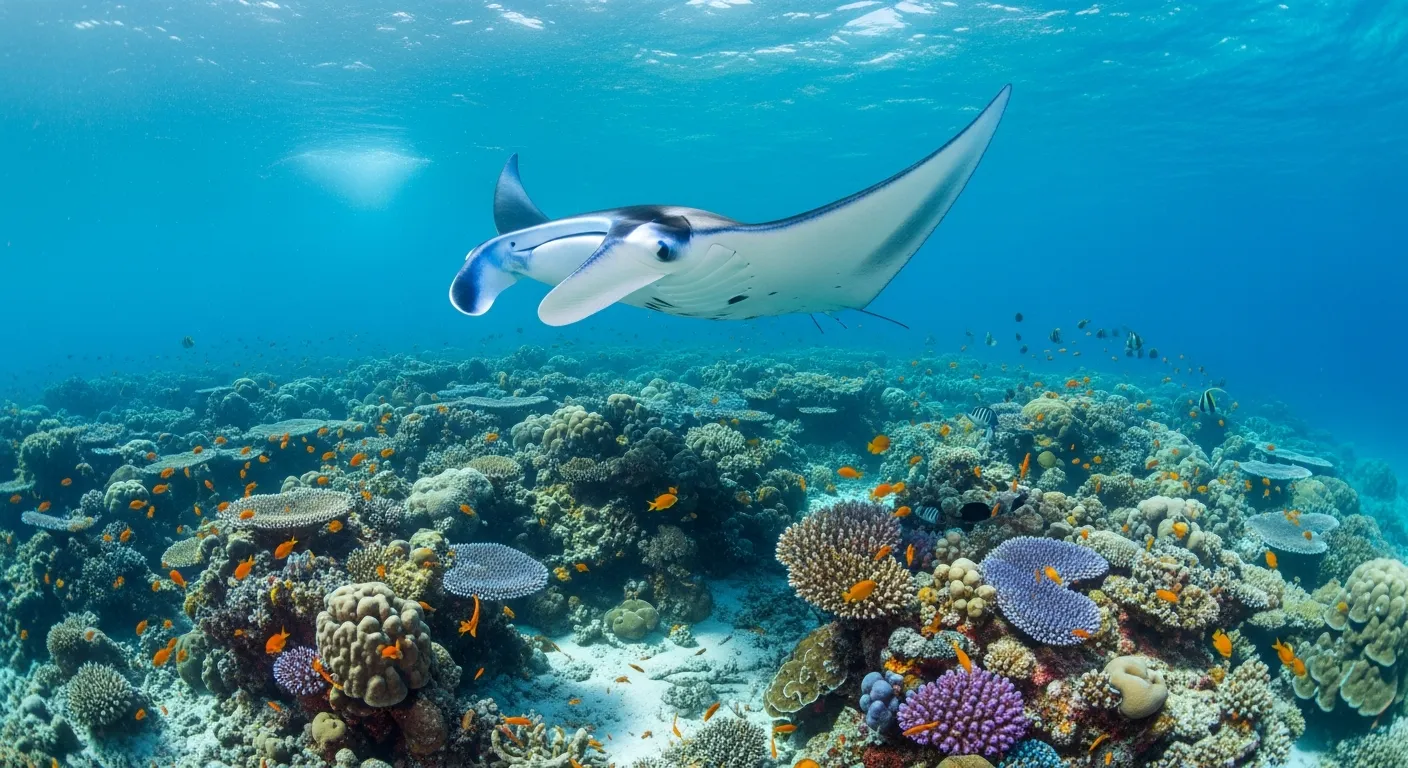
Indian Ocean & East Africa
The Indian Ocean region spans from the Maldives' pristine atolls to the whale shark encounters off Mozambique. Madagascar's unique marine ecosystems, the Seychelles' granite formations, and Tanzania's untouched reefs make this a bucket-list destination for serious divers.
Countries & Territories
Explore diving destinations in Indian Ocean & East Africa

Cape Verde
Cape Verde, sitting out in the Atlantic, feels a little different from your usual tropical dive spot. Here, it’s not just about the corals, though there are some interesting hard corals. What really gets us excited are the pelagics and those dramatic volcanic landscapes. We’ve had incredible encounters with whale sharks and manta rays here, especially around the nutrient-rich upwellings that bring in all the bigger stuff. Boa Vista and Sal are your go-to islands for established dive operations and a good variety of sites, from wrecks to lava formations. We’ve found the best visibility and conditions generally run from May to October, but you can dive year-round. Expect to see schools of blue runners, the occasional swordfish streaking by, and those curious Bastard soldierfish peeking from crevices. Exploring the underwater caves and swim-throughs formed by ancient lava flows is a highlight, a really unique sensation you don’t get everywhere.

Comoros
Comoros, way out in the Indian Ocean, feels like the edge of the map, and that’s precisely its draw for divers. We're talking proper expedition diving here, where you’re more likely to be sharing the water with a pod of dolphins than another dive boat. Moheli, in particular, is where we head for a real adventure, with its dramatic volcanic drop-offs and the chance of spotting a coelacanth, though those are deep and rare. What truly sets Comoros apart is the sense of discovery, the reefs are in incredible shape, full of staghorn and honeycomb corals, and the sheer number of blennies and triplefins darting about keeps things interesting. Head there between July and November for the best shot at calm seas and those legendary whale encounters.

India
India might not be the first place that springs to mind for a dive trip, but we think that’s part of its charm. The real action, and what truly makes India special for divers, lies in its island territories: the Andamans and Lakshadweep. The Andaman Sea, in particular, delivers that raw, adventurous feeling with its volcanic landscapes, deep drops, and a genuine chance to explore sites few others have seen. We've encountered manta rays cruising at Dixon's Pinnacle and the sheer abundance of schooling fish is something else entirely. Beyond the islands, emerging spots off the Goa and Karnataka coasts are worth a look if you're already in the area, often revealing macro life and interesting wrecks. Aim for October to May for the calmest seas and best visibility across the board.

Kenya
Kenya often gets overlooked for its safari, but the diving along its Indian Ocean coast is genuinely worth a look. We’ve found the reefs here to be surprisingly healthy, particularly within the protected marine parks around Watamu and Diani Beach. Think big schools of fusiliers, the flash of parrotfish, and a good chance of spotting something larger cruising past, like a whale shark if you’re there between October and March. Dive sites like the Canyon at Watamu offer dramatic topography, while the fringing reefs off Diani are perfect for slow drifts among the hard corals. It’s a solid choice for combining a land-based adventure with some quality time underwater.
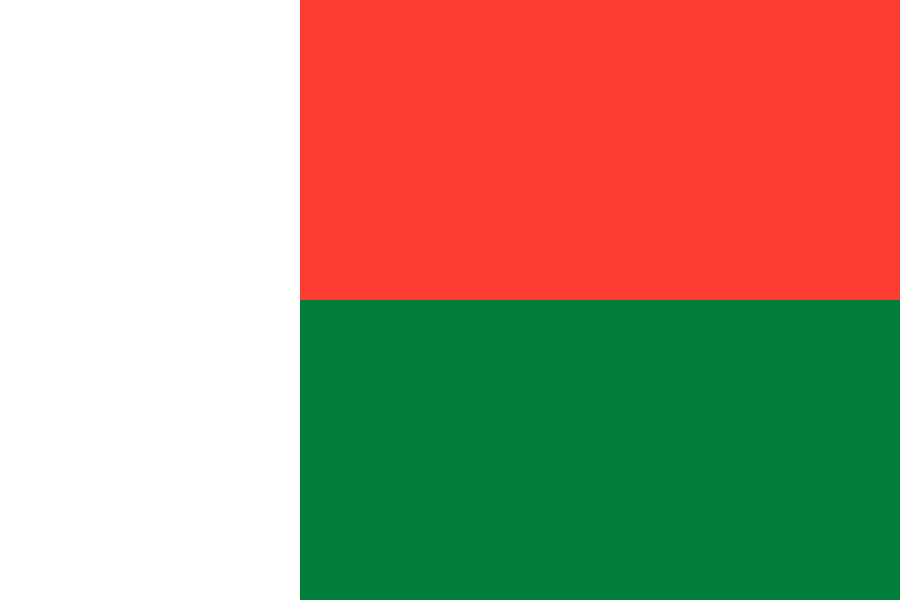
Madagascar
Madagascar diving, for us, is about embracing the wild, untamed side of the Indian Ocean. It's not always easy, but the rewards are genuinely unique. Think Nosy Be and its archipelago for those iconic whale shark encounters and some seriously healthy soft corals, especially around Nosy Mitsio if you can make the trip. Further south, the Radama Islands and even Île Sainte-Marie offer a different vibe altogether, more remote and often with bigger pelagics passing through. We'd suggest aiming for October to December; the water is warm, and the whale sharks are usually in residence, making for some truly memorable dives amongst a marine ecosystem unlike anywhere else.
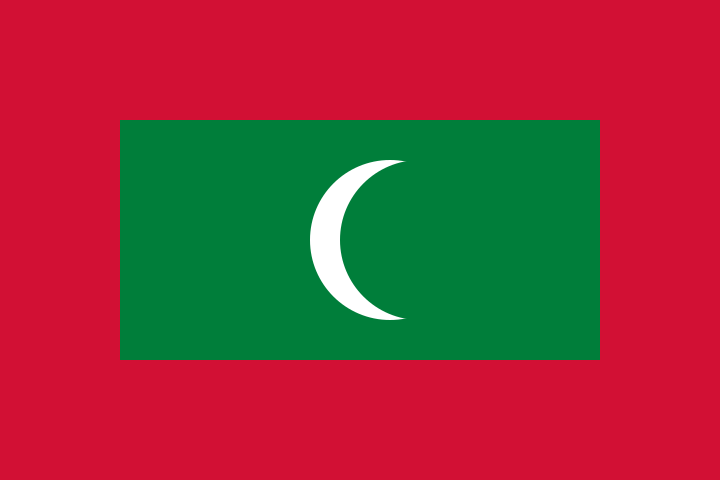
Maldives
Maldives is a place we keep coming back to, mainly for the sheer predictability of big animal encounters. You’ve got the channel dives in South Malé and Vaavu Atolls, where the currents really rip, bringing in grey reef sharks, eagle rays, and schooling snappers. For mantas, Hanifaru Bay in Baa Atoll is legendary, especially during the southwest monsoon, roughly May to November. It gets busy, but seeing dozens of mantas filter feeding in a single spot is something else. Then there’s South Ari Atoll for whale sharks, often found cruising the outer reefs year-round. We’ve found the mornings tend to be less crowded if you can manage an early start. Visibility is generally excellent, often 20-30 meters, though those monsoon months can stir things up a bit. The sheer number of thilas and giris means you could spend a lifetime exploring and still find new corners. It's a proper liveaboard destination, allowing you to hit multiple atolls and really maximize your chances with the pelagics.

Mauritius
Mauritius in the Indian Ocean provides a solid dive holiday, though it’s not always the first place that springs to mind for us. The West Coast, particularly around Flic en Flac, is where most of the action is. You'll find a mix of volcanic topography and reef dives, with The Cathedral cavern being a definite highlight - the light rays streaming in are quite special in the mornings. For something a bit different, we'd suggest considering Rodrigues Island; it’s a quieter, more remote experience with some lovely drift dives and healthier corals. Visibility is generally good year-round, but April to June or September to December tends to offer calmer seas, making boat rides more pleasant. Keep an eye out for those big humphead wrasse and the abundant fusiliers.

Mayotte
Mayotte? Picture a gigantic bathtub, filled with warm, clear water, tucked inside a double barrier reef. That’s essentially the Mayotte Lagoon. With just a couple of dive centres servicing 37 sites, you’re looking at some seriously uncrowded diving, which we always appreciate. We found the best diving concentrated within the lagoon, particularly along the outer barrier reef where the big stuff hangs out. Head there between May and October for the calmest conditions and the clearest water; it’s also when humpbacks drop by to say hello. Keep an eye out for those giant long-finned eels peeking from crevices, and the sheer number of fusiliers can be a bit overwhelming, in the best possible way. The healthy hard corals, especially those massive pagoda corals, really make the shallower dives memorable. It's a place to feel a bit like an explorer.
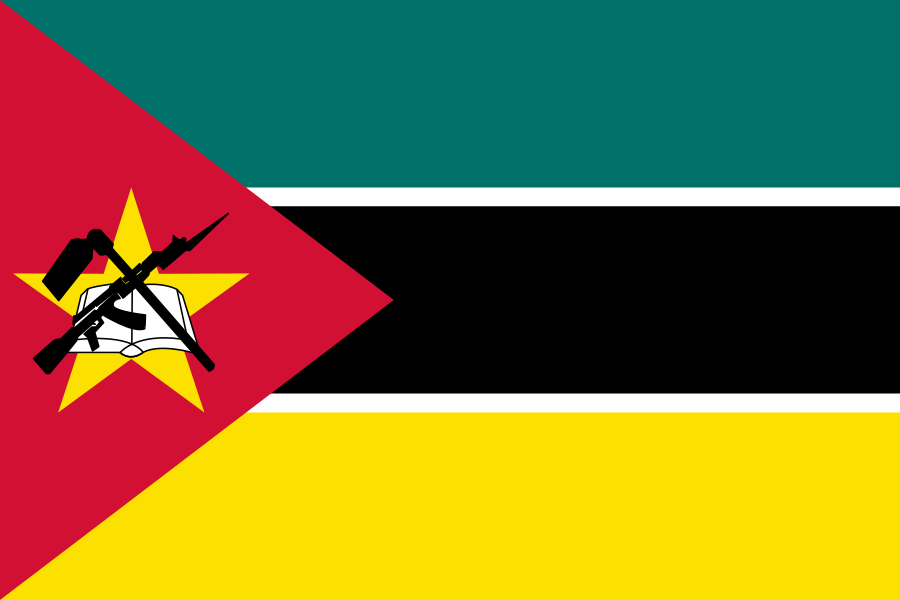
Mozambique
Mozambique throws up some proper surprises once you get in the water. We’ve found ourselves finning alongside whale sharks off Tofo more times than we can count, especially from October to March when they seem to cruise by with regularity. That whole Inhambane province, Tofo specifically, also reliably delivers manta rays gliding over cleaning stations. Further north, the Bazaruto Archipelago keeps things interesting with its robust reef systems and a good chance of spotting dugongs, though the Quirimbas Archipelago takes a bit more effort to reach. Expect strong currents in places and visibility that can drop after heavy rains, but the reward is often big pelagics and lively, relatively untouched coral. For us, Mozambique’s allure isn’t just the big stuff, it’s the sheer wildness of the place.

Réunion
Réunion offers a different flavor of Indian Ocean diving, a place where dramatic volcanic topography meets vibrant reef life. Forget broad, flat reefs; here, we’re talking about lava tubes, archways, and sheer walls carved by ancient flows, especially around Saint-Gilles on the west coast. The L'Hermitage marine reserve keeps things lively with a good mix of species, from curious clown tangs darting through staghorn coral to the occasional ghost pipefish if you’ve got a sharp spotter. We particularly love the feeling of exploring those dark, moody swim-throughs before emerging into sunlit schools of bannerfish. Summer, from November to April, typically brings the calmest conditions, making those trickier entries a bit more forgiving. If you're looking for something beyond the usual postcard dive, Réunion delivers a truly unique underwater landscape.

São Tomé & Príncipe
Stepping onto São Tomé & Príncipe, you feel like you’ve found the edge of the diving map. This isn’t a place with a dozen dive centres and slick operations; it’s raw, real, and feels genuinely unexplored. We’re talking about a couple of spots, one on São Tomé and one on Príncipe, where you’ll dive volcanic architecture rather than sprawling coral fields. The draw here is the sheer sense of discovery, the pelagics that cruise by - we’ve seen African forktail snapper and great barracuda in numbers, and the occasional leatherback sea turtle glides past. Go between July and October for the calmest seas. Our pick is the drift dives around Príncipe, where the currents really bring the bigger fish to you. It’s not for everyone, but if you love pioneering a destination, this is it.

Senegal
Senegal might not be the first place that comes to mind for a dive trip, but we think that’s part of its charm. The cold Canary Current sweeping down from the north mixes with warmer tropical flows here, creating a unique environment. You get species from both worlds, which is pretty cool. We’d suggest focusing on the Dakar peninsula, where you'll find a surprising number of wrecks and artificial reefs, often attracting big schools of barracuda and jacks. Keep an eye out for green turtles and manta rays gliding past. For something a little different, the chance of spotting a whale shark from August to November is a real draw, though it’s never guaranteed. If you’re looking for a pioneering dive experience in West Africa, Senegal certainly delivers.
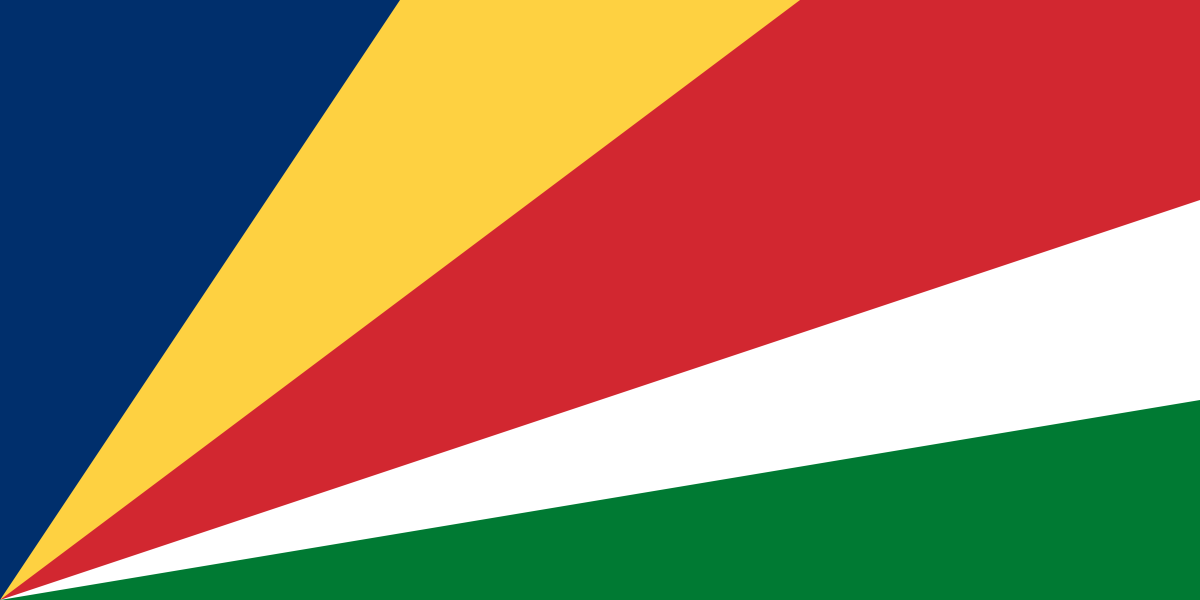
Seychelles
Seychelles gives you a really distinct feel, largely because of those enormous granite boulders scattered both above and below the surface. We love the Inner Islands for their easy-to-reach reefs, where you often find nurse sharks napping under ledges and schools of fusiliers swirling around the coral heads. For something truly special, you’ve got to consider the Outer Islands, particularly the UNESCO-protected Aldabra Atoll; it’s a proper wilderness dive, offering encounters with big pelagics and a sense of remoteness few places can match. Visibility is generally excellent year-round, but April to May and October to November avoid the stronger winds. If you're looking for unique underwater topography alongside some impressive marine life, Seychelles should definitely be on your radar.

South Africa
South Africa isn’t your typical warm-water reef destination, and that’s precisely why we love it. This is big animal territory, where the ocean feels raw and alive, pulling divers in with the sheer force of its wildness. You’ve got two main plays here: the chilly, kelp-strewn waters of the Western Cape for those iconic seven-gill cow sharks and seal colonies, or the warmer Indian Ocean currents off KwaZulu-Natal for serious shark action. If you’re coming for the big stuff, the Aliwal Shoal and Protea Banks are where you’ll spend your time, delivering regular encounters with tiger sharks, bull sharks, and hammerheads. And then there’s the Sardine Run, an absolute sensory overload that every diver should try to witness at least once - though be ready for unpredictable conditions and early mornings. We’d suggest aiming for their winter months, roughly June to October, for the best chances with the migratory species. Just be prepared for strong currents and variable visibility; this isn't a place for the faint of heart, but it absolutely delivers.

Sri Lanka
Sri Lanka is a fascinating island above the water, and we think its diving scene shares that same kind of character - a bit wild, a bit unpredictable, and full of surprising moments. You’re really playing a monsoon lottery here, with the diving flipping from the west and south coasts (Hikkaduwa, Kalpitiya) in our winter months to the east (Trincomalee, Batticaloa) from May to October. We often find ourselves heading east for the season, particularly to Trincomalee, where the chance of spotting a blue whale from the boat on your way to a dive is genuinely high. The reefs around Pigeon Island are fine, but it’s the wreck diving that really grabs us, especially the HMS Hermes, a destroyer that went down in World War II. It’s a proper expedition dive, but the sense of history down there, alongside the resident schooling fish, is something pretty special.

Tanzania
Tanzania offers a truly unique slice of Indian Ocean diving, especially if you’re looking for a slower pace and fewer crowds. We love how remote some of these sites feel, particularly around Mafia Island, where the seasonal whale shark aggregations are something else entirely - swimming alongside those gentle giants is a humbling experience. Zanzibar and Pemba deliver on classic reef diving with plenty of wrasse and parrotfish, but for sheer unspoiled feeling, head south to Kilwa. Visibility holds up well for most of the dry season, June to October, making it ideal for exploring the healthy cauliflower coral formations. It’s not about ticking off a list here; it’s about absorbing the quiet beauty of a less-trodden dive path.