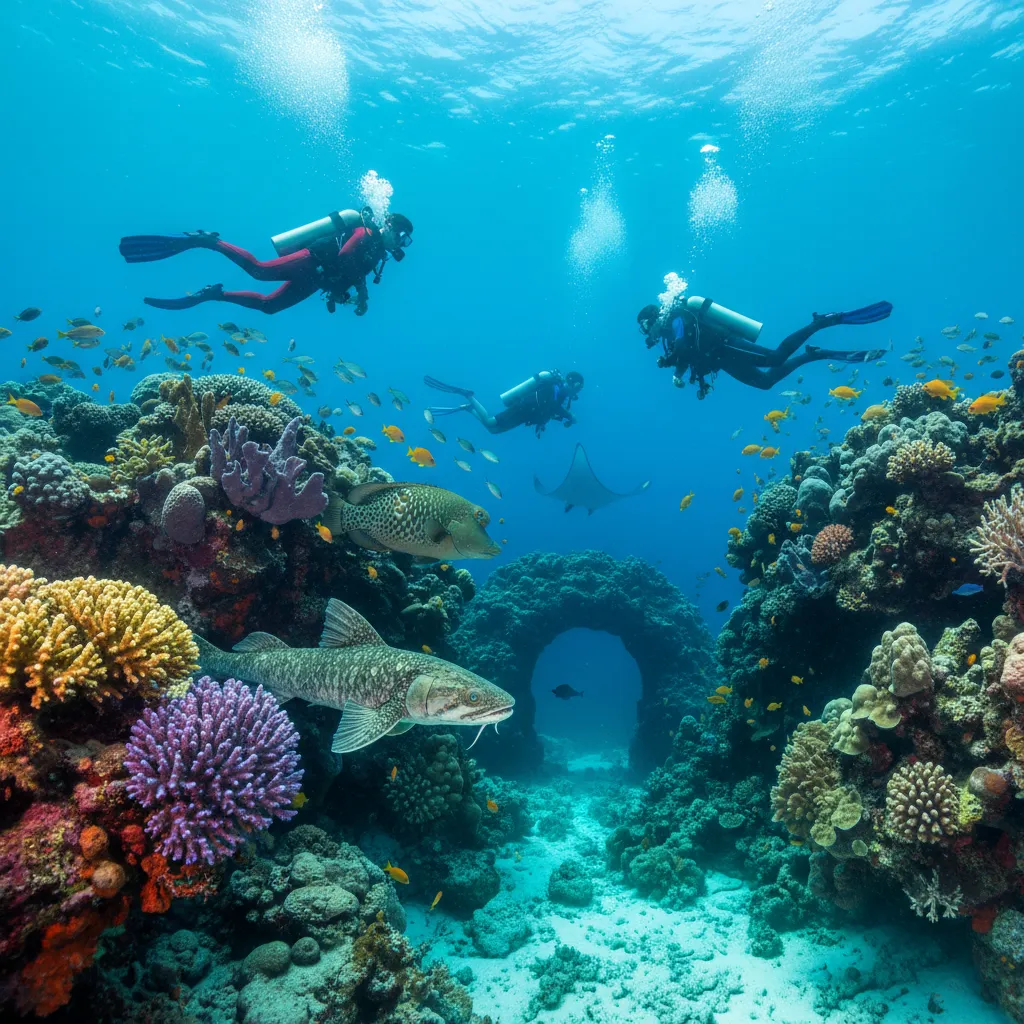

Diving in Comoros
Why dive here
Comoros offers rich diving, with 378+ marine species recorded in its waters - including barracuda, dugongs, dwarf minke whales, giant moray eels and humpback whales. Water ranges 26-30°C, warmest February, March, April.
Comoros, way out in the Indian Ocean, feels like the edge of the map, and that’s precisely its draw for divers. We're talking proper expedition diving here, where you’re more likely to be sharing the water with a pod of dolphins than another dive boat. Moheli, in particular, is where we head for a real adventure, with its dramatic volcanic drop-offs and the chance of spotting a coelacanth, though those are deep and rare. What truly sets Comoros apart is the sense of discovery, the reefs are in incredible shape, full of staghorn and honeycomb corals, and the sheer number of blennies and triplefins darting about keeps things interesting. Head there between July and November for the best shot at calm seas and those legendary whale encounters.
Comoros Dive Regions Map
Comoros Dive Regions
2 diving areas in Comoros
Grande Comore
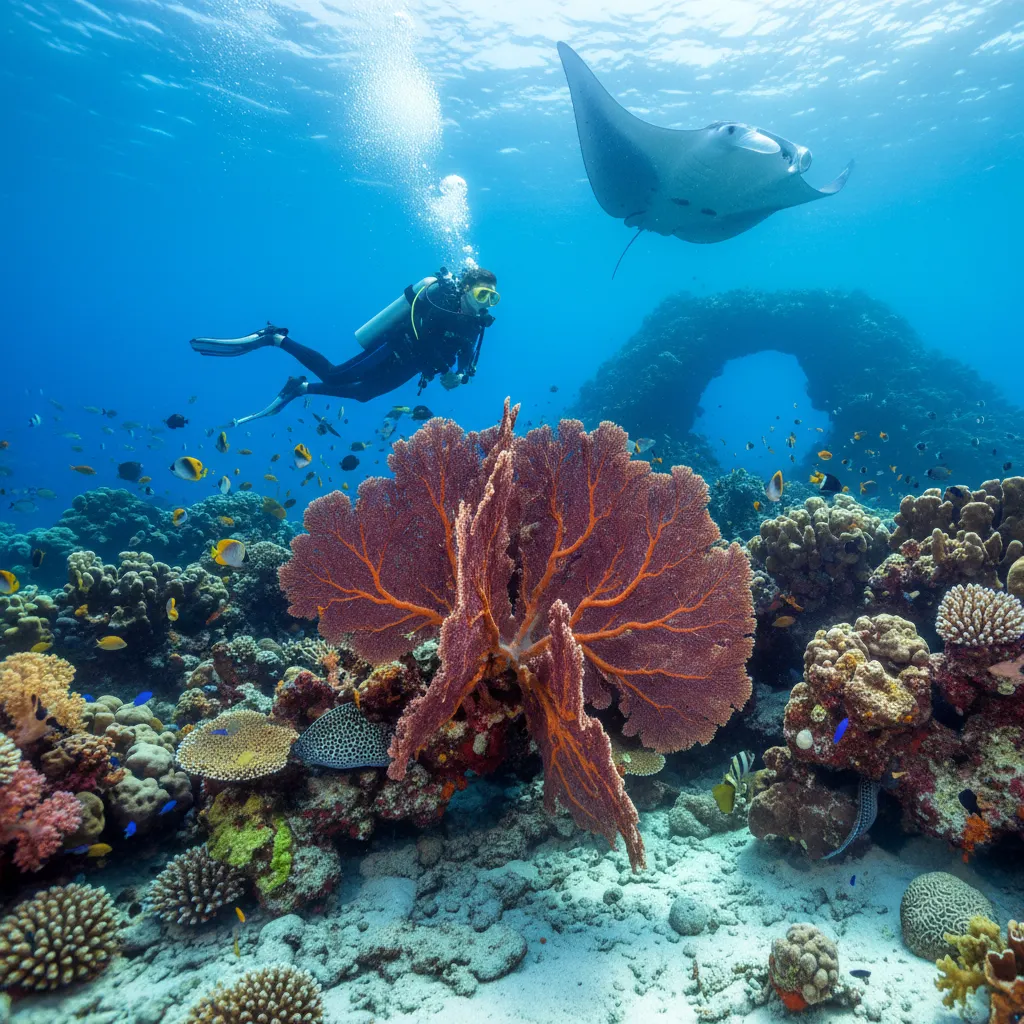
Grande Comore is an island that keeps you on your toes, a bit raw around the edges, and we love it for that. The diving here, especially around the volcanic walls, feels like exploring new territory. You're mostly looking at dramatic drop-offs and the occasional cave, all carved from ancient lava flows. We’re not going to lie, it’s not exactly teeming with dive centres, so if you're planning a trip, prepare for a bit of self-sufficiency. But for those willing to put in the effort, the rewards are there. We often find ourselves drifting past big schools of fusiliers, the light shimmering off their scales as they dart in and out of the shadows. Keep your eyes peeled for the resident Spotted Tobies, they’re always a cheerful sight, poking their heads out from the crevices. And here’s a tip: the currents can be quite frisky along the walls, so it’s not a place for a first-timer unless you're with someone who knows the local conditions intimately. Our favourite moments here are definitely during the late morning dives when the sun really lights up the reef, highlighting the greens and browns of the leaf and honeycomb corals. It’s rugged, a bit of an adventure, but genuinely rewarding.
Moheli
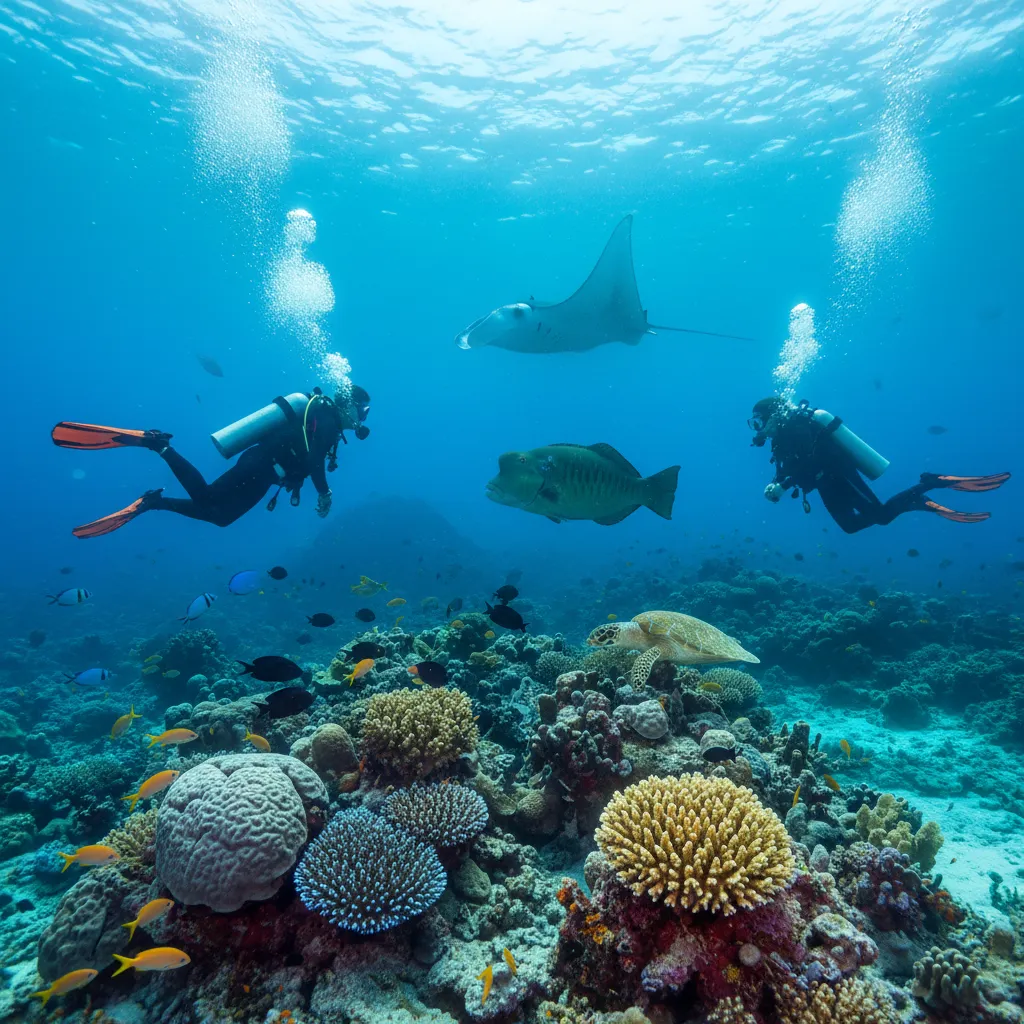
Moheli, the smallest of the Comoros islands, punches well above its weight for divers. We love its untouched feel, a genuine rarity in the Indian Ocean these days. The reefs here are healthy, thick with stony corals, and surprisingly busy with fish like big parrotfish crunching away and schools of glasseye snapper flickering in the shadows. Keep an eye out for the smaller stuff too, especially the flathead sleepers and the oddly charming blotchfin scorpionfish camouflaged against the reef. We’d suggest planning your trip for late summer to catch the humpback whales that migrate through these waters, their songs often audible even underwater. Diving here means embracing a bit of an adventure, there aren't any dive centres on the island, so it's more about arranging trips with local boat operators. Conditions are generally moderate, but an intermediate skill level helps when navigating some of the gentle currents. It’s a quiet place, meaning you’ll often have the whole reef to yourselves.
Ocean Wildlife in Comoros
378 species recorded in Comoros
Comoros Visa Requirements
Check if you need a visa to dive in Comoros
Plan & book
Ways to dive Comoros, from day trips to liveaboards.
Day trips & courses
via GetYourGuideGuided dives, courses and snorkel trips with instant booking.
Find dive trips in ComorosPlaces to stay
via Booking.comHotels and dive resorts near Comoros.
Search stays in ComorosDive insurance
Most travel insurance excludes or limits scuba. Check what you need before you go.
Dive insurance explainedPartner links: we may earn a commission if you book, at no extra cost to you. How we make money