Diving in Madagascar
Why dive here
Madagascar offers 12 dive sites across 5 diving regions. Water ranges 25-30°C, warmest January, February, March.
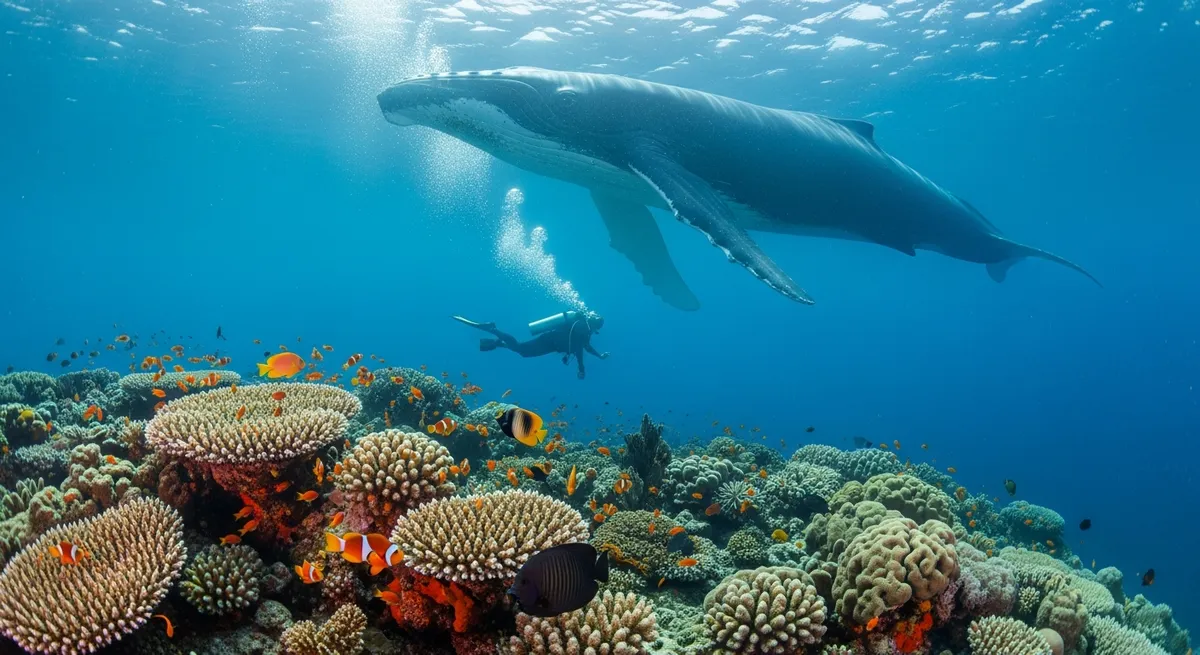
Madagascar diving, for us, is about embracing the wild, untamed side of the Indian Ocean. It's not always easy, but the rewards are genuinely unique. Think Nosy Be and its archipelago for those iconic whale shark encounters and some seriously healthy soft corals, especially around Nosy Mitsio if you can make the trip. Further south, the Radama Islands and even Île Sainte-Marie offer a different vibe altogether, more remote and often with bigger pelagics passing through. We'd suggest aiming for October to December; the water is warm, and the whale sharks are usually in residence, making for some truly memorable dives amongst a marine ecosystem unlike anywhere else.
Madagascar Dive Regions Map
Madagascar Dive Regions
5 diving areas in Madagascar
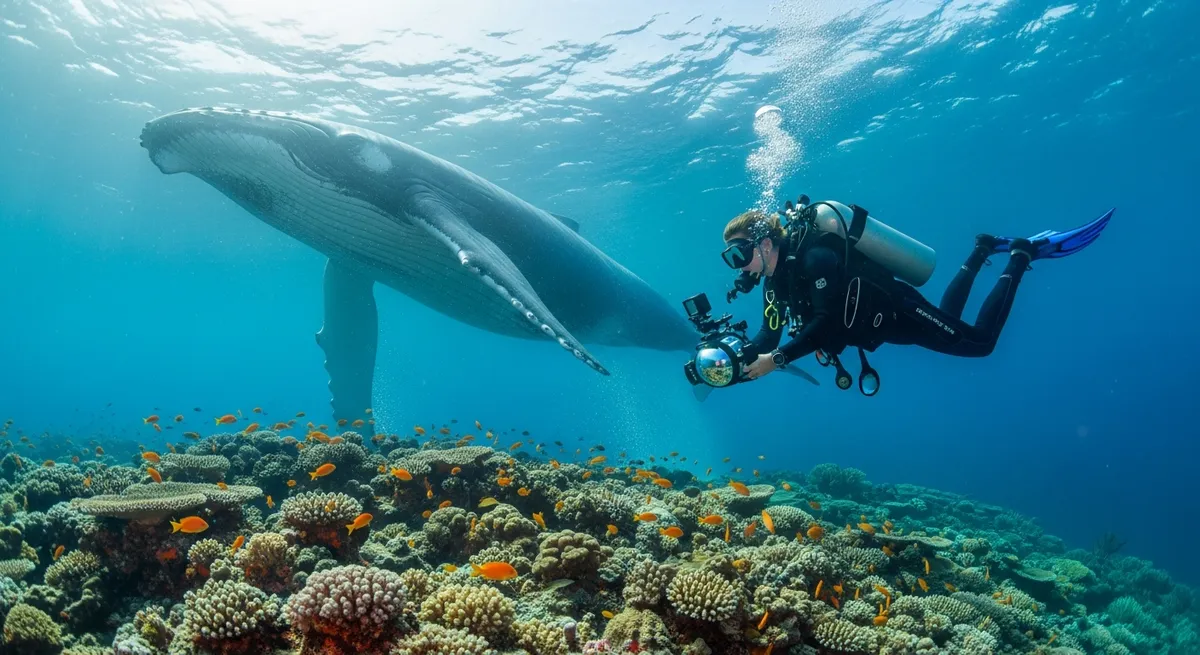
Île Sainte-Marie
Famous for humpback whale watching (July-September) with reef diving and unique marine species.
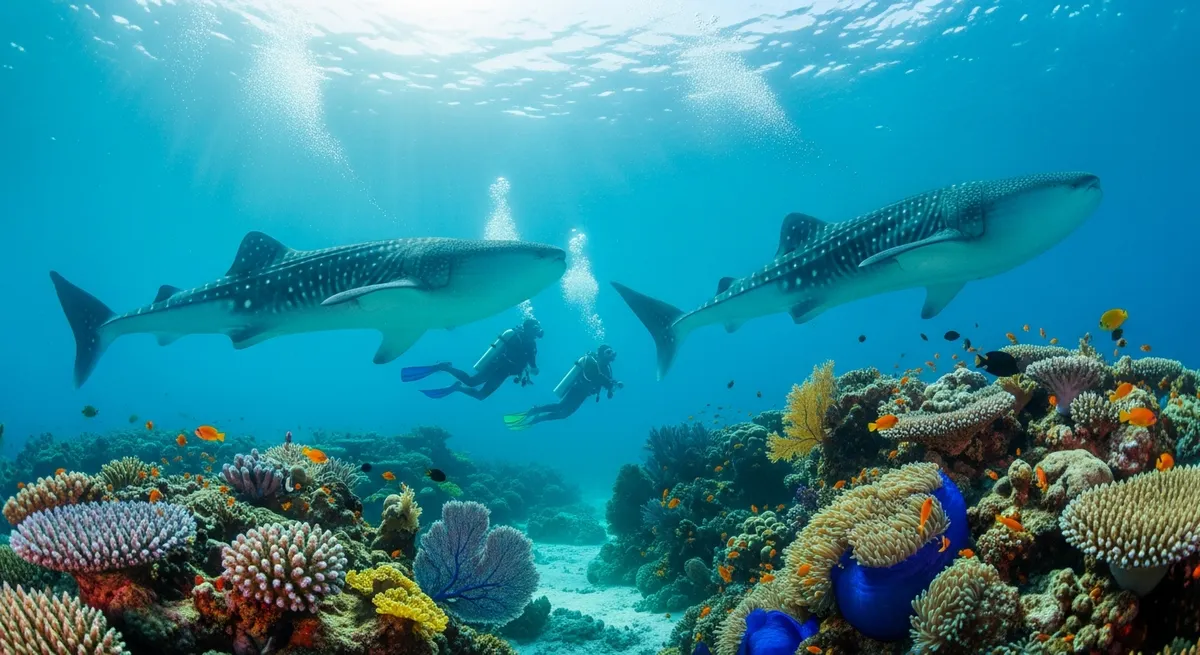
Nosy Be
Nosy Be sits as Madagascar's most developed dive spot, and for good reason. We’ve found the reefs here offer a solid mix of wall and fringing reef dives, with a handful of wrecks thrown in for good measure. Keep your eyes peeled for those local specialties like the Carnelian Cowry, often tucked away in crevices, or the Madagascar Sea Catfish, a real treat to spot. Seasonal whale shark encounters are a big draw, typically from October through December, making those months a lively time to visit. While currents can pick up, most sites are manageable, giving you plenty of time to explore.
Nosy Iranja & Radama Islands
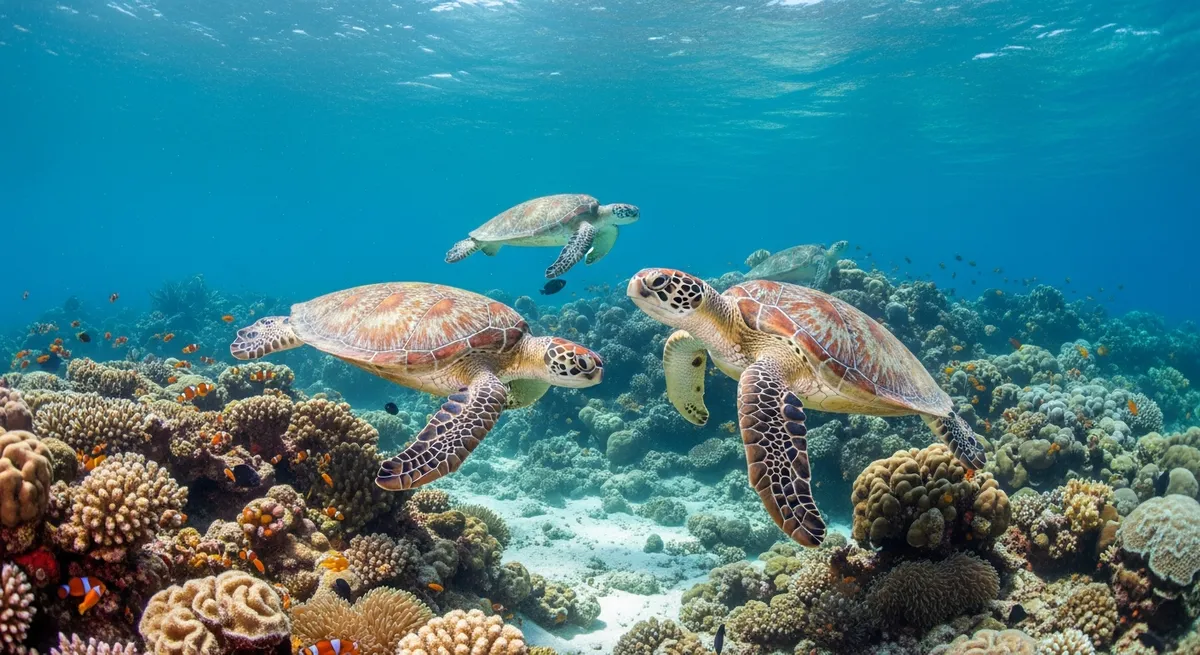
Nosy Iranja and the Radama Islands are a different beast, a slice of Madagascar that still feels untouched. We love how relatively few divers make it here, which means the reefs are in genuinely fantastic shape. Expect drift dives that carry you past walls of staghorn coral, where schools of Ternate chromis shimmer like scattered jewels. Our favourite spots often reveal giant honeycomb groupers lurking in the shadows, and we’ve had some cracking encounters with longfin trevally hunting fusiliers. The currents can be playful, nothing too wild, but enough to keep things interesting and bring in the bigger stuff. For a true highlight, watch for spotted tobies darting around the coral heads, and if you're lucky, you might spot an ornate pitar venus half-buried in the sand. When the tide is low, we always make time to walk the sandbar between Nosy Iranja Be and Nosy Iranja Kely - it’s a stunning end to a day of diving.
Nosy Mitsio
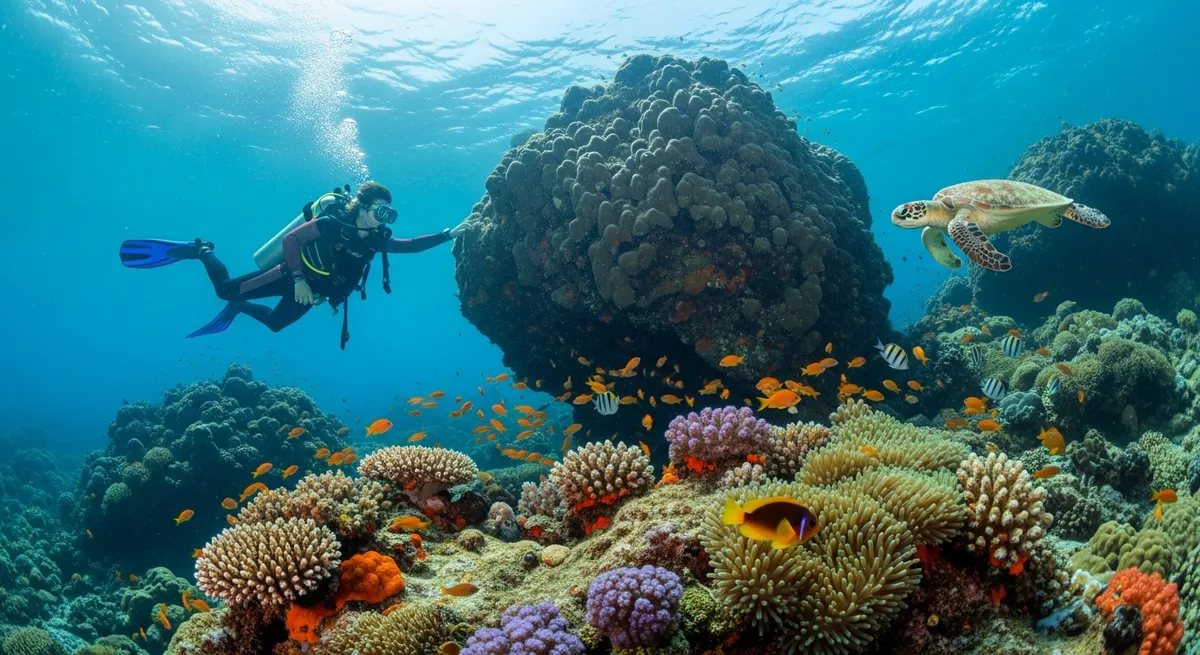
Nosy Mitsio is where we go when we really want to switch off. It's a proper boat charter destination, no quick shore dives here, and that isolation is exactly the appeal. We love the dramatic basalt formations above the water and the sheer variety of habitats below - from thriving staghorn coral gardens to deeper reef walls. Currents can pick up around the outer islands, but that’s often when the big stuff cruises past. Think flashes of mahi-mahi in the blue, and schools of blotched grunt holding formation in the lee of the reef. We’ve had incredible encounters with humphead unicornfish here, too, seemingly unafraid and curious. If you can, hit the water early, before the sun gets too high - the light reflecting off the sandy patches always feels special. Don't expect many dive centres; this is more about the liveaboard experience, giving you the freedom to explore at your own pace. It’s a wilder side of Madagascar, and that's precisely why it's one of our favourites.
Tuléar & the South
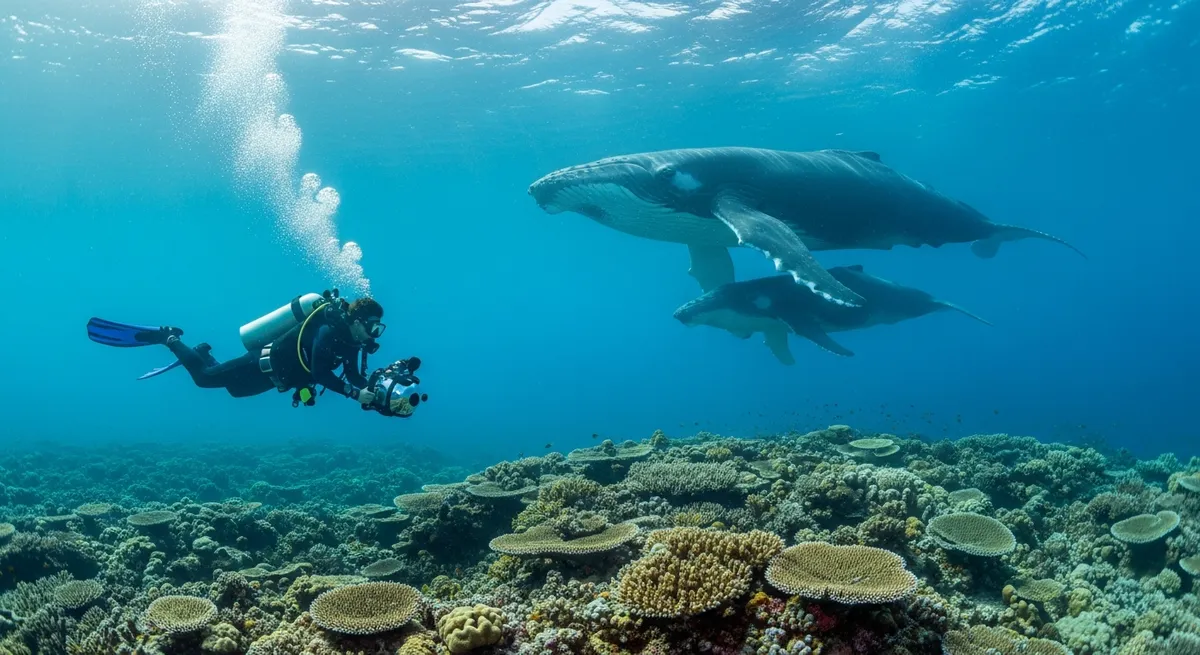
The Great Reef of Tuléar, one of the world's largest fringing reefs. Remote and pristine.
Ocean Wildlife in Madagascar
1 species recorded in Madagascar
Madagascar Visa Requirements
Check if you need a visa to dive in Madagascar
Plan & book
Ways to dive Madagascar, from day trips to liveaboards.
Day trips & courses
via GetYourGuideGuided dives, courses and snorkel trips with instant booking.
Find dive trips in MadagascarPlaces to stay
via Booking.comHotels and dive resorts near Madagascar.
Search stays in MadagascarDive insurance
Most travel insurance excludes or limits scuba. Check what you need before you go.
Dive insurance explainedPartner links: we may earn a commission if you book, at no extra cost to you. How we make money