
Diving in Denmark
Why dive here
Denmark offers rich diving, with 100+ marine species recorded in its waters - including seals & sea lions, sea turtles and jellyfish lake. Water ranges 3-19°C, warmest July, August, September.
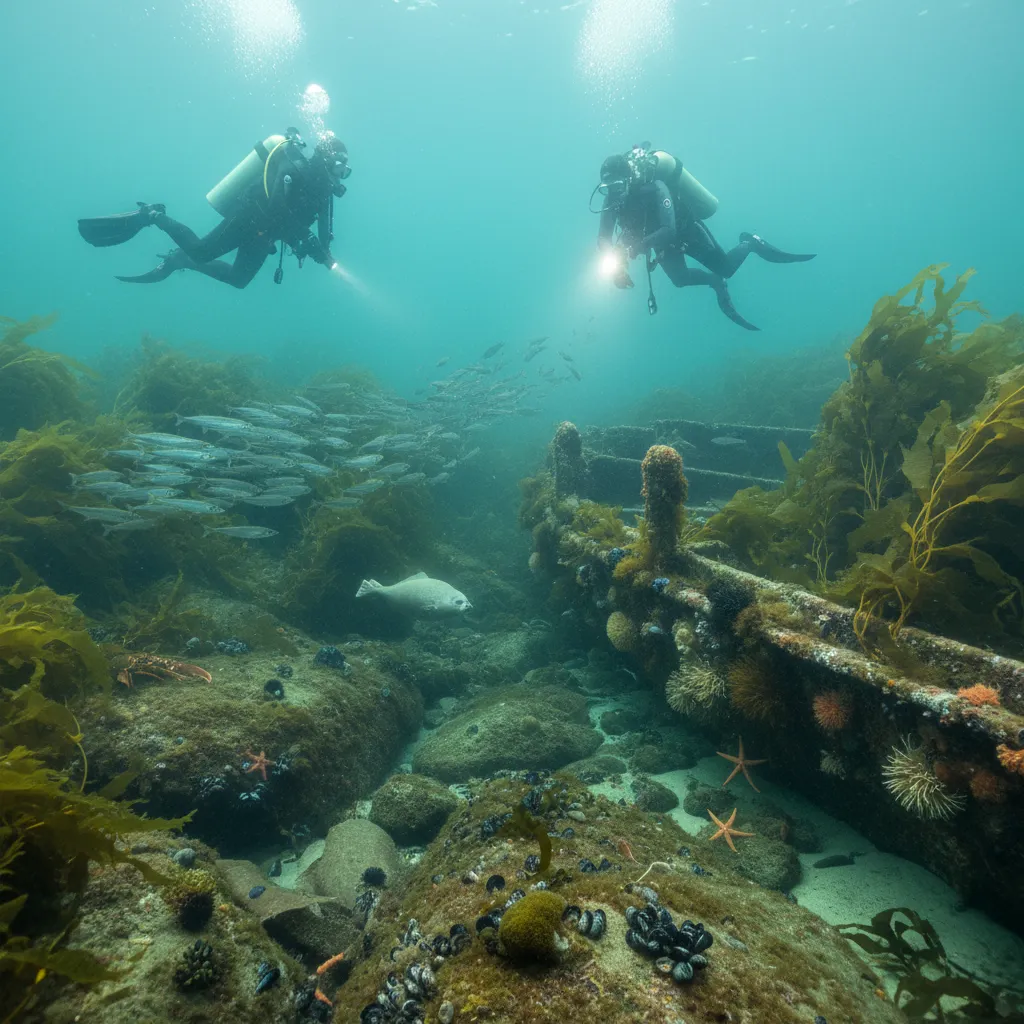
Forget those warm water assumptions you might have about Europe. Diving in Denmark is a different beast, more about history and hardy critters than coral. We head here for the wrecks, plain and simple - the sheer volume of them, scattered from the Viking era right through two World Wars, is incredible. The North Sea side, especially, can deliver some dramatic, current-swept dives on well-preserved ships, while Bornholm offers shallower, slightly calmer waters if you're keen on spotting those unique Baltic species like the Quagga Mussel or a Scale-rayed Wrasse. Summer brings the best visibility, but brace yourself for brisk temperatures; this is drysuit country for much of the year, and we wouldn't have it any other way.
Denmark Dive Regions Map
Denmark Dive Regions
2 diving areas in Denmark
Bornholm
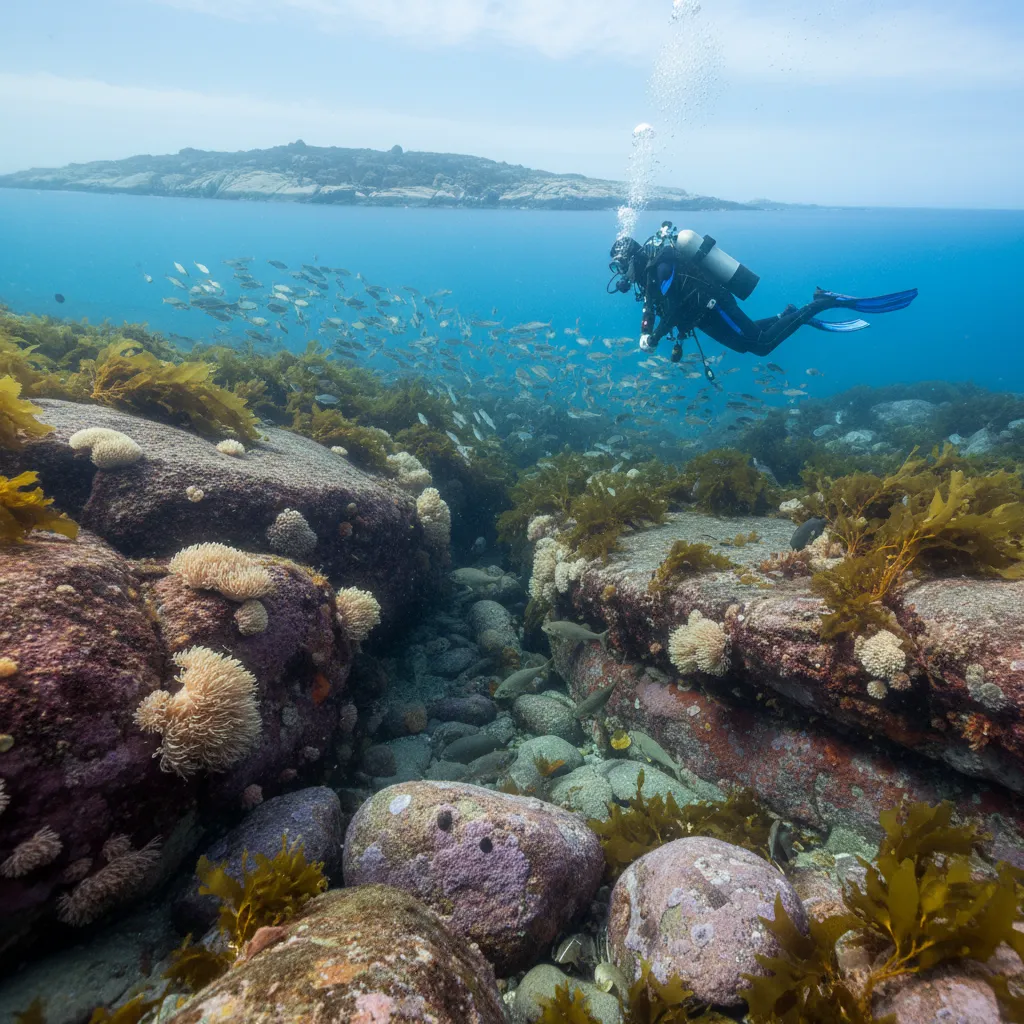
Bornholm, out in the Baltic, is a bit of a curveball when people think of Danish diving. Forget the North Sea’s gloom; here, the visibility genuinely surprises, often hitting 20 metres on a good day, which for this part of the world, feels like a miracle. We love Bornholm for its wreck graveyard - over 390 sites recorded and many still waiting to be truly explored. Diving Bornholm means picking your wreck and spending time with it. There’s no rush. You’ll find everything from old fishing vessels to naval casualties, often surprisingly intact thanks to the cold water. We’ve spent hours poking around the *Bolette*, a cargo ship that went down in the 1940s, and it’s always a good dive. The marine life isn't tropical, obviously, but it’s still interesting. Look for the common gobies darting between the metal, and we’ve spotted red-throated divers overhead on ascents. In spring, the chance of seeing salmon or sea trout is higher, particularly near the rocky reefs, making for a different kind of encounter. Strong currents can pick up around the northern tip, so always check local conditions before heading out to those deeper wrecks. It’s proper Baltic diving, honest and rewarding if you know what to expect.
North Sea Coast
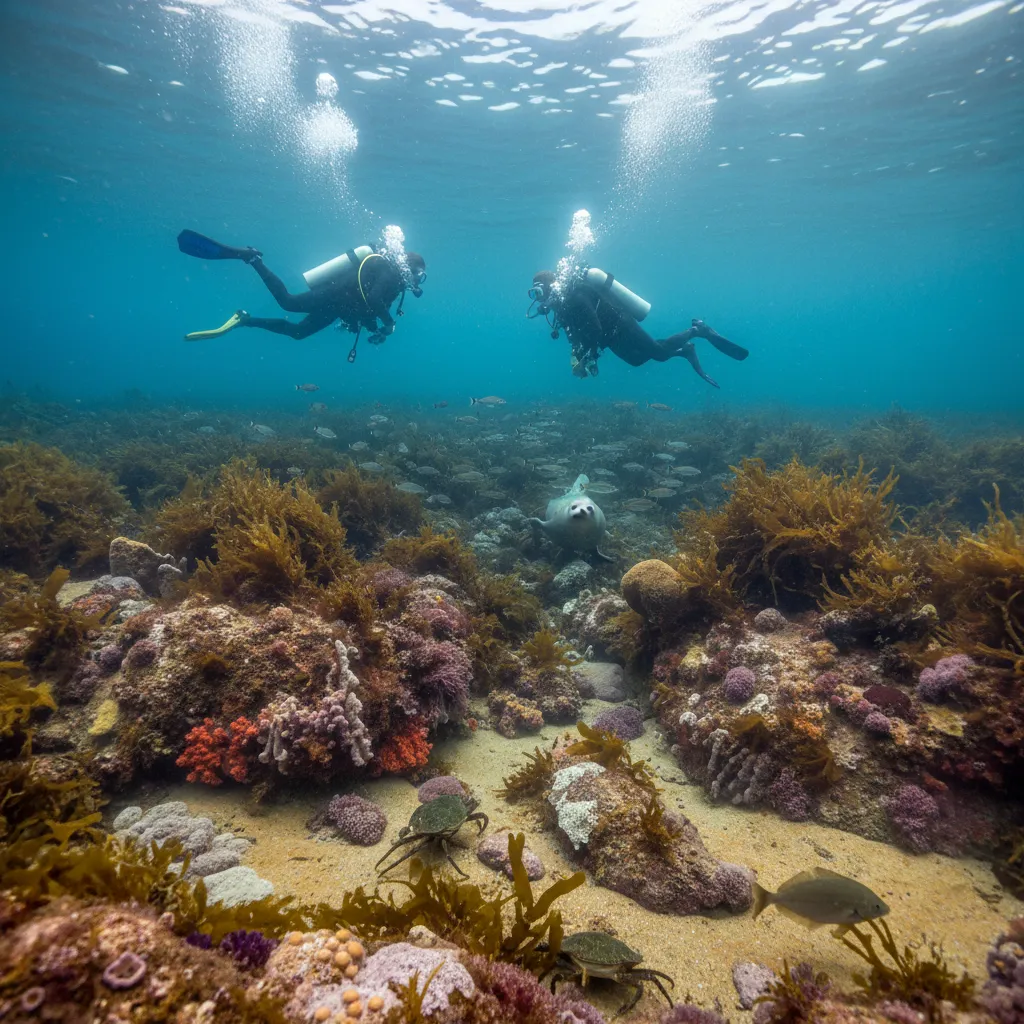
Alright, let's talk about the North Sea Coast in Denmark. If you're coming here expecting colourful coral and balmy water, you've missed the brief. This isn't a tropical destination, it’s a rugged, often wild, coastline for divers who appreciate history and a bit of a challenge. We love the sheer grit of diving the North Sea, especially when you’re exploring the WWII wrecks off the Jutland peninsula. These aren't just submerged metal; they're time capsules, often encrusted with Wandering Mussels and home to Pollock and Rockling. Visibility can be a real mixed bag. Some days you get 15 metres and the wreck just appears out of the green, others it's more like three and you're navigating by touch and instinct. That's part of the adventure though, isn’t it? Keep an eye out for Northern Pipefish tucked into crevices and don't be surprised to see Scad schooling in the currents. Surface conditions are often rough, so you need to be comfortable with a bit of a swell, and we'd always recommend going with a local dive centre. They know the currents, which can be pretty feisty around these parts, and they know the wrecks intimately. Our favourite dives are always the ones where you get a good push from the current, drifting past parts of history. It’s a completely different kind of beauty down there, stark and real.
Ocean Wildlife in Denmark
100 species recorded in Denmark
Denmark Visa Requirements
Check if you need a visa to dive in Denmark
Plan & book
Ways to dive Denmark, from day trips to liveaboards.
Day trips & courses
via GetYourGuideGuided dives, courses and snorkel trips with instant booking.
Find dive trips in DenmarkPlaces to stay
via Booking.comHotels and dive resorts near Denmark.
Search stays in DenmarkDive insurance
Most travel insurance excludes or limits scuba. Check what you need before you go.
Dive insurance explainedPartner links: we may earn a commission if you book, at no extra cost to you. How we make money