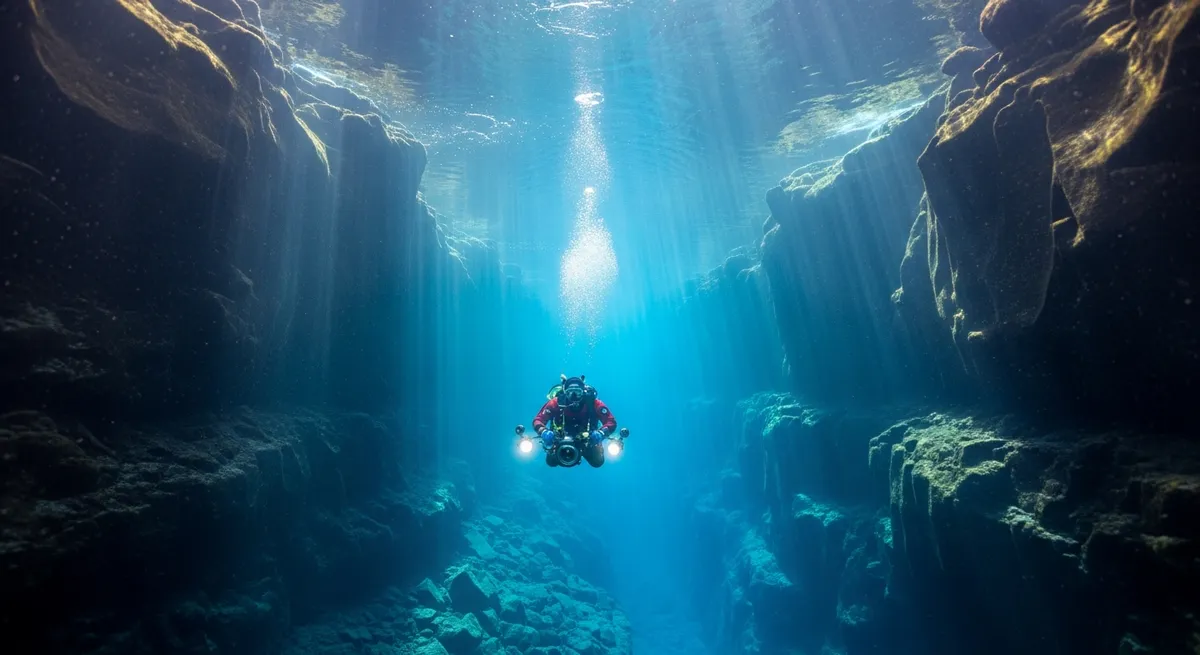

Diving in Iceland
Why dive here
Iceland is a diving destination where you can encounter blue whales, dwarf minke whales, humpback whales, orcas and seals & sea lions. Water ranges 4-12°C, warmest July, August, September.
Iceland for diving? We know, it sounds a bit out there, but trust us, it’s brilliant. Forget your tropical fish, here you’re diving between continents, exploring geothermal vents, and maybe even spotting an orca or two. Silfra, in Thingvellir National Park, is the obvious draw. We’ve all seen the photos of divers suspended in that impossibly clear glacial meltwater, floating between the North American and Eurasian plates, and it really is as good as it looks. The visibility, often over 100 meters, is genuinely staggering. But there’s more to Iceland than just Silfra. Head north to Strytan for a completely different vibe, diving around unique geothermal chimneys that are absolutely buzzing with life, especially the impressive Norway lobsters. We think summer, June to August, is your best bet for better weather and calmer conditions across the board, though Silfra is a year-round affair. Just be prepared for cold water - this is Iceland, after all. The drysuit is non-negotiable, but the experience is truly unique and well worth the extra neoprene.
Iceland Dive Regions Map
Iceland Dive Regions
3 diving areas in Iceland
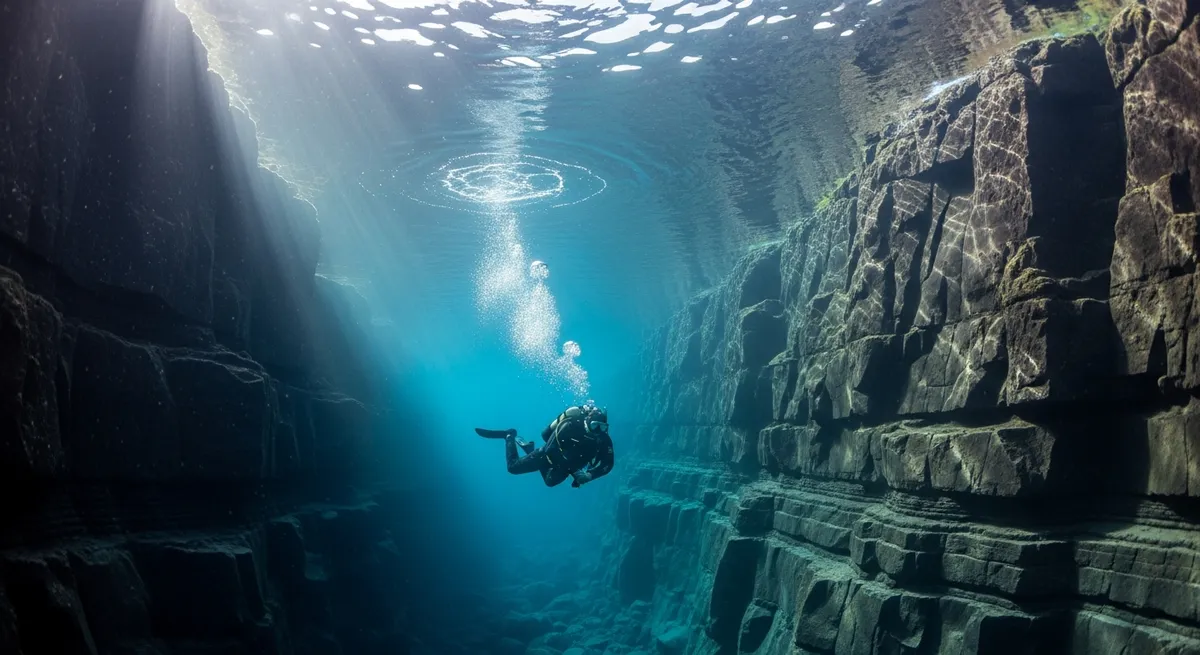
Silfra & Thingvellir
Diving Silfra isn’t like any other dive; it’s an Iceland-specific experience that will reset your expectations for water clarity. We’re talking over 100 metres of visibility in glacial meltwater so pure you can drink it, all while drifting between the North American and Eurasian tectonic plates. The sheer scale of the fissure, dropping to around 30 metres in places, makes you feel incredibly small. It’s chilly, often sitting around 2-4°C, so a drysuit is non-negotiable, and we’d suggest investing in good quality undergarments for warmth. We love the feeling of weightlessness in the ‘Cathedral’, where the fissure widens, letting more light filter down. Marine life here isn't the point; you might spot a few Arctic char or some of that vibrant green ‘troll hair’ algae clinging to the rocks, but the draw is the geological drama. Our favourite practical tip: get there early to avoid the crowds, especially in summer, as it can get busy. The light plays differently at various times of day too; late morning usually gives the best illumination into the deeper sections.
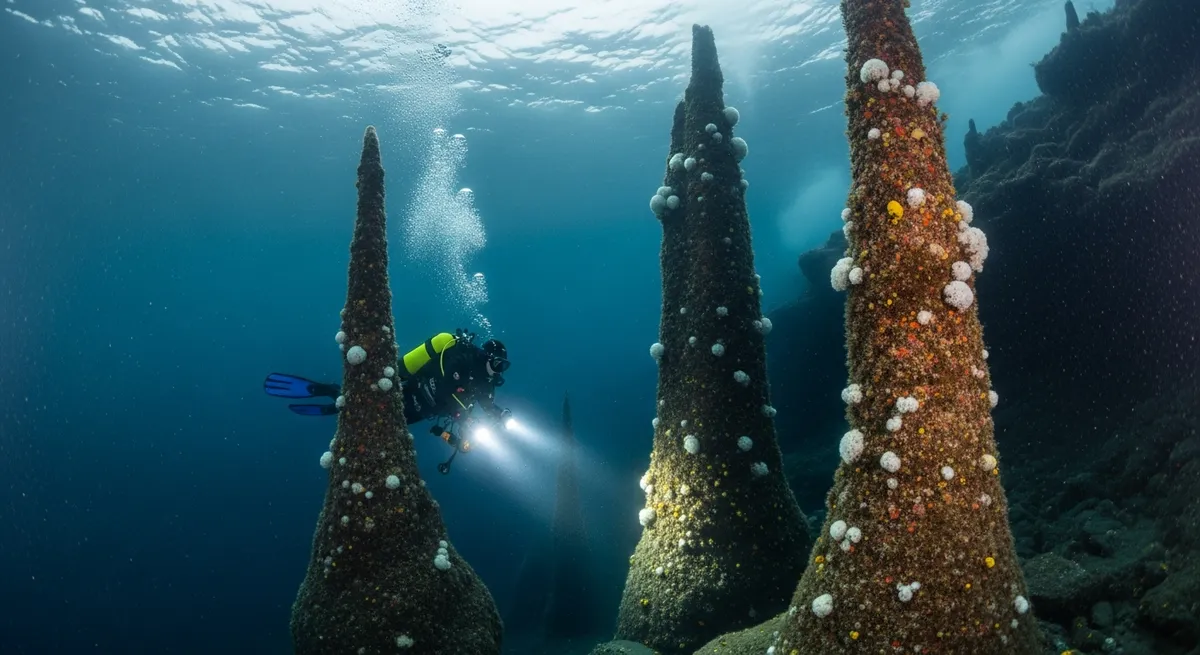
Strytan & North Iceland
Strytan isn't just a dive site, it’s a geological phenomenon, a warm anomaly in the cold north. We love the feeling of descending onto the pinnacle itself, a hydrothermal chimney bubbling away, releasing warm water from the earth. The temperature shift is palpable, and that warmth attracts an unusual mix of Arctic marine life. You’ll see species like the Northern sea fern clinging to the towers, thriving in the geothermal heat. The surrounding reefs hold big Atlantic cod and schools of coalfish. This isn't your colourful tropical reef, but the scale of the geology and the sheer resilience of the life here is incredible. Visibility can be excellent, often around 20-30 metres, especially outside of the spring plankton bloom. We’d suggest focusing on the quieter morning dives if you can, before any potential boat traffic kicks up the silty bottom nearby. You might even spot a harbour porpoise zipping by or hear the distant calls of minke whales during the summer months. It's a stark, powerful place, and truly unique.
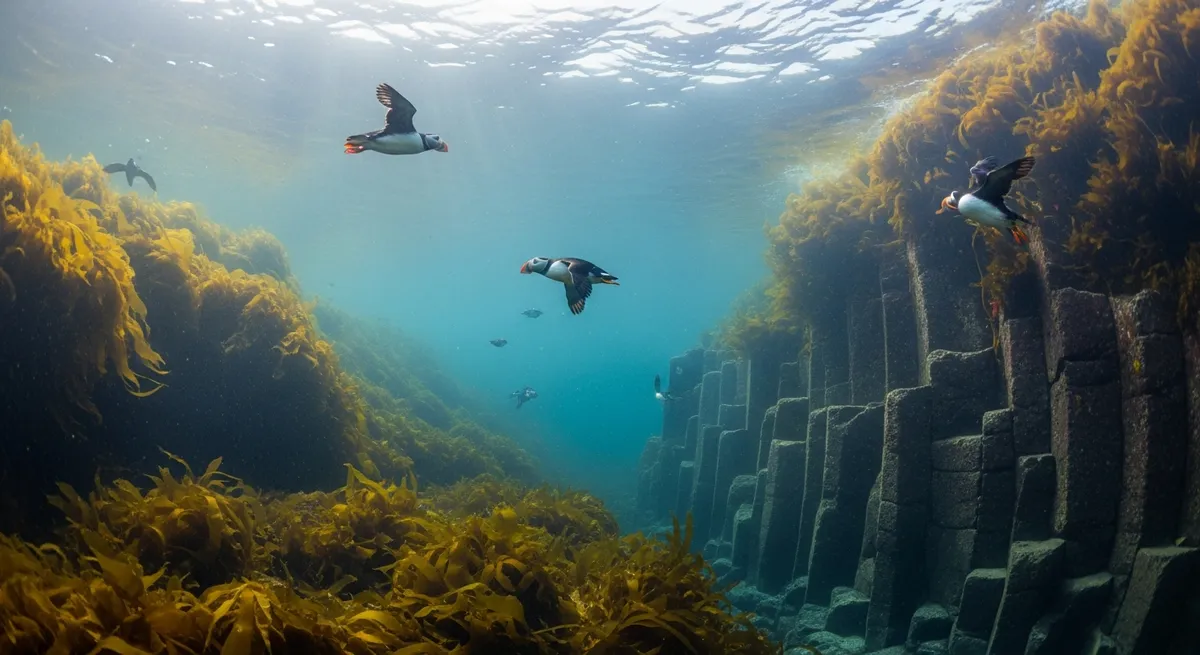
Vestmannaeyjar
The Westman Islands off Iceland's south coast with volcanic underwater topography, kelp forests, and rich cold-water marine life.
Ocean Wildlife in Iceland
27 species recorded in Iceland
Iceland Visa Requirements
Check if you need a visa to dive in Iceland
Plan & book
Ways to dive Iceland, from day trips to liveaboards.
Day trips & courses
via GetYourGuideGuided dives, courses and snorkel trips with instant booking.
Find dive trips in IcelandPlaces to stay
via Booking.comHotels and dive resorts near Iceland.
Search stays in IcelandDive insurance
Most travel insurance excludes or limits scuba. Check what you need before you go.
Dive insurance explainedPartner links: we may earn a commission if you book, at no extra cost to you. How we make money