APPLEGARTH
Protected Area
New Ferry
Why dive here
With 118+ marine species recorded in the area - including dolphins, dwarf minke whales, humpback whales, ocean sunfish (mola mola) and orcas - APPLEGARTH offers some of Northumberland & Northeast's richest wreck diving.
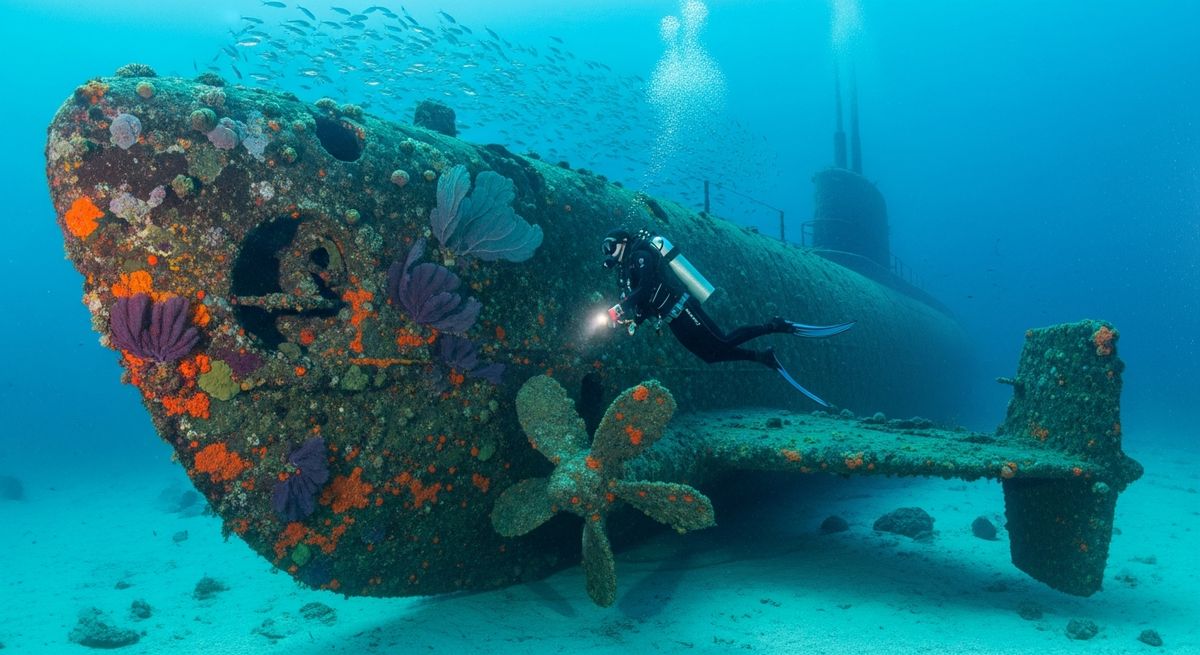
The Applegarth is a proper North Sea wreck, sitting upright and mostly intact, which is always a bonus. We’ve always appreciated a wreck that still looks like a ship, even after all these years down there. Dropping onto her bow, you can still make out the anchor chains leading down into the gloom. We love navigating our way along the deck, peeking into open holds that are now home to squat lobsters and the occasional blenny. This old tug has become a really solid artificial reef. The structure itself is interesting, with plenty of nooks and crannies for exploration, but it's the marine life that truly brings it alive. We’ve seen conger eels coiled up inside broken sections, and the entire superstructure is carpeted in anemones and dead man’s fingers, swaying gently in the current. Visibility can be a typical North Sea mixed bag – one day you’re seeing the whole ship, the next it’s an intimate exploration of just a few metres. We'd suggest timing your dive with slack water to really make the most of it; it makes exploring those deeper sections much more enjoyable. This is a dive for those who appreciate history and the rugged beauty of a cold-water wreck.
Safety Notes
Wreck site - avoid penetration without wreck diving certification. Watch for sharp metal and entanglement hazards.
APPLEGARTH Wreck History
Year Sunk
1971
Vessel Type
tugboat
Cause
scuttled
Tonnage
178 GRT
Unlike most wrecks, the Applegarth did not sink by accident but was laid to rest with purpose. This historic paddle tug, built in 1914, served a long and industrious life on the River Wear. After its retirement, it was given one final job: in 1971, it was deliberately scuttled near the Sunderland docks to act as a breakwater, protecting the marina from the powerful currents and surges of the river mouth.
Today, the Applegarth is a beloved local landmark, its rusting superstructure and paddle wheels permanently breaking the surface of the water. At a depth of 0 metres, it is one of the most accessible 'wrecks' in the UK. On a high tide, snorkelers and divers can explore the submerged portions of the hull, which have transformed into a thriving micro-habitat for crabs, anemones, and small fish. It's a fascinating dive that offers a direct connection to the industrial heritage of the Northeast, allowing you to touch a piece of history that remains in plain sight.
Nearest Dive Centres to APPLEGARTH
Dive shops near APPLEGARTH
Aquaventurers
Blue Planet Aquarium
Shipmates
Delph Watersports Centre
Southsea Scuba
Diving & Marine Services
Reviews for APPLEGARTH
Conditions
Ocean conditions, forecast and tides for APPLEGARTH
Plan & book
Ways to dive Northumberland & Northeast, from day trips to liveaboards.
Day trips & courses
via GetYourGuideGuided dives, courses and snorkel trips with instant booking.
Find dive trips in Northumberland & NortheastPlaces to stay
via Booking.comHotels and dive resorts near Northumberland & Northeast.
Search stays in Northumberland & NortheastDive insurance
Most travel insurance excludes or limits scuba. Check what you need before you go.
Dive insurance explainedPartner links: we may earn a commission if you book, at no extra cost to you. How we make money
Where to Stay near APPLEGARTH
Prices from Booking.com. We may earn a commission at no extra cost to you.