
Diving in United Kingdom
Why dive here
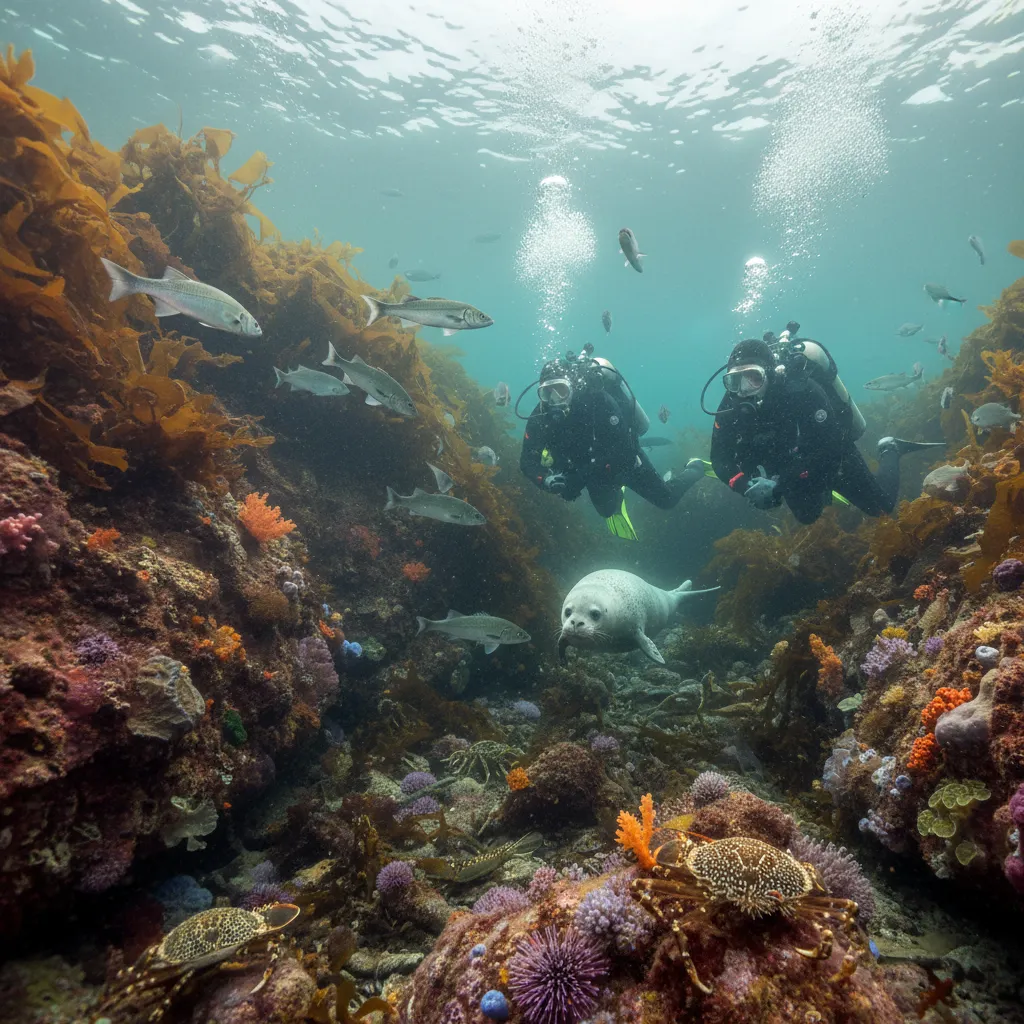
United Kingdom offers rich diving, with 199+ marine species recorded in its waters - including blue sharks, blue whales, dolphins, dwarf minke whales and humpback whales. Water sits around 9°C.
Forget your preconceived notions about UK diving. This isn't about warm water and colourful reef fish, but it is about some of the most compelling diving you'll find anywhere. We're talking about atmospheric wreck diving, a surprising amount of macro life, and dramatic kelp forests swaying in the surge. Head to Scapa Flow in Orkney for an unparalleled journey into maritime history, where the scuttled German High Seas Fleet lies scattered across the seabed, an experience we consider truly special. For something completely different, explore the Cornish coast; it's a graveyard of wrecks, yes, but also home to playful seals and an incredible density of small, fascinating creatures like stout bobtail squid and jewel anemones. The UK's temperate waters mean decent diving is available year-round, though summer and early autumn offer the calmest conditions and best visibility.
United Kingdom Dive Regions Map
United Kingdom Dive Regions
5 diving areas in United Kingdom
Cornwall & Devon
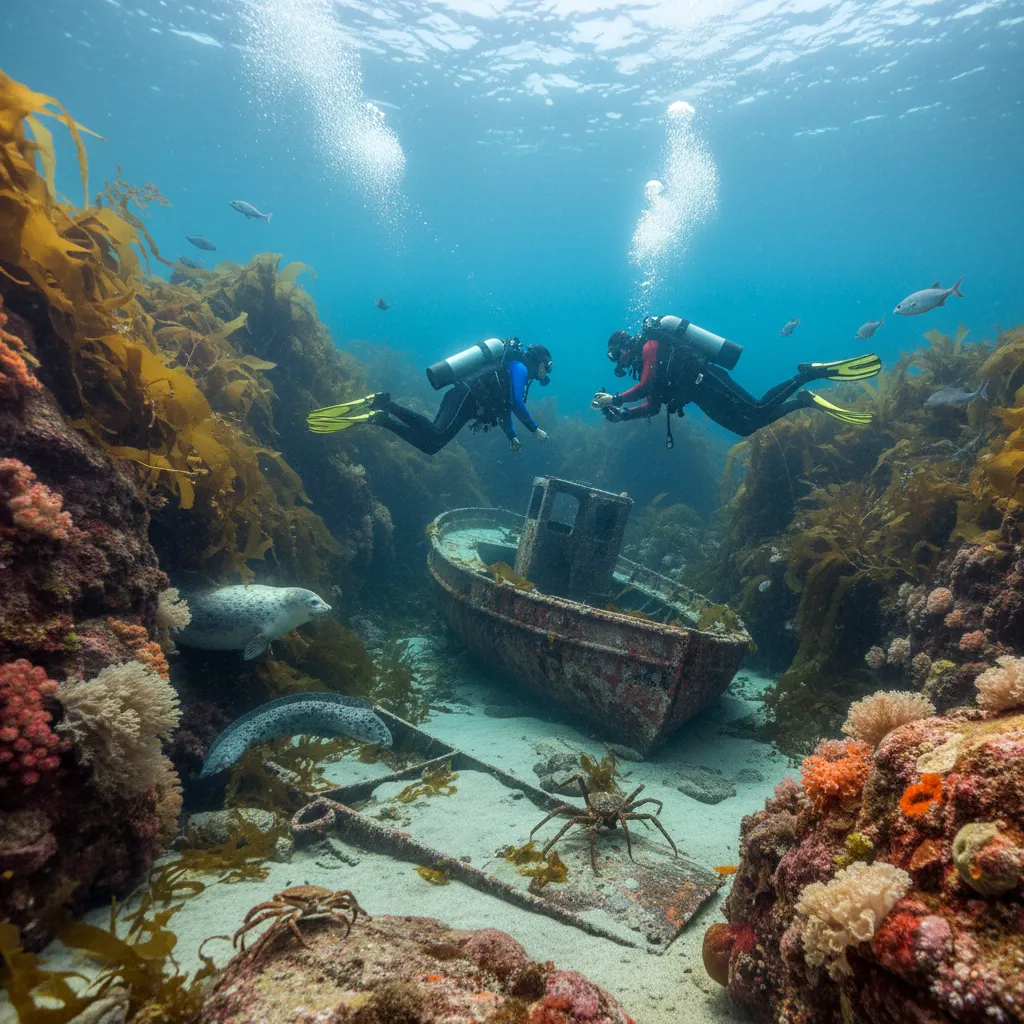
Forget the tropical brochures for a minute. We love a good challenge, and the UK’s southwest coast, particularly Cornwall and Devon, delivers something genuinely unique. This isn't about big pelagics or technicolor coral; it's about history, rugged beauty, and a surprising abundance of temperate marine life. Diving here is all about the wreck. They line the coast, hundreds of them, from ancient sailing vessels to more modern freighters. Dropping onto a site like the **SS James Eagan Layne**, resting at 20m, you feel the weight of history. The visibility can vary, sure, but on a good day, sunlight filters through the kelp, illuminating shoals of bib darting through the rusted hull, and you’ll spot a common lobster peering out from a crevice. It’s atmospheric, a real dive into the past. We often find ourselves scanning the seabed for sand eels, and if you're lucky, you might even catch a glimpse of a porbeagle cruising by offshore, particularly in late summer. For macro enthusiasts, the sea fans and sponges are home to an impressive array of nudibranchs, and we’ve spent many a decompression stop watching transparent gobies flit around rocky outcrops. Conditions can be brisk, especially outside of summer, but the rewards are always there. Bring a good drysuit, be ready for some current on certain sites, and you'll come away with some incredible memories.
Northumberland & Northeast
Northumberland and the Northeast might just be our favourite UK cold-water secret. Forget everything you think you know about diving in Britain, because this region delivers a proper punch. We’re talking about the Farne Islands, where grey seals don’t just tolerate you, they actively *play* with you. Seriously, a seal puppy nudging your camera or tugging your fin is a regular occurrence here. Beyond the playful seals, the region’s coastline is littered with dramatic wrecks, some lying intact since the World Wars, now encrusted in plumose anemones and home to curious cuckoo skates. We often find ourselves drifting along reefs, spotting common pipefish tucked into kelp, or catching a flash of red mullet. Visibility can swing, but on a good day, sunlight filters down through the green water, illuminating swaying kelp forests and the occasional pink sea fan. For those crisp, clear winter days, the diving is truly special.
Scapa Flow, Orkney
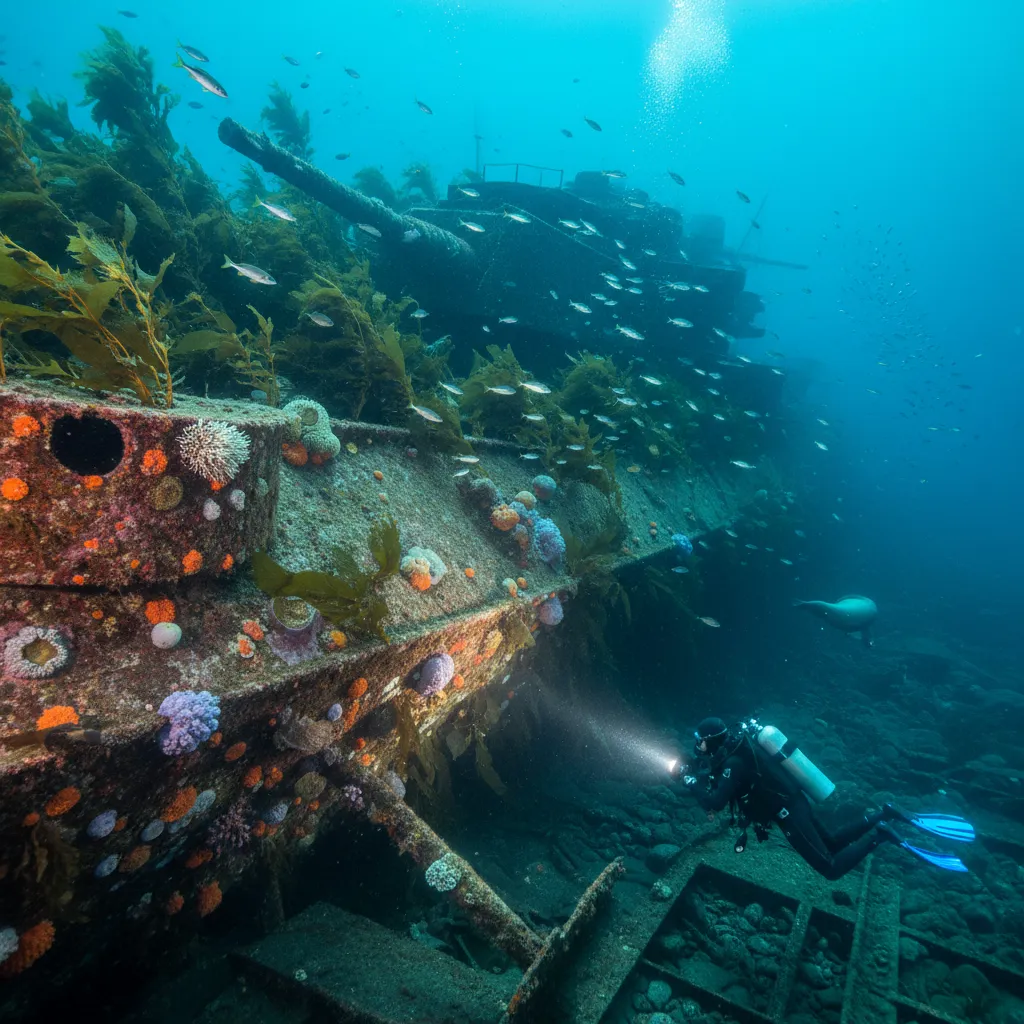
Scapa Flow isn't just diving, it’s a journey through time. We’re talking about the scuttled German High Seas Fleet from 1919 - this isn't some scattered debris, these are massive battleships and cruisers, largely intact. Dropping down onto the *SMS Brummer* or the *SMS Coln*, you feel the sheer scale of these wrecks immediately. The metal structures loom out of the green gloom, often adorned with plumose anemones, and you’ll pass through gaping shell holes or into vast, empty holds. Visibility can swing wildly, but when it's good, seeing these giants emerge is incredible. We love the feeling of the history pressing in on you. It’s a cold dive, so drysuits are non-negotiable, and a good dive guide is essential to navigate the wrecks and currents. The sheer number of sites means you could spend weeks here and still not see it all. Our favourite time to visit is late spring, when the weather starts to settle but before the summer crowds, though "crowds" is a relative term here. It's a deep, dark, and utterly compelling experience.
Scottish East Coast & Borders
Forget what you think you know about UK diving, because the Scottish East Coast and Borders punches well above its weight. St Abbs Head, in particular, is where we always head first. It's a shore diver's dream, with rocky reefs draped in plumose anemones and dead man's fingers. You'll find wolf fish peering from cracks, lobsters scuttling, and seals often curious enough to join your dive. We love that chilly plunge, the way the kelp fronds sway, and the distinct taste of salt and sea mist in the air as you surface. Visibility is generally good here, though it can drop after heavy rain. Our favourite time to visit is late summer or early autumn. The water is a touch warmer, and the light filtering through the kelp creates an almost ethereal glow. Be prepared for strong currents at certain tides, especially around headlands; always check with local centres. We find the marine life here to be incredibly resilient and always surprising. Think less tropical flash, more rugged, wild beauty. The sheer number of dive sites, over 900, means you'll never run out of new places to explore.
Scottish West Coast
Forget your preconceptions about UK diving. The Scottish West Coast, particularly the Sound of Mull, is a different beast entirely. We love the dramatic wreck diving here; it’s like exploring a submerged museum, with over 30 historic ships nestled in relatively sheltered sea lochs. The cold, nutrient-rich Atlantic waters may demand a drysuit, but they fuel incredibly dense soft coral growth. Think vibrant orange and pink finger corals spilling over everything, contrasting beautifully with thick kelp forests that sway like underwater trees. Our favourite time to visit is late spring, when the water begins to warm slightly, and you have a better chance of spotting playful seals or even the occasional basking shark cruising the surface. Visibility, while never tropical, can be surprisingly good on a calm day, often reaching 10-15 metres, letting you really appreciate the scale of a wreck like the Hispania. Look closely for lumpsuckers tucked into crevices or the shy, fascinating Black-bellied angler on a silty seabed. It’s a place for divers who appreciate atmosphere and the sheer resilience of marine life in a truly wild environment. Expect serious character, not just pretty colours.
Ocean Wildlife in United Kingdom
199 species recorded in United Kingdom
United Kingdom Visa Requirements
Check if you need a visa to dive in United Kingdom
Plan & book
Ways to dive United Kingdom, from day trips to liveaboards.
Day trips & courses
via GetYourGuideGuided dives, courses and snorkel trips with instant booking.
Find dive trips in United KingdomPlaces to stay
via Booking.comHotels and dive resorts near United Kingdom.
Search stays in United KingdomDive insurance
Most travel insurance excludes or limits scuba. Check what you need before you go.
Dive insurance explainedPartner links: we may earn a commission if you book, at no extra cost to you. How we make money