ARGYLL
Protected Area
Corsewall Point to Milleur Point
Why dive here
With 118+ marine species recorded in the area - including dolphins, dwarf minke whales, humpback whales, ocean sunfish (mola mola) and orcas - ARGYLL offers some of Northumberland & Northeast's richest wreck diving.
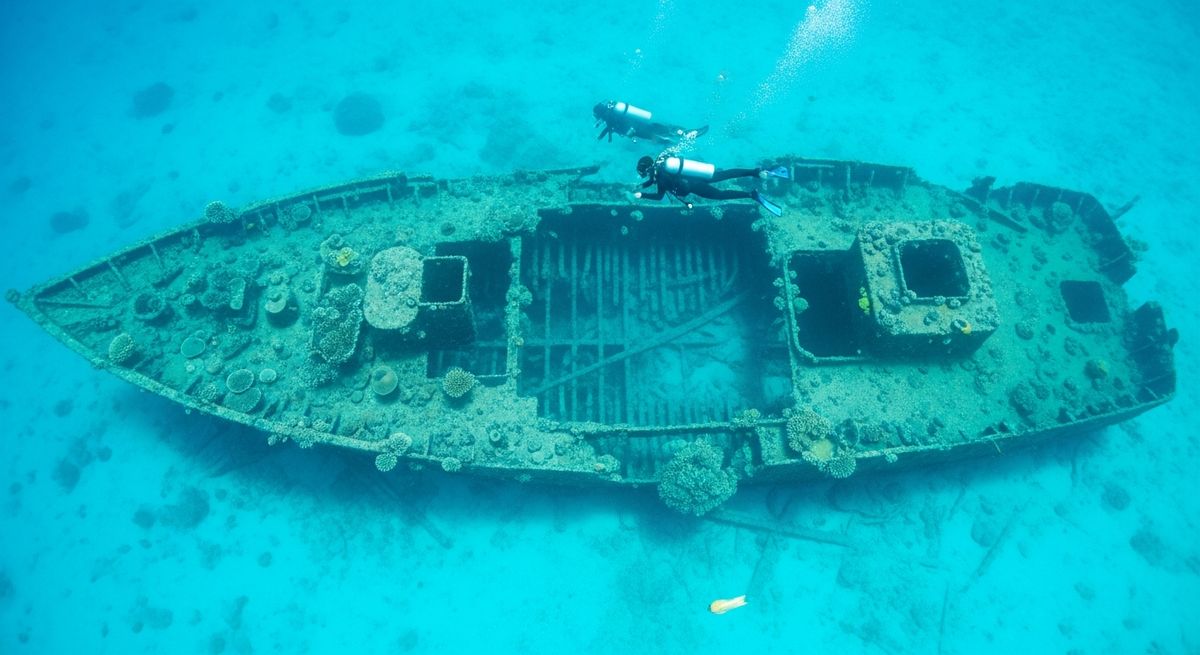
The Argyll, lying in just 5 metres of water, is a proper North Sea classic. We love it for its sheer accessibility and the way the light filters through the waves, illuminating the iron plates. This isn’t a deep, dramatic wreck, but a wonderfully explorable one, especially for those new to wreck diving or anyone after a shallow, long bottom time. You’ll find the Argyll broken but still recognisable, spread out on the seabed. There’s a distinct boiler you can swim around, often surrounded by curious wrasse, and plenty of ribs and plating to poke about in. We’ve spent hours here, tracing the outline of the stern and imagining the old steamship’s final moments. It’s absolutely covered in plumose anemones, their white tentacles swaying gently in the surge, and the nooks and crannies are home to some surprisingly large crabs and lobsters. Look closely among the kelp-draped sections; you’ll often spot dogfish eggs, like little mermaid’s purses, secured to the metalwork. Our favourite time to dive it is on a calm, sunny day, when the visibility opens up and the wreck is bathed in a soft green glow. Just be mindful of local tides; even in 5 metres, a strong push can make things less enjoyable.
Typical ARGYLL Dive Profile
Illustrative profile based on site depth and type. Actual dive profiles vary - always follow your dive computer and training.
Safety Notes
Wreck site - avoid penetration without wreck diving certification. Watch for sharp metal and entanglement hazards.
ARGYLL Wreck History
Year Sunk
1893
Vessel Type
cargo ship
Cause
grounding
Tonnage
468 GRT
The SS Argyll was an iron-hulled steamship built in 1886 by R. Duncan & Co. in Port Glasgow for the Argyll Steamship Company. As a modern vessel for her time, she was powered by a triple-expansion steam engine and served the busy coastal trade routes of the United Kingdom, a vital part of the late Victorian maritime economy.
Her service was cut short on September 17, 1893. While on a passage from Glasgow, the Argyll sailed into a thick fog off the notoriously treacherous coast of Northumberland. In the poor visibility, she lost her way and ran hard aground on the unforgiving rocks of the Farne Islands, an area that has claimed countless ships over the centuries. The powerful swell quickly broke the vessel apart, and she sank beneath the waves.
Lying in just 5 meters of water, the wreck of the Argyll is now a scattered and broken site, testament to over a century of exposure to the powerful North Sea. This shallow depth makes it an excellent and fascinating dive for all experience levels, particularly in calm conditions. Divers can explore the wreckage, including the ship's boiler and large sections of plating, which lie in rocky gullies draped in kelp. The iron remains have been fully reclaimed by nature and now host a vibrant ecosystem of fish, crabs, and lobsters.
Reviews for ARGYLL
Conditions
Ocean conditions, forecast and tides for ARGYLL
Plan & book
Ways to dive Northumberland & Northeast, from day trips to liveaboards.
Day trips & courses
via GetYourGuideGuided dives, courses and snorkel trips with instant booking.
Find dive trips in Northumberland & NortheastPlaces to stay
via Booking.comHotels and dive resorts near Northumberland & Northeast.
Search stays in Northumberland & NortheastDive insurance
Most travel insurance excludes or limits scuba. Check what you need before you go.
Dive insurance explainedPartner links: we may earn a commission if you book, at no extra cost to you. How we make money
Where to Stay near ARGYLL
Prices from Booking.com. We may earn a commission at no extra cost to you.