AZALEA
Protected Area
Ravenmeols Hills
Why dive here
With 118+ marine species recorded in the area - including dolphins, dwarf minke whales, humpback whales, ocean sunfish (mola mola) and orcas - AZALEA offers some of Northumberland & Northeast's richest wreck diving.
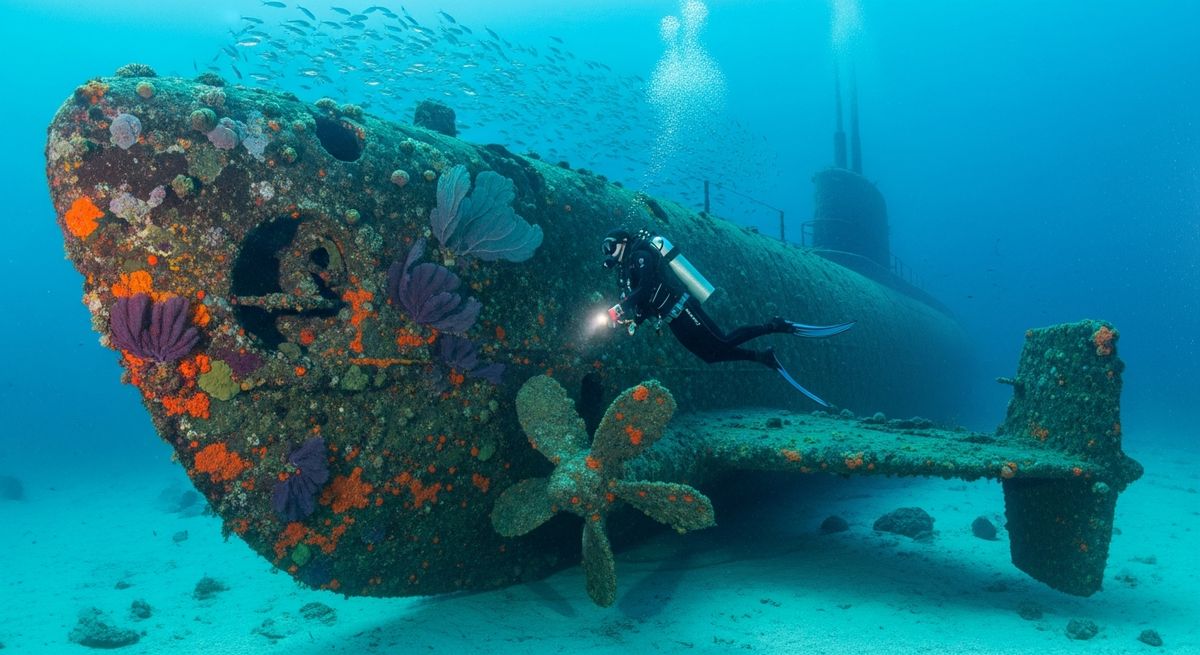
We love the *Azalea* for its sheer accessibility and surprising character, a proper little time capsule just a short dip down. This isn't a deep, dramatic wreck, but for 7m, she really delivers. You’ll find her broken up a bit, spread across the seabed, but the boiler stands proud, a real focal point. It’s always buzzing with life, especially those cheeky wrasse darting between the plates, and we often spot butterfish tucked into the nooks. Exploring here feels like poking around a submerged scrapheap, but in the best possible way. The iron plates are thick with anemones and hydroids, a shaggy carpet of life. Our favourite time to dive the *Azalea* is on a calm, sunny day when the light really penetrates, making the metal glow a dull bronze. Visibility can vary, but even on an average day, it’s a lovely, gentle potter. It's an ideal spot for newer divers getting comfortable with wrecks, or for photographers who want to spend some quality time framing shots of those intricate iron structures and the resident critters. Just be mindful of the currents, which can pick up a bit around slack water, but nothing too taxing. For such a shallow site, it’s packed with details, and we’re always finding something new on repeated visits.
Typical AZALEA Dive Profile
Illustrative profile based on site depth and type. Actual dive profiles vary - always follow your dive computer and training.
Safety Notes
Wreck site - avoid penetration without wreck diving certification. Watch for sharp metal and entanglement hazards.
AZALEA Wreck History
Year Sunk
1903
Vessel Type
cargo ship
Cause
storm
The SS Azalea was an iron-hulled steamship built in 1886 by the renowned Sunderland Shipbuilding Co. For seventeen years, she plied the coastal waters of the United Kingdom, a workhorse of the early 20th century maritime trade. Owned by A.H. Reid of Liverpool at the time of her loss, her career came to an abrupt and tragic end on Christmas Eve, 1903, when she foundered and sank during a fierce storm.
Resting at a very shallow depth of just 7 meters, the Azalea is an accessible dive, though her age and exposure to over a century of North Sea weather mean she is now thoroughly broken up. Divers can explore the scattered remains, identifying key features like her single boiler and the remnants of her compound expansion engine. The wreckage has become a thriving artificial reef, offering a home to a variety of local marine life, making it an interesting exploration for both novice divers and history enthusiasts.
Nearest Dive Centres to AZALEA
Dive shops near AZALEA
Aquaventurers
Delph Watersports Centre
Blue Planet Aquarium
Shipmates
Fins Scuba
Blackpool Area Diving Centre
Reviews for AZALEA
Conditions
Ocean conditions, forecast and tides for AZALEA
Plan & book
Ways to dive Northumberland & Northeast, from day trips to liveaboards.
Day trips & courses
via GetYourGuideGuided dives, courses and snorkel trips with instant booking.
Find dive trips in Northumberland & NortheastPlaces to stay
via Booking.comHotels and dive resorts near Northumberland & Northeast.
Search stays in Northumberland & NortheastDive insurance
Most travel insurance excludes or limits scuba. Check what you need before you go.
Dive insurance explainedPartner links: we may earn a commission if you book, at no extra cost to you. How we make money
Where to Stay near AZALEA
Prices from Booking.com. We may earn a commission at no extra cost to you.