BALLINA
Protected Area
Laxey Bay
Why dive here
With 118+ marine species recorded in the area - including dolphins, dwarf minke whales, humpback whales, ocean sunfish (mola mola) and orcas - BALLINA offers some of Northumberland & Northeast's richest wreck diving.
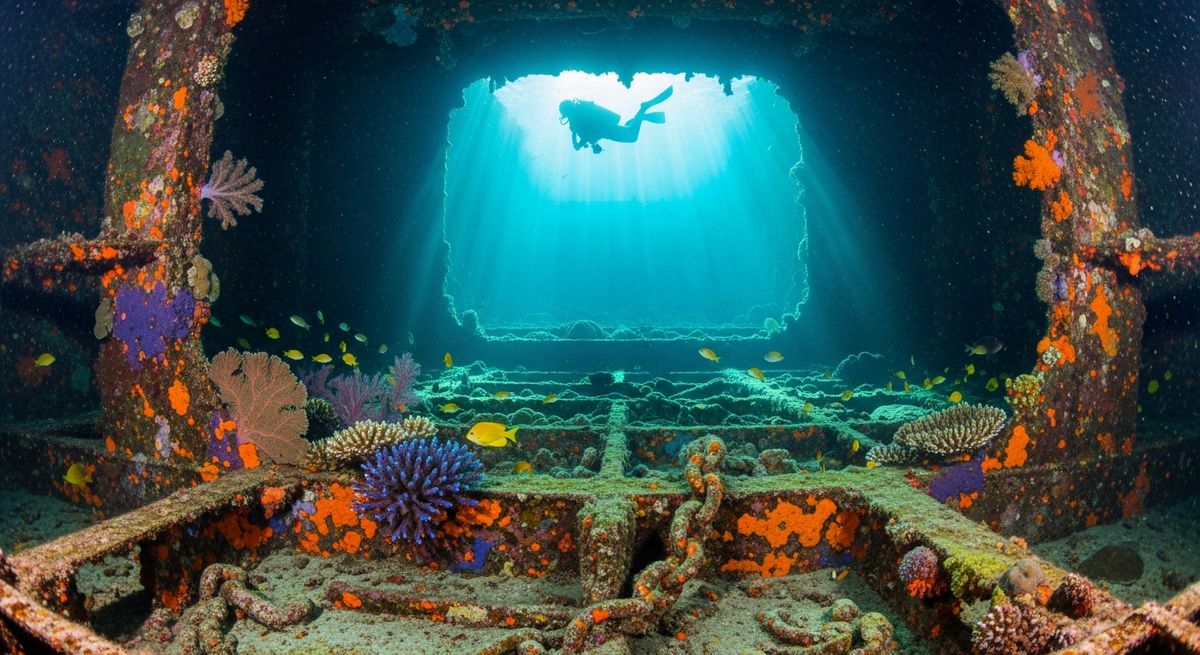
The Ballina holds a special place for us up in the Northeast, a proper historical piece of metal from 1882. We’ve done this dive countless times and it never gets old. Dropping down, you hit the bow first, often pushing through clouds of small jellyfish on the way. The stern is generally the most intact, with a distinct list to port. We love exploring the engine room, often finding a big conger eel peering out from the darkness – definitely bring a decent torch. The propeller is usually buried, but if there's been some scour, you might catch a glimpse. Visibility here is typical for the North Sea, but we've had some cracking days with 10 metres plus. Expect a decent current, especially around the tides, so plan your dive accordingly. It’s a site for experienced wreck divers, given the depth and potential conditions. You’ll find plenty of crabs and lobsters tucked into the nooks, and we’ve seen some hefty cod patrolling the edges. For us, the Ballina offers a tangible connection to the past, a humbling experience amongst the remnants of a rough journey.
Typical BALLINA Dive Profile
Illustrative profile based on site depth and type. Actual dive profiles vary - always follow your dive computer and training.
Safety Notes
Depth of 29m - Advanced Open Water certification recommended.
Wreck site - avoid penetration without wreck diving certification. Watch for sharp metal and entanglement hazards.
Always perform a 3-minute safety stop at 5m before surfacing.
BALLINA Wreck History
Year Sunk
1882
Vessel Type
cargo ship
Cause
storm
The SS Ballina was a 44-metre steamship that met its end in the unforgiving waters of the North Sea. In January 1882, the vessel departed from Liverpool, steaming towards its destination, but was caught in a severe storm that would prove fatal. Battered by ferocious winds and mountainous waves, the Ballina was overwhelmed and sank, taking her crew and cargo to the seabed and passing into maritime history.
Today, the Ballina rests at a depth of 29 metres. The wreck is classified as 'dangerous,' a designation that commands respect from any diver. This status is likely due to its age, potential for collapse, and the presence of entanglement hazards like old fishing nets. For the prepared and experienced diver, the Ballina offers a glimpse into 19th-century maritime construction. The structure, though deteriorating after more than a century underwater, provides a rich habitat for the marine life of the Northumberland coast, making it a challenging but rewarding historical dive.
Nearest Dive Centres to BALLINA
Dive shops near BALLINA
View all dive centres in Northumberland & NortheastReviews for BALLINA
Conditions
Ocean conditions, forecast and tides for BALLINA
Plan & book
Ways to dive Northumberland & Northeast, from day trips to liveaboards.
Day trips & courses
via GetYourGuideGuided dives, courses and snorkel trips with instant booking.
Find dive trips in Northumberland & NortheastPlaces to stay
via Booking.comHotels and dive resorts near Northumberland & Northeast.
Search stays in Northumberland & NortheastDive insurance
Most travel insurance excludes or limits scuba. Check what you need before you go.
Dive insurance explainedPartner links: we may earn a commission if you book, at no extra cost to you. How we make money
Where to Stay near BALLINA
Prices from Booking.com. We may earn a commission at no extra cost to you.