BLACK DIAMOND
Protected Area
Cloghfin Port
Why dive here
With 118+ marine species recorded in the area - including dolphins, dwarf minke whales, humpback whales, ocean sunfish (mola mola) and orcas - BLACK DIAMOND offers some of Northumberland & Northeast's richest wreck diving.
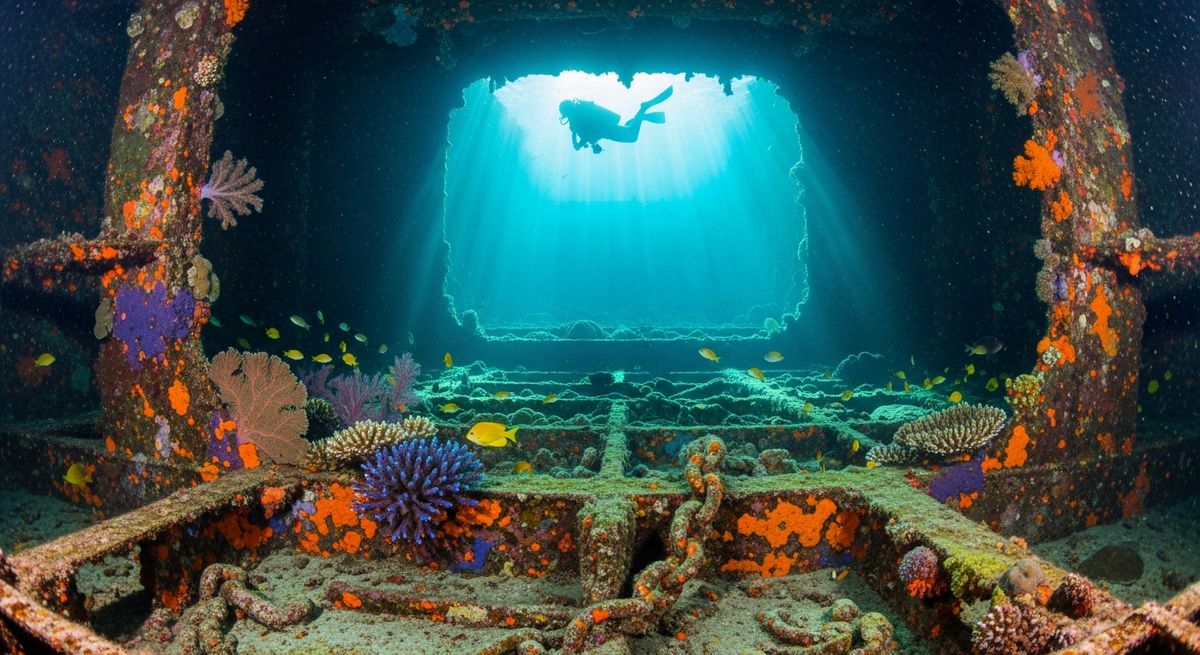
We love the Black Diamond. It’s a proper piece of North Sea history, accessible and surprisingly intimate. This isn’t a deep dive, sitting at just 8 metres, which means decent bottom time and a relaxed pace. We often find the visibility here can surprise you, especially on a calm day, giving the wreck a real sense of presence. You’re dropping onto the remains of a collier that went down in 1892, and despite the years, you can still pick out the hull plates and ribs. What makes it special for us is how marine life has absolutely taken over. The wreck acts as a huge artificial reef on what would otherwise be a flat seabed. Expect to see substantial conger eels peering out from gaps in the plates – they’re quite habituated here. Nudibranchs are scattered across the structure, and it’s a good spot for lobsters and crabs too. It’s a brilliant site for newer wreck divers or photographers wanting to spend time framing shots without worrying about depth or deco. Our top tip is to go during slack water and ideally on a rising tide after a few days of calm weather; that’s when you’ll see it at its best.
Typical BLACK DIAMOND Dive Profile
Illustrative profile based on site depth and type. Actual dive profiles vary - always follow your dive computer and training.
Safety Notes
Wreck site - avoid penetration without wreck diving certification. Watch for sharp metal and entanglement hazards.
BLACK DIAMOND Wreck History
Year Sunk
1892
Vessel Type
cargo ship
Cause
unknown
The Black Diamond is a classic example of a 19th-century collier, a workhorse of the industrial revolution designed to carry coal along the British coast. These ships were the backbone of the UK's industry, transporting the literal 'black diamonds' that powered a nation. This particular vessel met its end in May 1892, though the specific cause of its sinking is not recorded; it was likely lost to the notoriously fierce weather of the North Sea or a collision in the busy shipping lanes.
Lying at a very accessible depth of just 8 metres, the Black Diamond is an ideal dive for novices and history enthusiasts. Over a century on the seabed has left the wreck well broken up and flattened, but its remains are spread over a wide area. Divers can explore the ship's general layout, spot sections of hull plating, and imagine the lives of the Victorian sailors who worked its decks. The wreckage has become a thriving artificial reef, attracting a variety of fish and crustaceans, making it a rewarding and historical dive experience.
Reviews for BLACK DIAMOND
Conditions
Ocean conditions, forecast and tides for BLACK DIAMOND
Plan & book
Ways to dive Northumberland & Northeast, from day trips to liveaboards.
Day trips & courses
via GetYourGuideGuided dives, courses and snorkel trips with instant booking.
Find dive trips in Northumberland & NortheastPlaces to stay
via Booking.comHotels and dive resorts near Northumberland & Northeast.
Search stays in Northumberland & NortheastDive insurance
Most travel insurance excludes or limits scuba. Check what you need before you go.
Dive insurance explainedPartner links: we may earn a commission if you book, at no extra cost to you. How we make money
Where to Stay near BLACK DIAMOND
Prices from Booking.com. We may earn a commission at no extra cost to you.