BLANCH
Protected Area
Ravenmeols Hills
Why dive here
With 118+ marine species recorded in the area - including dolphins, dwarf minke whales, humpback whales, ocean sunfish (mola mola) and orcas - BLANCH offers some of Northumberland & Northeast's richest wreck diving.
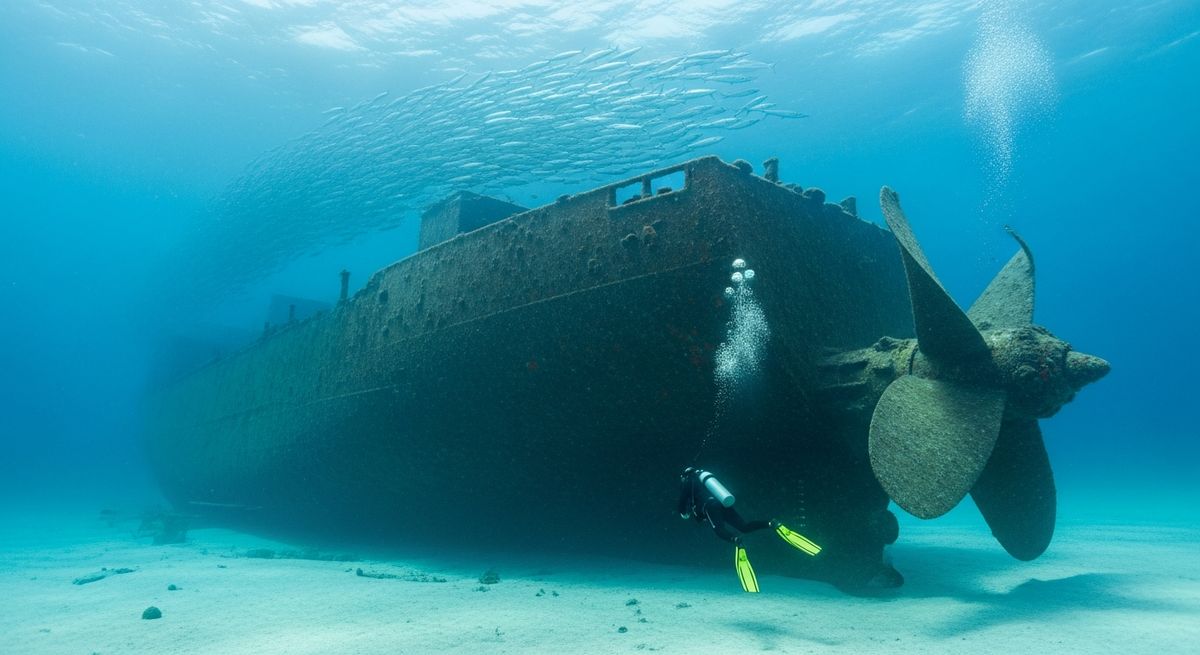
The Blanch isn't your typical North Sea wreck. For starters, it’s ridiculously shallow, sitting in just 2m of water. We're talking wading depth, which makes it perfect for a snorkel or a shallow dive when the conditions are flat. It’s essentially a broken-up fishing trawler, sunk in 1914, but time and tide have really worked their magic here. What you get now is a scattering of twisted metal and machinery, heavily colonised by kelp and an incredible amount of life for such a exposed spot. We’ve seen everything from curious butterfish darting through the wreckage to plump velvet swimming crabs hunkering down in the crevices. There’s a certain charm to exploring something so easily accessible that still holds a century of history. It’s an ideal site for macro photography, or for introducing newer divers to wreck exploration without the usual depth pressures. We’d suggest going on a calm, sunny day; the light penetration is gorgeous, and you can really appreciate the colour of the kelp and the marine growth. Just watch your buoyancy; it’s easy to stir up the sand here.
Typical BLANCH Dive Profile
Illustrative profile based on site depth and type. Actual dive profiles vary - always follow your dive computer and training.
Safety Notes
Wreck site - avoid penetration without wreck diving certification. Watch for sharp metal and entanglement hazards.
BLANCH Wreck History
Vessel Type
unknown
Cause
unknown
The wreck known simply as the "Blanch" is an enigma resting in the shallows off the Northumberland coast. With no recorded history of its sinking or even its original purpose, it is a true mystery for divers to explore. Lying in a mere 2 metres of water, it's almost certain the vessel met its end by running aground on this rugged coastline, torn apart by the relentless power of the North Sea surf. Its official designation as a "dangerous wreck" serves as a warning of the twisted and sharp metal that lies just beneath the waves.
This site is best explored on a calm day as a snorkel or a very shallow scuba dive, heavily influenced by the tide and swell. What remains of the Blanch is scattered and broken, a collection of plates and ribs partially buried in the sand and rocks. For underwater photographers, it offers a dramatic scene of wreckage in the bright, shallow water. For the curious diver, it is a puzzle box with no solution, a silent testament to the unforgiving nature of the sea.
Nearest Dive Centres to BLANCH
Dive shops near BLANCH
Aquaventurers
Delph Watersports Centre
Blue Planet Aquarium
Shipmates
Blackpool Area Diving Centre
Fins Scuba
Reviews for BLANCH
Conditions
Ocean conditions, forecast and tides for BLANCH
Plan & book
Ways to dive Northumberland & Northeast, from day trips to liveaboards.
Day trips & courses
via GetYourGuideGuided dives, courses and snorkel trips with instant booking.
Find dive trips in Northumberland & NortheastPlaces to stay
via Booking.comHotels and dive resorts near Northumberland & Northeast.
Search stays in Northumberland & NortheastDive insurance
Most travel insurance excludes or limits scuba. Check what you need before you go.
Dive insurance explainedPartner links: we may earn a commission if you book, at no extra cost to you. How we make money
Where to Stay near BLANCH
Prices from Booking.com. We may earn a commission at no extra cost to you.