CAMILLA
Protected Area
Liverpool Bay / Bae Lerpwl
Why dive here
With 118+ marine species recorded in the area - including dolphins, dwarf minke whales, humpback whales, ocean sunfish (mola mola) and orcas - CAMILLA offers some of Northumberland & Northeast's richest wreck diving.
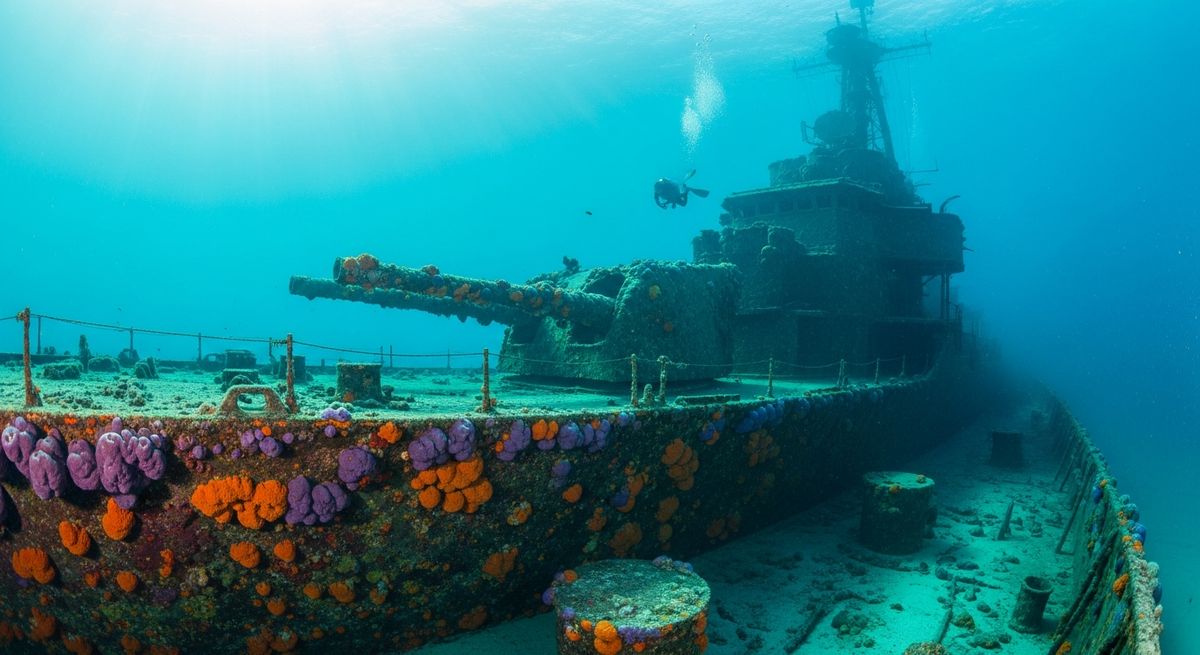
The *Camilla* is one of our absolute favourite Northumberland wreck dives, especially when we want a shallow potter. This wooden sailing vessel, sunk way back in 1872, is a real testament to how the sea reclaims things. You’ll find her broken up across a wide, flat area, with the larger timbers still holding a discernible ship shape. We love tracing the keel and ribs, imagining the hull plating that once held her together, now long gone. What makes the *Camilla* special, beyond her age, is the way the local marine life has utterly transformed her. Look closely and you’ll spot plumose anemones clinging to every surface, waving like delicate white flowers in the surge. Crab species, often sizeable edible crabs and velvet swimmers, scuttle among the broken frames, eyeing you suspiciously from the shadows. It’s a great spot for photographers keen on macro subjects, especially with the decent ambient light filtering down to 9 metres. On a day with good visibility, perhaps 5-8 metres, the whole site feels incredibly atmospheric. Just remember, strong currents can sweep through here, so pick a slack tide for the most relaxed dive.
Typical CAMILLA Dive Profile
Illustrative profile based on site depth and type. Actual dive profiles vary - always follow your dive computer and training.
Safety Notes
Wreck site - avoid penetration without wreck diving certification. Watch for sharp metal and entanglement hazards.
CAMILLA Wreck History
Year Sunk
1872
Vessel Type
sailing vessel
Cause
grounding
The Camilla was a 21-metre wooden sailing vessel, a typical workhorse of the seas in the mid-19th century. In the harsh winter of December 1872, while navigating the notoriously treacherous Northumberland coast, the ship ran into trouble. It ultimately stranded and was lost to the sea, a fate shared by countless other vessels of the era that battled the unforgiving coastline and powerful North Sea storms. The ship and its cargo were swallowed by the waves, leaving behind a wreck that now serves as a window into a bygone era of maritime trade.
Lying in just 9 metres of water, the remains of the Camilla offer a shallow but fascinating dive. As a wooden vessel wrecked over 150 years ago, the main structure has long since collapsed and scattered. Divers will not find an intact ship, but rather an archaeological site spread across the seabed. Exploring the area reveals timbers, ballast stones, and perhaps small, encrusted artifacts from 1872. It's a dive into history, a chance to connect with the age of sail and the perils faced by its mariners.
Nearest Dive Centres to CAMILLA
Dive shops near CAMILLA
Aquaventurers
Delph Watersports Centre
Blue Planet Aquarium
Blackpool Area Diving Centre
Shipmates
Fins Scuba
Reviews for CAMILLA
Conditions
Ocean conditions, forecast and tides for CAMILLA
Plan & book
Ways to dive Northumberland & Northeast, from day trips to liveaboards.
Day trips & courses
via GetYourGuideGuided dives, courses and snorkel trips with instant booking.
Find dive trips in Northumberland & NortheastPlaces to stay
via Booking.comHotels and dive resorts near Northumberland & Northeast.
Search stays in Northumberland & NortheastDive insurance
Most travel insurance excludes or limits scuba. Check what you need before you go.
Dive insurance explainedPartner links: we may earn a commission if you book, at no extra cost to you. How we make money
Where to Stay near CAMILLA
Prices from Booking.com. We may earn a commission at no extra cost to you.