COLLINGWOOD
Protected Area
Mersey Narrows
Why dive here
With 118+ marine species recorded in the area - including dolphins, dwarf minke whales, humpback whales, ocean sunfish (mola mola) and orcas - COLLINGWOOD offers some of Northumberland & Northeast's richest wreck diving.
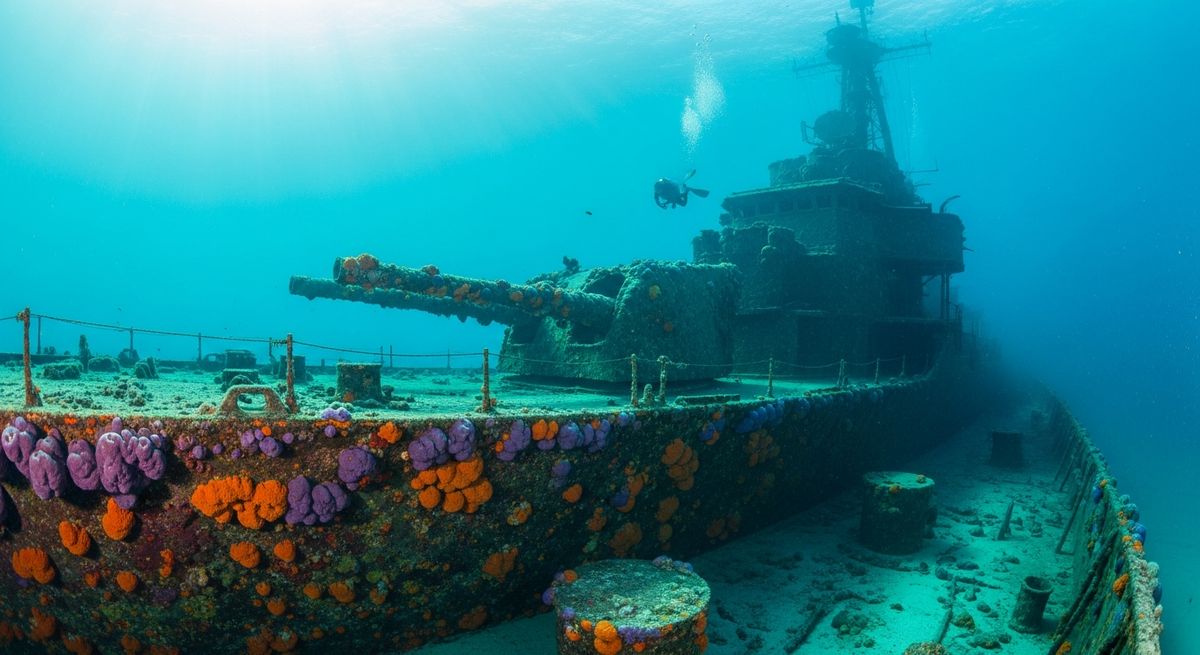
The Collingwood, a tug that met its end in a collision back in '57, is one of our favourite Northumberland wrecks. It’s shallow, only 8m, which makes for some lovely long bottom times, especially if you’re into photography or just enjoy a relaxed exploration. You’re looking at a manageable 28-metre vessel, not too big to feel overwhelming, but plenty to poke around. We love how much of the Collingwood is still intact, considering its age and location. The boiler is a real highlight, and we always find ourselves drawn to the bow, which often has a decent shoal of small fish darting about. The engine room is open enough to explore safely, and the growth on the deck plates offers some fantastic macro opportunities – think nudibranchs and tiny crabs tucked into every crevice. Visibility can be a typical North Sea mix, sometimes a bit murky, sometimes surprisingly clear, so pick your day carefully. We’ve found slack water around high tide often gives the best conditions. It's a great dive for anyone comfortable with limited visibility or newer to wreck diving, offering enough structure to be interesting without any tricky penetrations. Just remember, it was lifted after sinking, then scuttled again, so the orientation can feel a little surprising if you're expecting a pristine shipwreck.
Typical COLLINGWOOD Dive Profile
Illustrative profile based on site depth and type. Actual dive profiles vary - always follow your dive computer and training.
Safety Notes
Wreck site - avoid penetration without wreck diving certification. Watch for sharp metal and entanglement hazards.
Nearest Dive Centres to COLLINGWOOD
Dive shops near COLLINGWOOD
Aquaventurers
Blue Planet Aquarium
Shipmates
Delph Watersports Centre
Southsea Scuba
Diving & Marine Services
Reviews for COLLINGWOOD
Conditions
Ocean conditions, forecast and tides for COLLINGWOOD
Plan & book
Ways to dive Northumberland & Northeast, from day trips to liveaboards.
Day trips & courses
via GetYourGuideGuided dives, courses and snorkel trips with instant booking.
Find dive trips in Northumberland & NortheastPlaces to stay
via Booking.comHotels and dive resorts near Northumberland & Northeast.
Search stays in Northumberland & NortheastDive insurance
Most travel insurance excludes or limits scuba. Check what you need before you go.
Dive insurance explainedPartner links: we may earn a commission if you book, at no extra cost to you. How we make money
Where to Stay near COLLINGWOOD
Prices from Booking.com. We may earn a commission at no extra cost to you.