CONISTON (PROBABLY)
Protected Area
Ainsdale Sand Dunes
Why dive here
With 118+ marine species recorded in the area - including dolphins, dwarf minke whales, humpback whales, ocean sunfish (mola mola) and orcas - CONISTON (PROBABLY) offers some of Northumberland & Northeast's richest wreck diving.
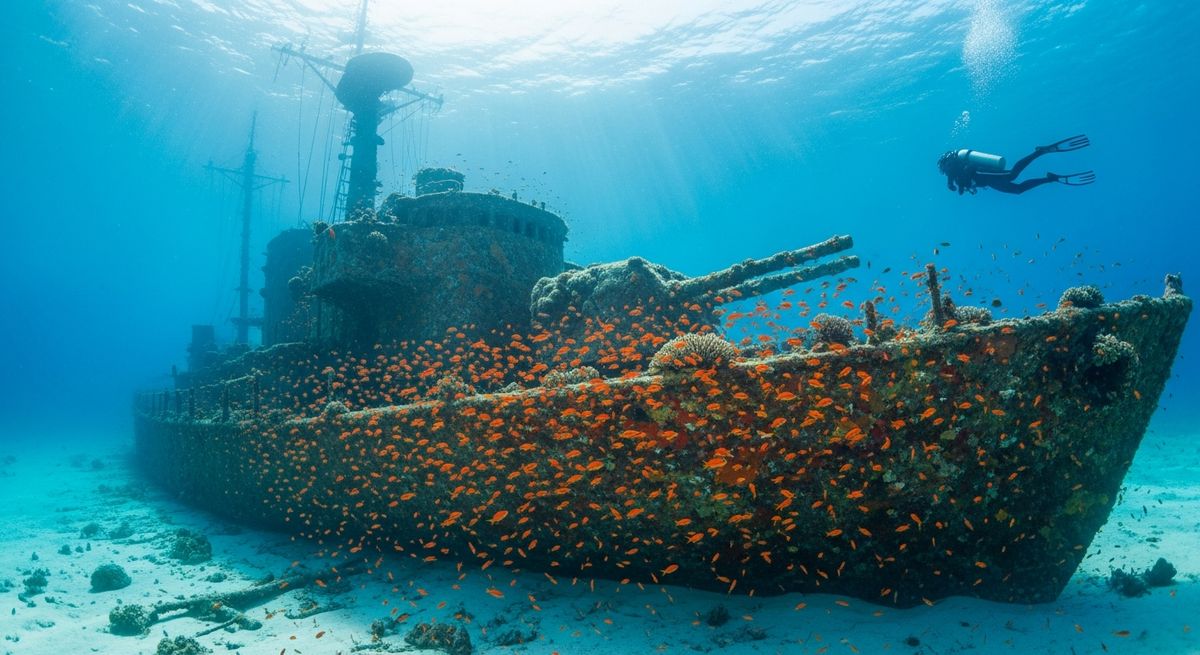
Coniston (Probably) is a quirky one, even by North East standards. We love a good mystery, and the "Probably" in its name just adds to the charm. This isn't a site for deep exploration, sitting shallow at 8 metres, but what it lacks in depth it makes up for in character. The wreck, an iron steamship that met its end rather dramatically in 1868, is a jumble of collapsed plates and frames. You'll find the boiler standing proud, a real focal point, and the single shaft is usually easy to spot. The whole site is blanketed in a beautiful orange and white growth of plumose anemones – they really soften the harshness of the iron, swaying gently in the mild surge. Look closely and you’ll often spot velvet swimming crabs scuttling amongst the wreckage, their eyes like tiny red jewels. It's a fantastic training ground for navigation and buoyancy, or just a relaxing bimble when you don't fancy a deep flog. We’d suggest diving it on a slack tide for the best views of those anemones. It's a great little wreck for those just getting into wreck diving or anyone who enjoys a peaceful dive with a bit of history attached.
Typical CONISTON (PROBABLY) Dive Profile
Illustrative profile based on site depth and type. Actual dive profiles vary - always follow your dive computer and training.
Safety Notes
Wreck site - avoid penetration without wreck diving certification. Watch for sharp metal and entanglement hazards.
Nearest Dive Centres to CONISTON (PROBABLY)
Dive shops near CONISTON (PROBABLY)
Blackpool Area Diving Centre
Aquaventurers
Delph Watersports Centre
Fins Scuba
Shipmates
Blue Planet Aquarium
Reviews for CONISTON (PROBABLY)
Conditions
Ocean conditions, forecast and tides for CONISTON (PROBABLY)
Plan & book
Ways to dive Northumberland & Northeast, from day trips to liveaboards.
Day trips & courses
via GetYourGuideGuided dives, courses and snorkel trips with instant booking.
Find dive trips in Northumberland & NortheastPlaces to stay
via Booking.comHotels and dive resorts near Northumberland & Northeast.
Search stays in Northumberland & NortheastDive insurance
Most travel insurance excludes or limits scuba. Check what you need before you go.
Dive insurance explainedPartner links: we may earn a commission if you book, at no extra cost to you. How we make money
Where to Stay near CONISTON (PROBABLY)
Prices from Booking.com. We may earn a commission at no extra cost to you.