DAILY MAIL
Protected Area
Mull of Galloway
Why dive here
With 118+ marine species recorded in the area - including dolphins, dwarf minke whales, humpback whales, ocean sunfish (mola mola) and orcas - DAILY MAIL offers some of Northumberland & Northeast's richest wreck diving.
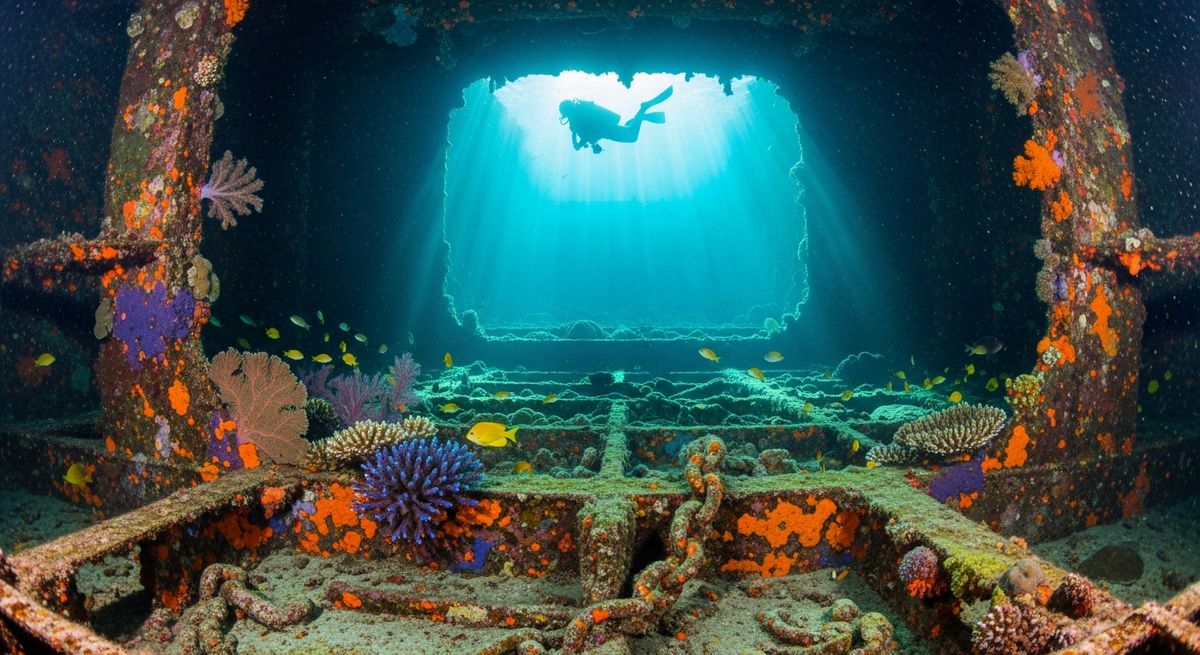
The *Daily Mail* isn't one for beginners, that's for sure. This wreck, a steel trawler that went down in 1931, sits exposed to the full force of the North Sea. It’s shallow, which often means surge and limited visibility, but that's part of its raw charm. We’ve been on days where you could barely make out the bow from the stern, yet even then, the sheer size of it as it looms out of the green gloom is impressive. What we love about the *Daily Mail* is its character. It’s not a pretty wreck, not in the traditional sense, but it’s packed with history and a rugged beauty. You can still trace the outline of its single boiler and the triple-expansion engine, imagining the effort it took to power this vessel. Our favourite times to dive it are on a slack tide, when the movement settles and the wreck comes alive with life. Cod often shelter in the deeper sections, and you’ll find crabs tucked into every crevice, scuttling away as your light passes over them. It’s a site for those who appreciate the industrial history of the North East, and aren’t afraid of a bit of a challenge.
Safety Notes
Wreck site - avoid penetration without wreck diving certification. Watch for sharp metal and entanglement hazards.
Reviews for DAILY MAIL
Conditions
Ocean conditions, forecast and tides for DAILY MAIL
Plan & book
Ways to dive Northumberland & Northeast, from day trips to liveaboards.
Day trips & courses
via GetYourGuideGuided dives, courses and snorkel trips with instant booking.
Find dive trips in Northumberland & NortheastPlaces to stay
via Booking.comHotels and dive resorts near Northumberland & Northeast.
Search stays in Northumberland & NortheastDive insurance
Most travel insurance excludes or limits scuba. Check what you need before you go.
Dive insurance explainedPartner links: we may earn a commission if you book, at no extra cost to you. How we make money
Where to Stay near DAILY MAIL
Prices from Booking.com. We may earn a commission at no extra cost to you.