DRUM HENDRY
Protected Area
Ravenmeols Hills
Why dive here
With 118+ marine species recorded in the area - including dolphins, dwarf minke whales, humpback whales, ocean sunfish (mola mola) and orcas - DRUM HENDRY offers some of Northumberland & Northeast's richest wreck diving.
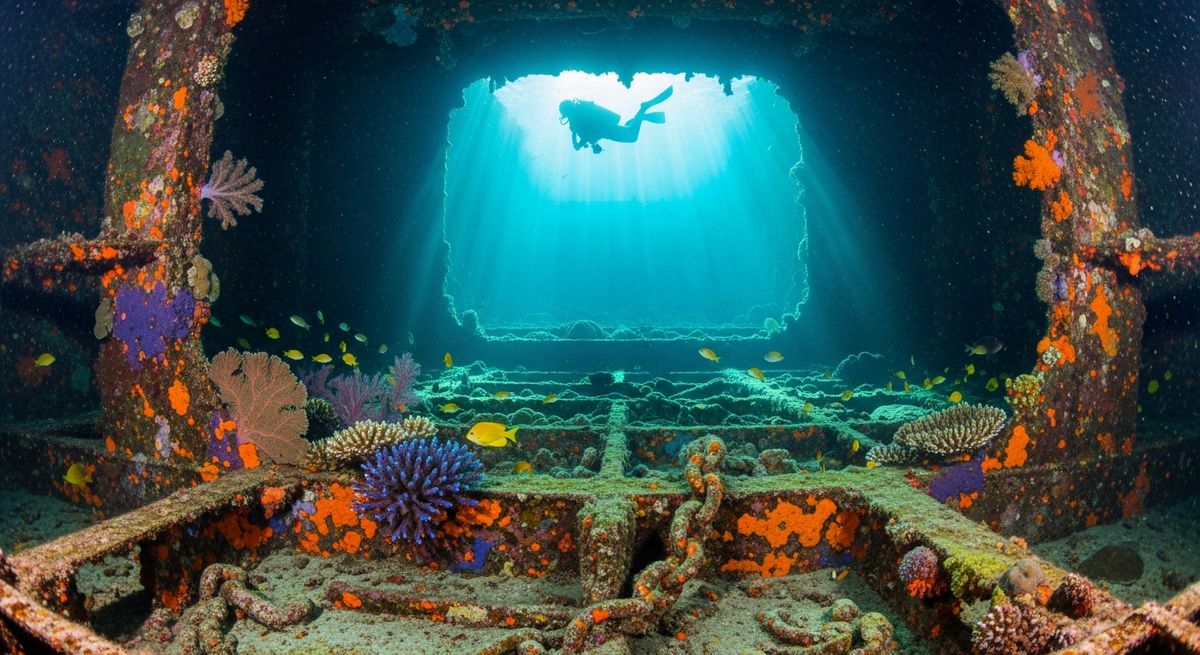
The Drum Hendry, a steamship lost in 1891, sits in only seven metres of water, making it a cracking dive for a relaxed afternoon. We love how accessible she is; it’s a brilliant introduction to wreck diving, especially for those who want to build confidence before tackling deeper, more exposed sites. You’ll find the iron hull largely broken up, but the bones of the ship are still very much there, particularly a prominent boiler that really anchors the site. Spend your time exploring the scattered plates and twisted metal, imagining the ship's past hauling cargo for Nobel's Explosive Co. We've often seen curious wrasse darting in and out of the nooks and crannies, and sometimes a sneaky crab peeking from beneath a collapsed bulkhead. The ambient light at this shallow depth makes everything feel quite peaceful, even when there's a bit of swell rolling over. Our top tip: dive it around slack water on a calm day for the best visibility. It’s a site that really rewards a slow, methodical poke around.
Typical DRUM HENDRY Dive Profile
Illustrative profile based on site depth and type. Actual dive profiles vary - always follow your dive computer and training.
Safety Notes
Wreck site - avoid penetration without wreck diving certification. Watch for sharp metal and entanglement hazards.
Nearest Dive Centres to DRUM HENDRY
Dive shops near DRUM HENDRY
Aquaventurers
Delph Watersports Centre
Blue Planet Aquarium
Shipmates
Blackpool Area Diving Centre
Fins Scuba
Reviews for DRUM HENDRY
Conditions
Ocean conditions, forecast and tides for DRUM HENDRY
Plan & book
Ways to dive Northumberland & Northeast, from day trips to liveaboards.
Day trips & courses
via GetYourGuideGuided dives, courses and snorkel trips with instant booking.
Find dive trips in Northumberland & NortheastPlaces to stay
via Booking.comHotels and dive resorts near Northumberland & Northeast.
Search stays in Northumberland & NortheastDive insurance
Most travel insurance excludes or limits scuba. Check what you need before you go.
Dive insurance explainedPartner links: we may earn a commission if you book, at no extra cost to you. How we make money
Where to Stay near DRUM HENDRY
Prices from Booking.com. We may earn a commission at no extra cost to you.