DUNDALK
Protected Area
North Anglesey Marine / Gogledd Môn Forol
Why dive here
With 118+ marine species recorded in the area - including dolphins, dwarf minke whales, humpback whales, ocean sunfish (mola mola) and orcas - DUNDALK offers some of Northumberland & Northeast's richest wreck diving.
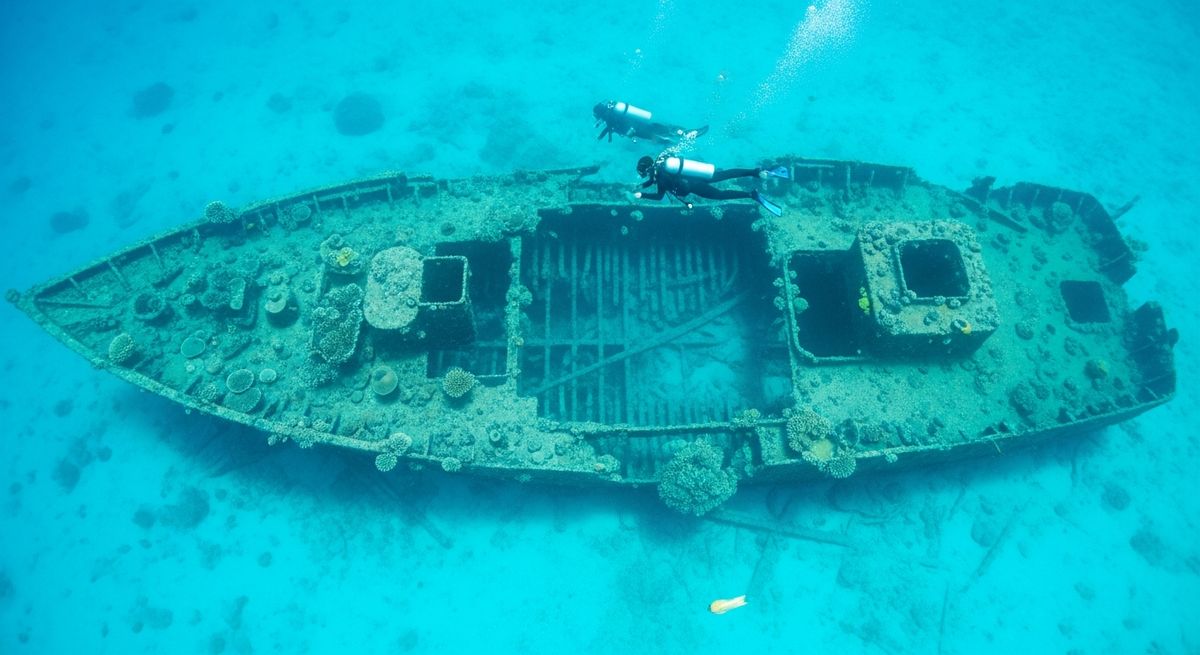
The Dundalk is a serious piece of history, resting upright on the seabed at 50 metres, which makes it a standout for technical divers in the North East. We love diving this wreck when the conditions align, usually on a slack tide on a neap to avoid the worst of the North Sea's push. Dropping down, the first thing you notice is the sheer scale – 71 metres of steamship, remarkably intact for a vessel sunk over a century ago. The twin boilers are a particular highlight, massive iron structures now completely encrusted with plumose anemones, creating a soft, feathery landscape. We've spent many a decompression stop just hovering, watching the current gently sway their tentacles. Look closely and you’ll find the resident crabs and blennies tucked into every crevice. Our favourite spot is the stern, where the twin shafts and propellers are still clearly visible, often attracting inquisitive wolffish patrolling the perimeter. This is a dive for those comfortable with depth and overhead environments, offering a real sense of discovery rather than just observation.
Typical DUNDALK Dive Profile
Illustrative profile based on site depth and type. Actual dive profiles vary - always follow your dive computer and training.
Safety Notes
Maximum depth 50m exceeds recreational limits (40m). Technical diving certification and equipment required.
Wreck site - avoid penetration without wreck diving certification. Watch for sharp metal and entanglement hazards.
Always perform a 3-minute safety stop at 5m before surfacing.
Nearest Dive Centres to DUNDALK
Dive shops near DUNDALK
View all dive centres in Northumberland & NortheastReviews for DUNDALK
Conditions
Ocean conditions, forecast and tides for DUNDALK
Plan & book
Ways to dive Northumberland & Northeast, from day trips to liveaboards.
Day trips & courses
via GetYourGuideGuided dives, courses and snorkel trips with instant booking.
Find dive trips in Northumberland & NortheastPlaces to stay
via Booking.comHotels and dive resorts near Northumberland & Northeast.
Search stays in Northumberland & NortheastDive insurance
Most travel insurance excludes or limits scuba. Check what you need before you go.
Dive insurance explainedPartner links: we may earn a commission if you book, at no extra cost to you. How we make money
Where to Stay near DUNDALK
Prices from Booking.com. We may earn a commission at no extra cost to you.