EBENEEZER
Protected Area
Ravenmeols Hills
Why dive here
With 118+ marine species recorded in the area - including dolphins, dwarf minke whales, humpback whales, ocean sunfish (mola mola) and orcas - EBENEEZER offers some of Northumberland & Northeast's richest wreck diving.
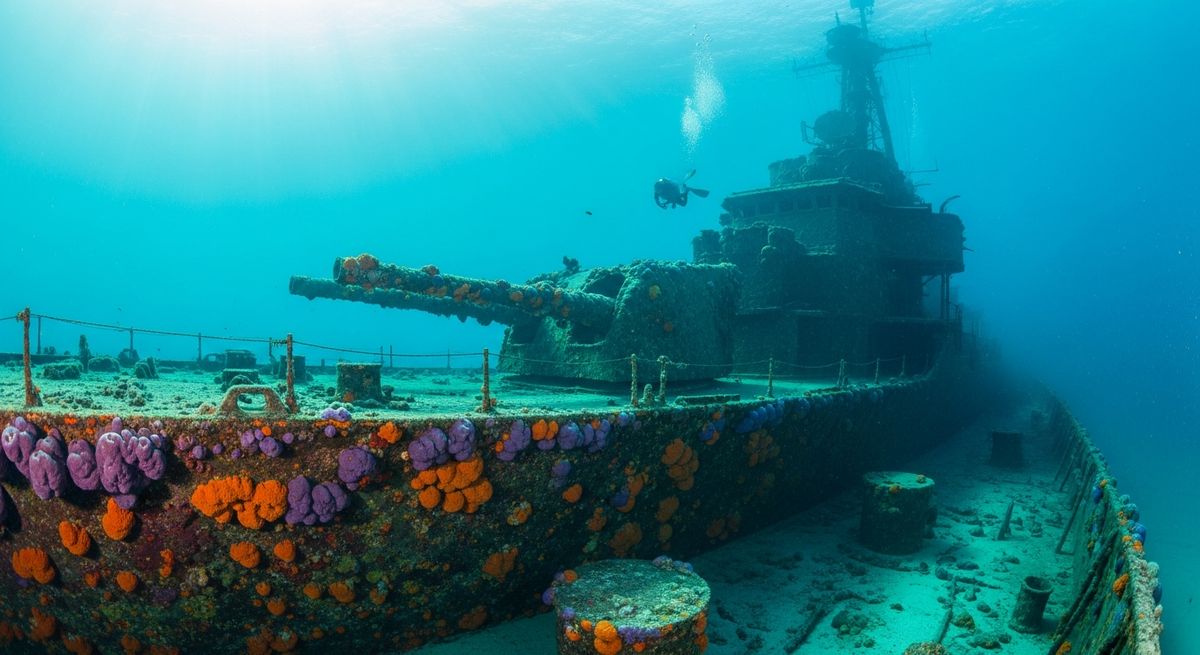
Ebenezer isn't about depth or dramatic currents, and that’s precisely why we love it. This is a brilliant little wooden sailing vessel, sunk in 1904, now lying flat on a sandy seabed at just 7 metres. It's a proper rummage dive, perfect for extended bottom times and really picking over the bones of a ship. You'll find ribs of timber emerging from the sand, bits of deck planking, and often the anchor chain snaking away. The low depth means the light penetration is usually fantastic, even on a cloudy day, picking out the detail on the barnacle-encrusted wood. Our favourite part is spotting the flatfish, often plaice or dab, camouflaged perfectly against the sand right next to a piece of the wreck. Look for blennies darting between the timbers and tiny crabs scuttling in the crevices. It’s a photographer's dream for macro shots and capturing the subtle beauty of a gentle wreck. We’d suggest timing your dive for slack water, as even a mild current can kick up the sand here, making visibility a bit of a challenge. It's a site that rewards patience and a keen eye, ideal for newer divers or anyone who just wants a peaceful, unhurried exploration.
Typical EBENEEZER Dive Profile
Illustrative profile based on site depth and type. Actual dive profiles vary - always follow your dive computer and training.
Safety Notes
Wreck site - avoid penetration without wreck diving certification. Watch for sharp metal and entanglement hazards.
Nearest Dive Centres to EBENEEZER
Dive shops near EBENEEZER
Aquaventurers
Delph Watersports Centre
Blue Planet Aquarium
Shipmates
Blackpool Area Diving Centre
Fins Scuba
Reviews for EBENEEZER
Conditions
Ocean conditions, forecast and tides for EBENEEZER
Plan & book
Ways to dive Northumberland & Northeast, from day trips to liveaboards.
Day trips & courses
via GetYourGuideGuided dives, courses and snorkel trips with instant booking.
Find dive trips in Northumberland & NortheastPlaces to stay
via Booking.comHotels and dive resorts near Northumberland & Northeast.
Search stays in Northumberland & NortheastDive insurance
Most travel insurance excludes or limits scuba. Check what you need before you go.
Dive insurance explainedPartner links: we may earn a commission if you book, at no extra cost to you. How we make money
Where to Stay near EBENEEZER
Prices from Booking.com. We may earn a commission at no extra cost to you.