EMPIRE BAY
Protected Area
Teesmouth and Cleveland Coast
Why dive here
With 118+ marine species recorded in the area - including dolphins, dwarf minke whales, humpback whales, ocean sunfish (mola mola) and orcas - EMPIRE BAY offers some of Northumberland & Northeast's richest wreck diving.
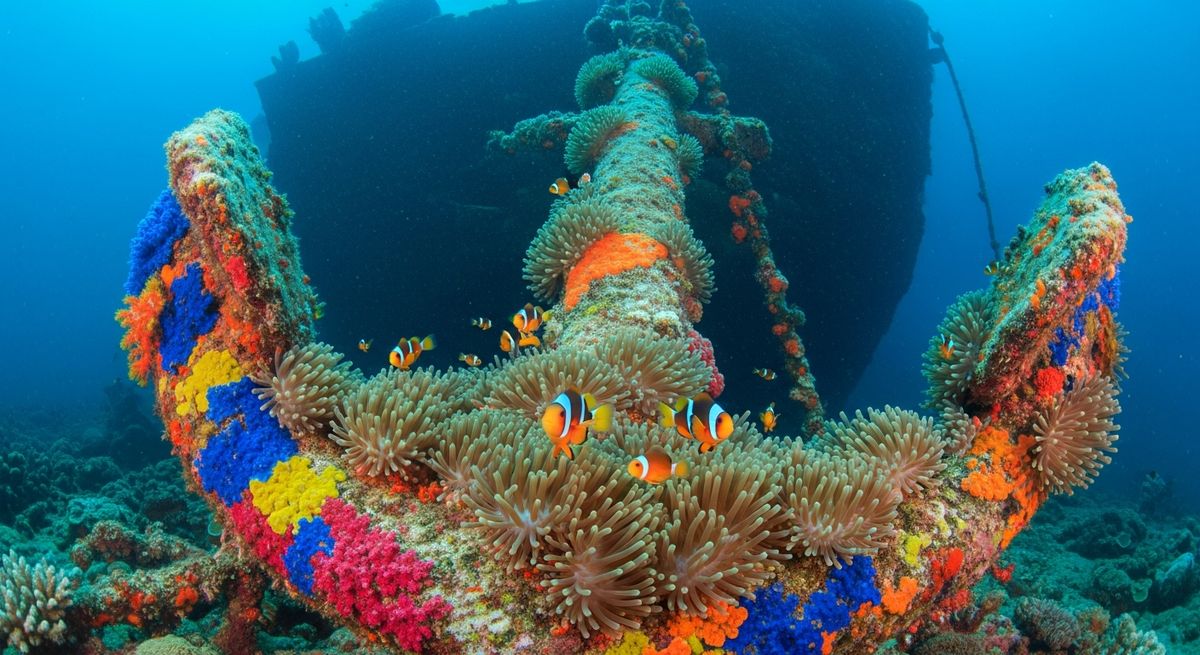
We always come back to Empire Bay, a proper piece of history resting just off the Northumberland coast. It's a fantastic dive, especially if you love a bit of structure and atmosphere. Dropping onto her, you immediately feel the scale of this steamship, sunk back in '42. The bow section is our favourite part, just bursting with nooks and crannies. You can swim through some of the cargo holds, imagining the goods she once carried, and the twin boilers really stand out, looming large in the low visibility. Visibility can be a real North Sea lottery, but when it’s good, say 5-8 metres, the Empire Bay absolutely shines. Even on an average day, the sheer density of life clinging to the metal is impressive. Crabs scuttle from every dark corner, plump lobsters peek from beneath plates, and we’ve seen some seriously large cod cruising the deck. It’s a site that tells a story, a poignant reminder of wartime losses, but now a thriving ecosystem. We'd suggest this one for advanced open water divers comfortable with low visibility and a bit of current; it’s not particularly deep at 14 metres, but you need to be mindful of entanglement and the occasional surge.
Typical EMPIRE BAY Dive Profile
Illustrative profile based on site depth and type. Actual dive profiles vary - always follow your dive computer and training.
Safety Notes
Wreck site - avoid penetration without wreck diving certification. Watch for sharp metal and entanglement hazards.
Always perform a 3-minute safety stop at 5m before surfacing.
Nearest Dive Centres to EMPIRE BAY
Dive shops near EMPIRE BAY
Denney Diving
Durham University Sub Aqua Society
Scuba Diver Training Ltd
Reviews for EMPIRE BAY
Conditions
Ocean conditions, forecast and tides for EMPIRE BAY
Plan & book
Ways to dive Northumberland & Northeast, from day trips to liveaboards.
Day trips & courses
via GetYourGuideGuided dives, courses and snorkel trips with instant booking.
Find dive trips in Northumberland & NortheastPlaces to stay
via Booking.comHotels and dive resorts near Northumberland & Northeast.
Search stays in Northumberland & NortheastDive insurance
Most travel insurance excludes or limits scuba. Check what you need before you go.
Dive insurance explainedPartner links: we may earn a commission if you book, at no extra cost to you. How we make money
Where to Stay near EMPIRE BAY
Prices from Booking.com. We may earn a commission at no extra cost to you.