GLENDUN
Protected Area
Laxey Bay
Why dive here
With 118+ marine species recorded in the area - including dolphins, dwarf minke whales, humpback whales, ocean sunfish (mola mola) and orcas - GLENDUN offers some of Northumberland & Northeast's richest wreck diving.
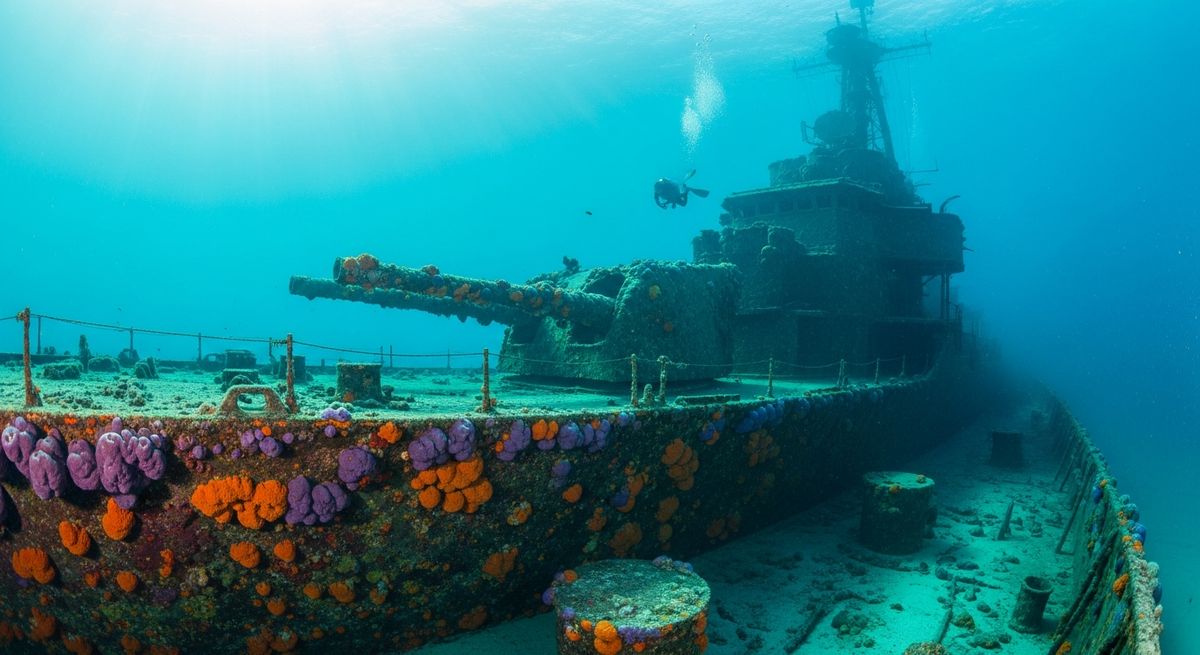
The Glendun sits upright, a real treat to swim over when the viz decides to play nice. We love how her bow points determinedly west, a ghostly compass on the seabed. She went down fast in 1940 after a mine strike, but much of her structure remains, a testament to her build. We often drop onto the stern, where the triple-expansion engine still dominates, a towering metal sculpture in the green North Sea light. The single boiler is surprisingly intact too, home to a decent number of cod and wrasse, always darting in and out of the riveted plates. Her machinery aft layout means a good chunk of the wreck is easily explored, even on shorter bottom times. You’ll weave through cargo holds, now just empty spaces but hinting at the ore she once carried. Look closely among the fallen plates and you’ll spot dogfish tucked away, their rough skins blending with the rust. This site truly shines on a slack tide with a bit of sunlight filtering down; the deck fittings become clearer, and the sheer scale of the Glendun reveals itself, an artificial reef thriving in the cool, nutrient-rich waters. It’s a solid dive for those who appreciate a well-preserved piece of maritime history.
Safety Notes
Wreck site - avoid penetration without wreck diving certification. Watch for sharp metal and entanglement hazards.
Nearest Dive Centres to GLENDUN
Dive shops near GLENDUN
View all dive centres in Northumberland & NortheastReviews for GLENDUN
Conditions
Ocean conditions, forecast and tides for GLENDUN
Plan & book
Ways to dive Northumberland & Northeast, from day trips to liveaboards.
Day trips & courses
via GetYourGuideGuided dives, courses and snorkel trips with instant booking.
Find dive trips in Northumberland & NortheastPlaces to stay
via Booking.comHotels and dive resorts near Northumberland & Northeast.
Search stays in Northumberland & NortheastDive insurance
Most travel insurance excludes or limits scuba. Check what you need before you go.
Dive insurance explainedPartner links: we may earn a commission if you book, at no extra cost to you. How we make money
Where to Stay near GLENDUN
Prices from Booking.com. We may earn a commission at no extra cost to you.