GULF OF ST VINCENT
Protected Area
Carmel Head
Why dive here
With 118+ marine species recorded in the area - including dolphins, dwarf minke whales, humpback whales, ocean sunfish (mola mola) and orcas - GULF OF ST VINCENT offers some of Northumberland & Northeast's richest wreck diving.
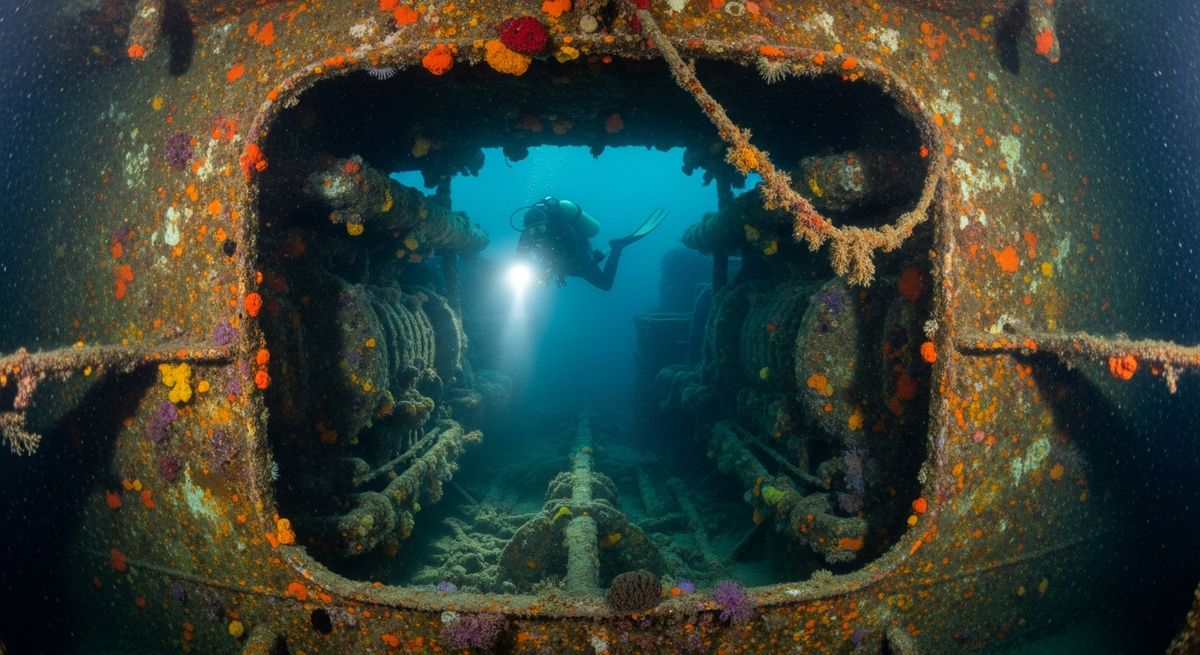
The *Gulf of St Vincent* isn't a dive you just stumble upon. This is a proper Northumberland wreck, sitting at 17m and built of iron in 1821. We love it because it’s a genuine piece of maritime history down there. She went down in 1890, and time, along with North Sea currents, has done its work. You'll find a substantial spread of wreckage, not a fully intact ship, but a real exploration. What remains is heavily encrusted, a testament to over a century on the seabed. We often find wolf fish tucked into crevices, their broad heads peeking out, and the usual suspects like edible crabs scuttling across the plates. Look out for the plumose anemones, they absolutely carpet some sections, swaying gently in any surge. Visibility can be a typical North Sea affair, but even on a murkier day, the sheer scale of the ironwork is impressive. It’s a dive for those who appreciate the story beneath the waves, a dive for curious wreckies, not necessarily for coral enthusiasts. Pick a neap tide, and you’ll have a much more relaxed rummage through the history.
Typical GULF OF ST VINCENT Dive Profile
Illustrative profile based on site depth and type. Actual dive profiles vary - always follow your dive computer and training.
Safety Notes
Wreck site - avoid penetration without wreck diving certification. Watch for sharp metal and entanglement hazards.
Always perform a 3-minute safety stop at 5m before surfacing.
Nearest Dive Centres to GULF OF ST VINCENT
Dive shops near GULF OF ST VINCENT
View all dive centres in Northumberland & NortheastReviews for GULF OF ST VINCENT
Conditions
Ocean conditions, forecast and tides for GULF OF ST VINCENT
Plan & book
Ways to dive Northumberland & Northeast, from day trips to liveaboards.
Day trips & courses
via GetYourGuideGuided dives, courses and snorkel trips with instant booking.
Find dive trips in Northumberland & NortheastPlaces to stay
via Booking.comHotels and dive resorts near Northumberland & Northeast.
Search stays in Northumberland & NortheastDive insurance
Most travel insurance excludes or limits scuba. Check what you need before you go.
Dive insurance explainedPartner links: we may earn a commission if you book, at no extra cost to you. How we make money
Where to Stay near GULF OF ST VINCENT
Prices from Booking.com. We may earn a commission at no extra cost to you.