GWYNFAEN
Protected Area
Porth Dinllaen I Borth Pistyll
Why dive here
With 118+ marine species recorded in the area - including dolphins, dwarf minke whales, humpback whales, ocean sunfish (mola mola) and orcas - GWYNFAEN offers some of Northumberland & Northeast's richest wreck diving.
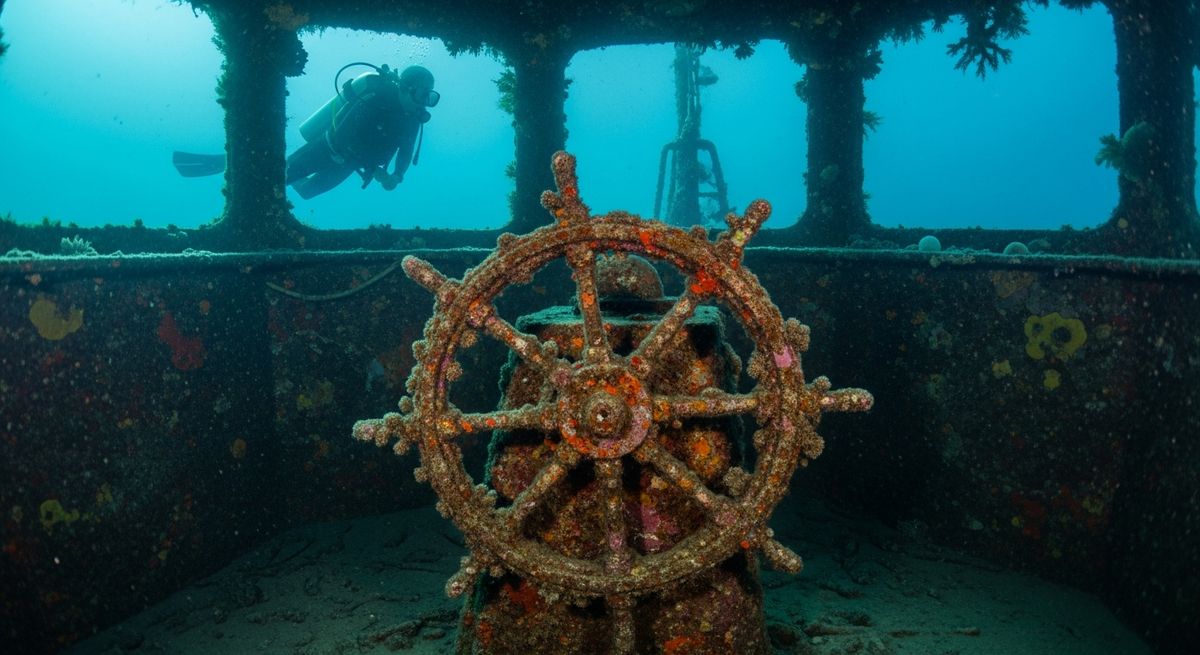
The *Gwynfaen* is one of our picks for a proper Northumberland wreck dive. She’s not huge, just 42 metres long, an iron steamer that went down in 1904. What we love about her is how intact she is for a wreck of her age in these waters. You drop down, and suddenly the bow looms out of the gloom, still quite proud, often silhouetted against the lighter surface if you time it right. We usually find the *Gwynfaen* sitting upright, and that’s a big part of her charm. The stern is a bit more broken up, but the midships, where the boiler stands, offers some great swim-throughs. Keep an eye out for the resident crabs that scuttle through the nooks and crannies – we’ve seen some hefty edible crabs here. Visibility can be a typical North Sea lottery, anything from a few metres to a decent 10, so pick your day. Slack water is key for a relaxed exploration, otherwise, you'll be battling a fair push. It's a great site for divers who appreciate history and don’t mind a bit of a current.
Typical GWYNFAEN Dive Profile
Illustrative profile based on site depth and type. Actual dive profiles vary - always follow your dive computer and training.
Safety Notes
Depth of 19m - Advanced Open Water certification recommended.
Wreck site - avoid penetration without wreck diving certification. Watch for sharp metal and entanglement hazards.
Always perform a 3-minute safety stop at 5m before surfacing.
Nearest Dive Centres to GWYNFAEN
Dive shops near GWYNFAEN
View all dive centres in Northumberland & NortheastReviews for GWYNFAEN
Conditions
Ocean conditions, forecast and tides for GWYNFAEN
Plan & book
Ways to dive Northumberland & Northeast, from day trips to liveaboards.
Day trips & courses
via GetYourGuideGuided dives, courses and snorkel trips with instant booking.
Find dive trips in Northumberland & NortheastPlaces to stay
via Booking.comHotels and dive resorts near Northumberland & Northeast.
Search stays in Northumberland & NortheastDive insurance
Most travel insurance excludes or limits scuba. Check what you need before you go.
Dive insurance explainedPartner links: we may earn a commission if you book, at no extra cost to you. How we make money
Where to Stay near GWYNFAEN
Prices from Booking.com. We may earn a commission at no extra cost to you.