HMS EUSTON
Protected Area
Teesmouth and Cleveland Coast
Why dive here
With 118+ marine species recorded in the area - including dolphins, dwarf minke whales, humpback whales, ocean sunfish (mola mola) and orcas - HMS EUSTON offers some of Northumberland & Northeast's richest wreck diving.
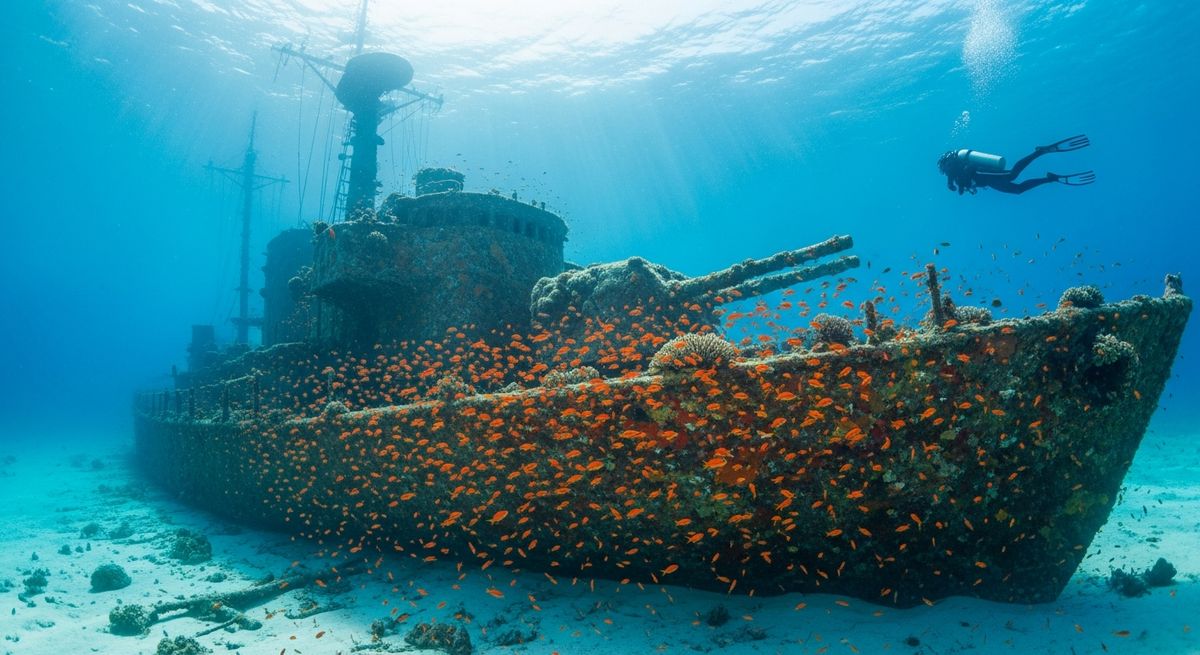
We’ve spent a fair few days poking around the Northeast wrecks, and the HMS Euston really stands out. At just 10 metres, it’s a brilliant dive for newer wreck enthusiasts or when you’re after a longer bottom time without pushing deco limits. The Euston, a trawler sunk back in 1917, now lies broken but still very much recognisable on the seabed. You can clearly make out her bow and stern sections, with a good chunk of the midships opened up, exposing the boiler. Our favourite part is the engine room. With a torch, you can peer inside and see glimpses of the triple expansion engine – it’s a tangible link to its past life as a working vessel. Schools of cod and pollock often drift lazily around the superstructure, and if you take your time, you’ll spot plenty of wrasse darting between the plates. Look closely for the nudibranchs that pepper the rust, a surprisingly delicate contrast to the rough steel. We always suggest trying to hit this one on a slack tide; the visibility here can be decent, but strong currents can stir things up quickly. It's an honest dive, rewarding those who appreciate history and the slow colonisation of steel by the sea.
Typical HMS EUSTON Dive Profile
Illustrative profile based on site depth and type. Actual dive profiles vary - always follow your dive computer and training.
Safety Notes
Wreck site - avoid penetration without wreck diving certification. Watch for sharp metal and entanglement hazards.
Nearest Dive Centres to HMS EUSTON
Dive shops near HMS EUSTON
Denney Diving
Durham University Sub Aqua Society
Scuba Diver Training Ltd
Reviews for HMS EUSTON
Conditions
Ocean conditions, forecast and tides for HMS EUSTON
Plan & book
Ways to dive Northumberland & Northeast, from day trips to liveaboards.
Day trips & courses
via GetYourGuideGuided dives, courses and snorkel trips with instant booking.
Find dive trips in Northumberland & NortheastPlaces to stay
via Booking.comHotels and dive resorts near Northumberland & Northeast.
Search stays in Northumberland & NortheastDive insurance
Most travel insurance excludes or limits scuba. Check what you need before you go.
Dive insurance explainedPartner links: we may earn a commission if you book, at no extra cost to you. How we make money
Where to Stay near HMS EUSTON
Prices from Booking.com. We may earn a commission at no extra cost to you.