HOPPER F
Protected Area
New Ferry
Why dive here
With 118+ marine species recorded in the area - including dolphins, dwarf minke whales, humpback whales, ocean sunfish (mola mola) and orcas - HOPPER F offers some of Northumberland & Northeast's richest wreck diving.
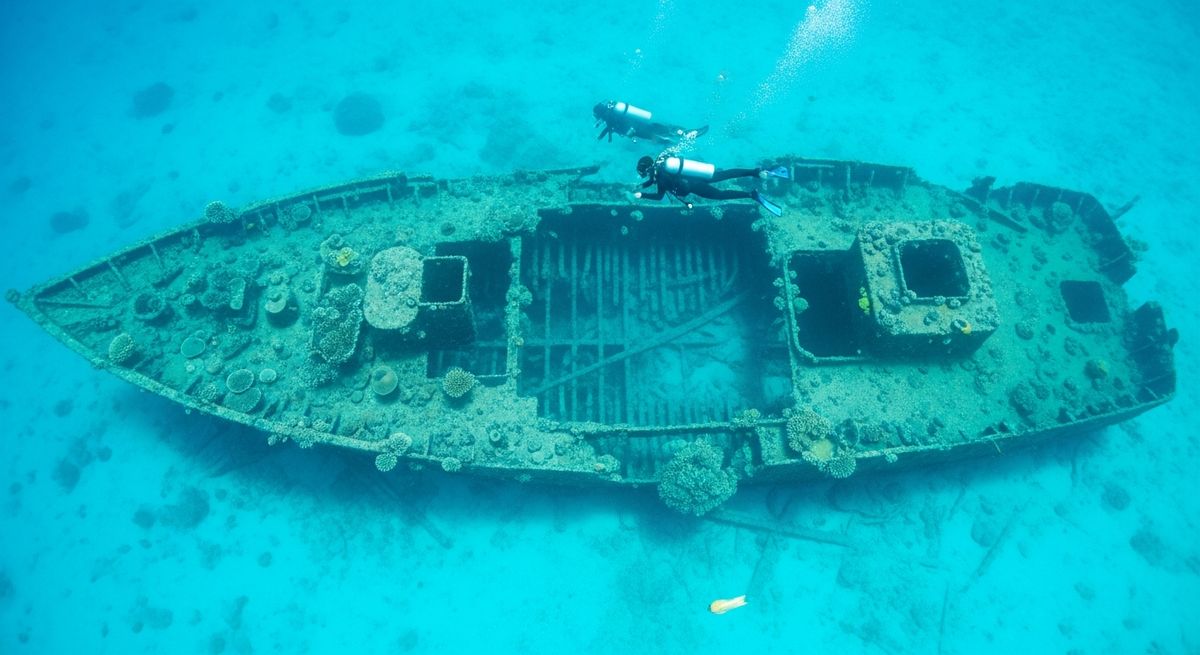
HOPPER F offers a surprising amount of atmosphere for a wreck lying in just two metres of water. We think it’s our pick for something a bit different, particularly if you fancy a change from deeper dives. This isn’t about huge fish or technicolour corals, it’s about the tangible history of a working vessel, built in 1924, then sunk in 1941 by a mine. The wreck itself is remarkably intact for its age and depth. You can make out the lines of the old barge, a distinct bow, and stern. What we really love are the details: the plates are corroded, but you can still touch the rivets, imagining the effort that went into her construction. Ling and cod often shelter in the darker sections, sometimes startling you as they dart out. The light here is fantastic on a sunny day, piercing the surface and illuminating the wreck in a way you rarely see on deeper sites. The visibility can be variable, as you'd expect in these shallows, so we'd suggest picking a calm day with minimal swell for the best experience. It's a dive that rewards slow exploration, looking for the smaller creatures making their home in the rusted metal.
Typical HOPPER F Dive Profile
Illustrative profile based on site depth and type. Actual dive profiles vary - always follow your dive computer and training.
Safety Notes
Wreck site - avoid penetration without wreck diving certification. Watch for sharp metal and entanglement hazards.
Nearest Dive Centres to HOPPER F
Dive shops near HOPPER F
Aquaventurers
Blue Planet Aquarium
Shipmates
Delph Watersports Centre
Southsea Scuba
Diving & Marine Services
Reviews for HOPPER F
Conditions
Ocean conditions, forecast and tides for HOPPER F
Plan & book
Ways to dive Northumberland & Northeast, from day trips to liveaboards.
Day trips & courses
via GetYourGuideGuided dives, courses and snorkel trips with instant booking.
Find dive trips in Northumberland & NortheastPlaces to stay
via Booking.comHotels and dive resorts near Northumberland & Northeast.
Search stays in Northumberland & NortheastDive insurance
Most travel insurance excludes or limits scuba. Check what you need before you go.
Dive insurance explainedPartner links: we may earn a commission if you book, at no extra cost to you. How we make money
Where to Stay near HOPPER F
Prices from Booking.com. We may earn a commission at no extra cost to you.