HUDIKSVALL
Protected Area
Carmel Head
Why dive here
With 118+ marine species recorded in the area - including dolphins, dwarf minke whales, humpback whales, ocean sunfish (mola mola) and orcas - HUDIKSVALL offers some of Northumberland & Northeast's richest wreck diving.
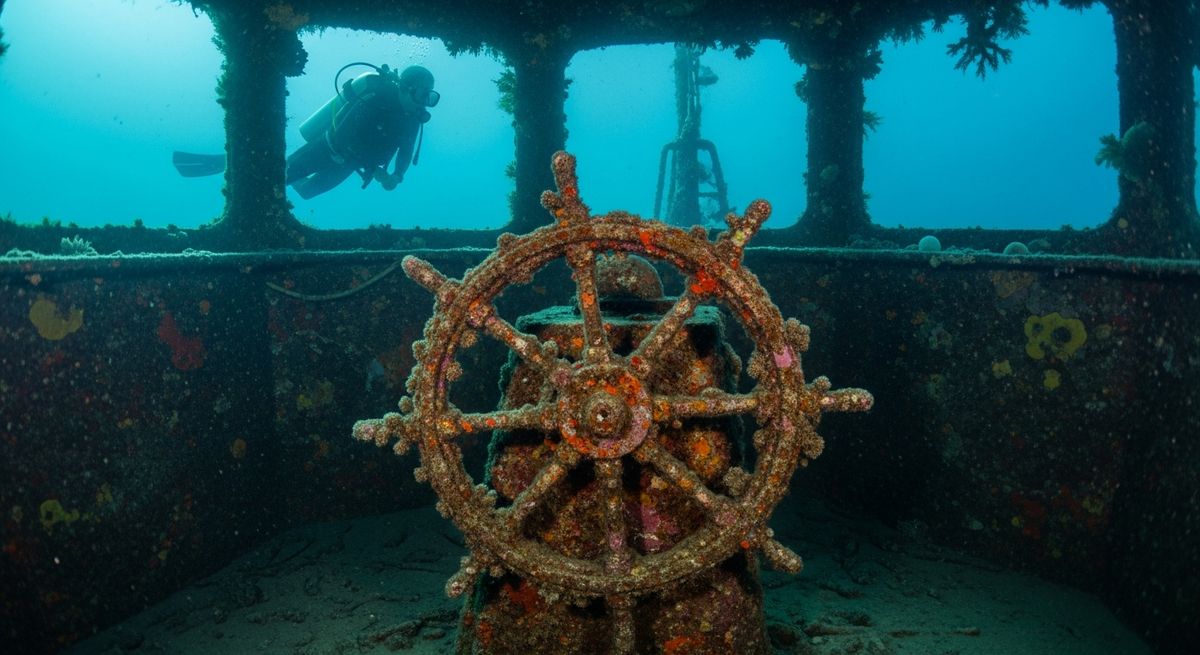
The Hudiksvall, lying off the Northumberland coast, is one of those wrecks we keep coming back to. It’s a proper ship, a 64-meter iron-hulled sailing vessel from 1867, and you really feel that history when you’re down there. She ran aground in a storm back in 1890, en route from Liverpool to New York, and now she’s broken into three main sections. We find the bow section the most interesting, with its huge anchor chain draped over the side and the occasional glimpse of the anchor itself. Visibility here can be a bit of a lottery, as you’d expect in the North Sea, but when it’s good, it’s excellent. We’ve had dives with 15 meters of clear green water, letting you see the scale of the iron ribs and plates. The stern section is more collapsed, but it’s a brilliant spot for finding conger eels – we’ve seen some absolute monsters tucked away in the darker crevices. Our favorite part, though, is the midships where you can often spot large schools of coalfish darting between the broken frames, almost silver against the dark iron. It’s a site for divers who appreciate maritime history and don’t mind a bit of current to explore a genuinely atmospheric wreck.
Safety Notes
Wreck site - avoid penetration without wreck diving certification. Watch for sharp metal and entanglement hazards.
Nearest Dive Centres to HUDIKSVALL
Dive shops near HUDIKSVALL
View all dive centres in Northumberland & NortheastReviews for HUDIKSVALL
Conditions
Ocean conditions, forecast and tides for HUDIKSVALL
Plan & book
Ways to dive Northumberland & Northeast, from day trips to liveaboards.
Day trips & courses
via GetYourGuideGuided dives, courses and snorkel trips with instant booking.
Find dive trips in Northumberland & NortheastPlaces to stay
via Booking.comHotels and dive resorts near Northumberland & Northeast.
Search stays in Northumberland & NortheastDive insurance
Most travel insurance excludes or limits scuba. Check what you need before you go.
Dive insurance explainedPartner links: we may earn a commission if you book, at no extra cost to you. How we make money
Where to Stay near HUDIKSVALL
Prices from Booking.com. We may earn a commission at no extra cost to you.