PENRHOS (PROBABLY)
Protected Area
Great Orme
Why dive here
With 118+ marine species recorded in the area - including dolphins, dwarf minke whales, humpback whales, ocean sunfish (mola mola) and orcas - PENRHOS (PROBABLY) offers some of Northumberland & Northeast's richest wreck diving.
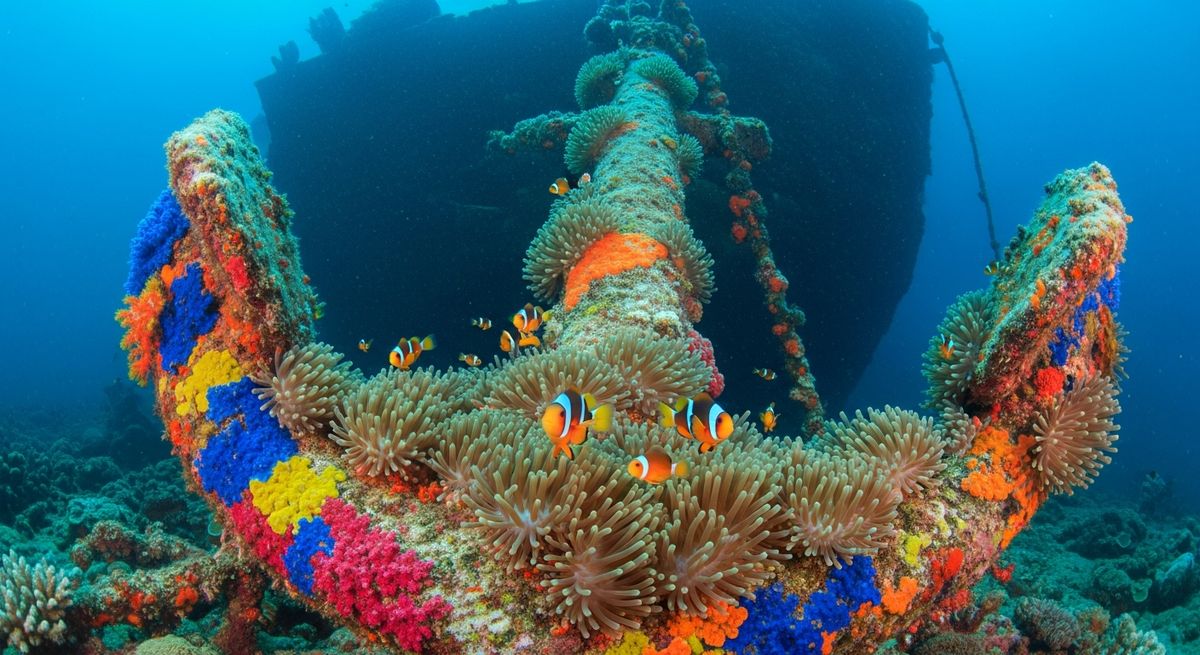
The Penrhos, well, probably the Penrhos, holds a quiet charm for those who appreciate a wreck with a story, even if that story is a little blurry. Lying in just 12 metres, it’s a site we find ourselves drawn back to, particularly on those calm, bright days when the North Sea decides to be kind. We love poking around the remains of this old steamer; it feels like stepping back in time, imagining life aboard before it met its end in 1942. What you get here is a surprisingly intact hull section, the ribs of the ship standing proud from the seabed. The visibility can be a bit variable, but when it’s good, the light filters down, illuminating the rusty metalwork. Ballan wrasse dart in and out of the plating, and we've often spotted lobsters tucked into crevices, their antennae waving lazily. It’s not a site for massive pelagics, but for macro enthusiasts and those who enjoy a contemplative wreck dive, it’s a winner. We’d suggest a slow, deliberate exploration, keeping an eye out for nudibranchs on the encrusting sponges and anemones that have made this wreck their home. For us, it’s a perfect second dive or a relaxed morning dip when you just want to soak in some history.
Typical PENRHOS (PROBABLY) Dive Profile
Illustrative profile based on site depth and type. Actual dive profiles vary - always follow your dive computer and training.
Safety Notes
Wreck site - avoid penetration without wreck diving certification. Watch for sharp metal and entanglement hazards.
Always perform a 3-minute safety stop at 5m before surfacing.
Nearest Dive Centres to PENRHOS (PROBABLY)
Dive shops near PENRHOS (PROBABLY)
BUSAC at Bangor University
Scuba Scape Ltd
Aquaventurers
Reviews for PENRHOS (PROBABLY)
Conditions
Ocean conditions, forecast and tides for PENRHOS (PROBABLY)
Plan & book
Ways to dive Northumberland & Northeast, from day trips to liveaboards.
Day trips & courses
via GetYourGuideGuided dives, courses and snorkel trips with instant booking.
Find dive trips in Northumberland & NortheastPlaces to stay
via Booking.comHotels and dive resorts near Northumberland & Northeast.
Search stays in Northumberland & NortheastDive insurance
Most travel insurance excludes or limits scuba. Check what you need before you go.
Dive insurance explainedPartner links: we may earn a commission if you book, at no extra cost to you. How we make money
Where to Stay near PENRHOS (PROBABLY)
Prices from Booking.com. We may earn a commission at no extra cost to you.