SPURN - Northumberland & Northeast

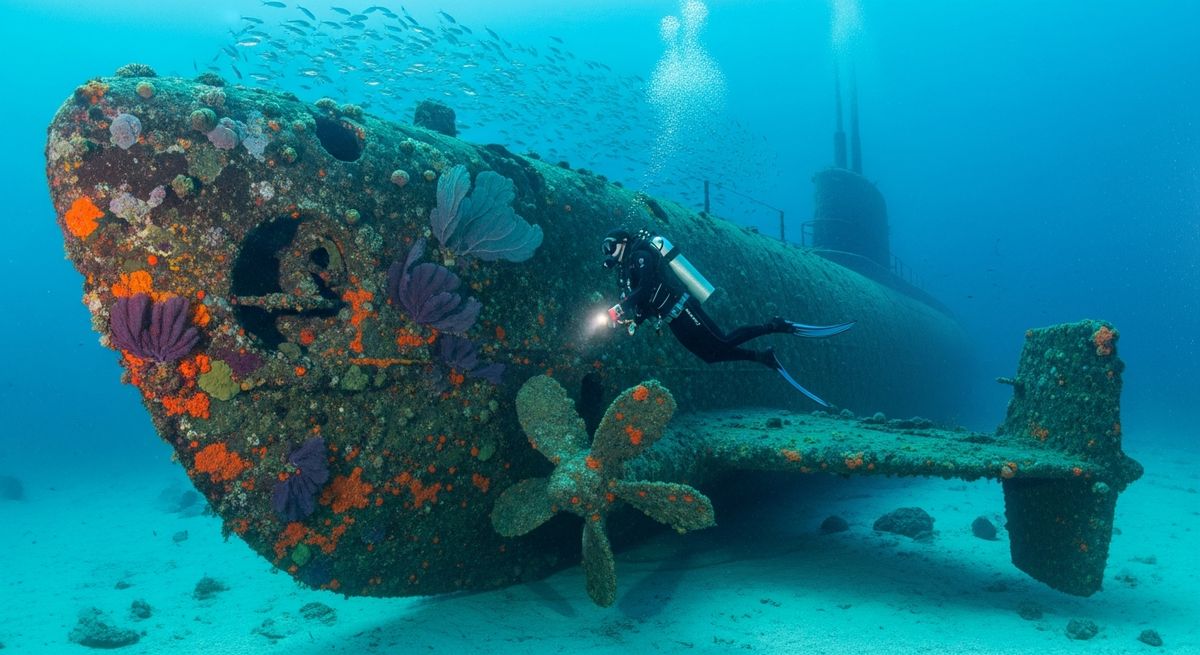
The Spurn, a tug that went down in 1923, offers a solid dive for anyone exploring the Northumberland coast. We usually drop onto the boiler first, it's pretty intact and a great reference point. From there, the wreck spreads out, with a fair bit of hull still standing proud, creating plenty of nooks and crannies for crabs and lobsters to hide. Visibility can be a typical North Sea affair, but even on an average day, the metalwork is well-colonised with anemones and the occasional feisty wrasse darting about. It’s a good one for a relaxed dive, no extreme depths, just a decent piece of history brought to life by the local marine residents.

Location
Northumberland & Northeast, United Kingdom, Mediterranean & Europe
Coordinates
53.533577, -3.151334
Type
wreck
Maximum Depth
0m

Marine Protected Area: Ravenmeols Hills

Nearby Dive Sites in Northumberland & Northeast

Nearest Dive Centres to SPURN

Marine Life in Northumberland & Northeast

Home to 132 recorded species including 53 reef fish, 15 whales & dolphins, 11 sharks & rays, 10 other, 10 seagrass & algae, 9 crabs & lobsters.

Notable Species

Frequently Asked Questions

What are the typical diving depths at Spurn Point?
The Spurn dive site is noted for a depth of 0m, indicating a very shallow wreck, potentially even partially exposed. This makes it accessible for various diving levels, though conditions can vary. Divers should always confirm current depth and site specifics with local dive operators before planning their trip.
What kind of marine life and underwater features can divers expect to see at Spurn?
At Spurn, divers can explore the remains of a 26m x 5.5m tug vessel, which sank on November 17, 1923. This wreck, built in 1907, features a single boiler and a triple expansion engine, offering interesting structural elements. While specific marine life isn't detailed, wrecks typically attract a variety of local species, making it a good spot for underwater photography.
How difficult is diving at Spurn Point, especially considering the currents?
Diving at Spurn is classified as intermediate difficulty, suggesting it's suitable for divers with some experience beyond basic open water. While current conditions are not explicitly provided, an intermediate rating often implies the need for good buoyancy control and preparedness for potentially varying water movement. Always consult local dive centers in Northumberland & Northeast for the latest conditions.
What is the best time of year to go scuba diving at Spurn for good conditions?
The provided data does not specify the best time of year to dive at Spurn for good conditions. For optimal diving experiences in the Northumberland & Northeast region, it is always recommended to consult local dive centers. They can provide insights into seasonal variations in water temperature, visibility, and weather patterns, which significantly influence diving conditions.
Are there any specific scuba diving certifications required to dive at Spurn Point?
Given that diving at Spurn is rated as intermediate difficulty, divers should possess at least an Advanced Open Water certification or equivalent experience. While no specific certifications are explicitly listed, an intermediate rating implies the need for skills beyond basic open water diving. Always check with local dive operators in Northumberland & Northeast for their specific requirements and recommendations.
What are the usual current conditions and visibility like for diving at Spurn?
The provided data for the Spurn dive site does not include specific details on usual current conditions or visibility. As it's an intermediate-difficulty wreck dive in the Northumberland & Northeast region, divers should anticipate potentially variable conditions. It is always best to consult with local dive operators immediately before your dive for the most up-to-date information on currents and visibility.