Wreck of St Vincent
Protected Area
Corsewall Point to Milleur Point
Why dive here
With 118+ marine species recorded in the area - including dolphins, dwarf minke whales, humpback whales, ocean sunfish (mola mola) and orcas - Wreck of St Vincent offers some of Northumberland & Northeast's richest wreck diving.
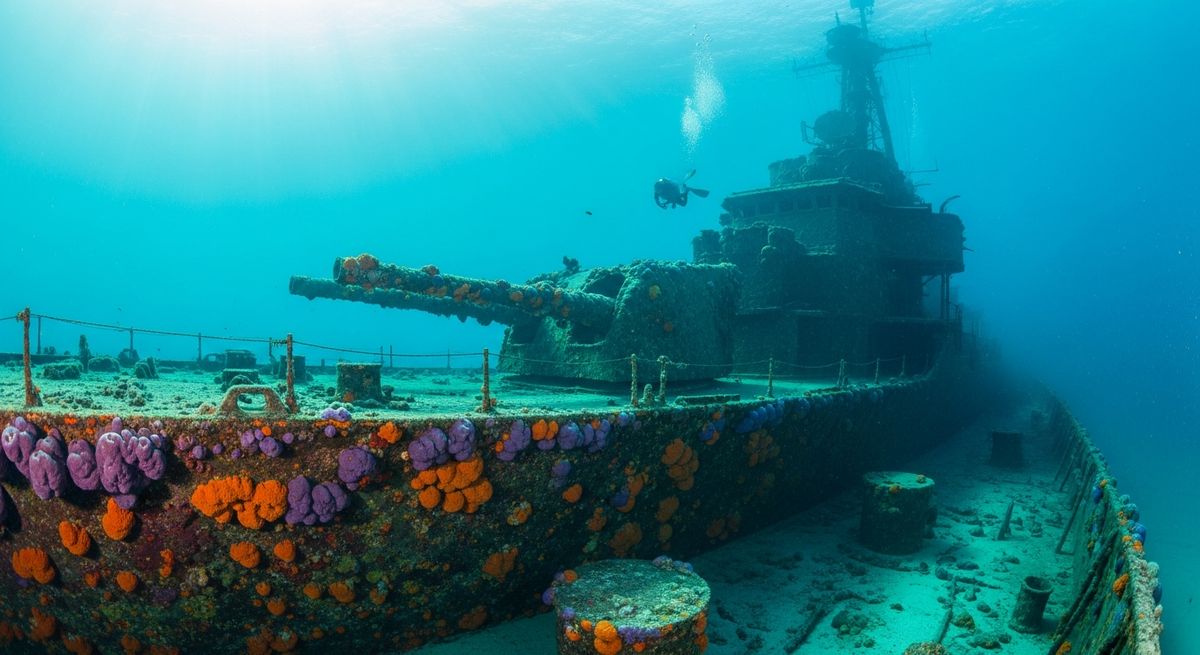
We love a bit of history in our diving, and the St. Vincent delivers. This isn’t one for the faint of heart, or indeed, the very new to wreck diving, as it’s often subject to strong currents and can be pretty dark down there. But for those with the experience, it’s a properly atmospheric dive. She’s broken up now, scattered over the seabed, but the sheer size of the plates and machinery gives you a real sense of her scale. We’ve finned past enormous boilers, a prop shaft that seems to go on forever, and the twisted remains of her superstructure, all now a haven for local critters. Visibility can swing wildly, but when it's good, you’ll spot hefty conger eels peeking from crevices and lobsters scuttling across the debris. The wreck is slowly being reclaimed by the North Sea, but barnacles and anemones cling to every surface, adding splashes of colour to the gloom. It’s a dive that rewards slow exploration, letting your torch beam pick out the details of a bygone era. Our advice? Pick your slack tide carefully and bring a good primary and backup light. The St. Vincent might be a tough old girl, but she’s certainly worth the effort.
Safety Notes
Wreck site - avoid penetration without wreck diving certification. Watch for sharp metal and entanglement hazards.
Reviews for Wreck of St Vincent
Conditions
Ocean conditions, forecast and tides for Wreck of St Vincent
Plan & book
Ways to dive Northumberland & Northeast, from day trips to liveaboards.
Day trips & courses
via GetYourGuideGuided dives, courses and snorkel trips with instant booking.
Find dive trips in Northumberland & NortheastPlaces to stay
via Booking.comHotels and dive resorts near Northumberland & Northeast.
Search stays in Northumberland & NortheastDive insurance
Most travel insurance excludes or limits scuba. Check what you need before you go.
Dive insurance explainedPartner links: we may earn a commission if you book, at no extra cost to you. How we make money
Where to Stay near Wreck of St Vincent
Prices from Booking.com. We may earn a commission at no extra cost to you.