Maui
Protected Area
Offshore Islets
Why dive here
Maui is a dive where divers can encounter blue sharks, sea turtles and sperm whales. Water ranges 25-28°C, warmest August, September, October.
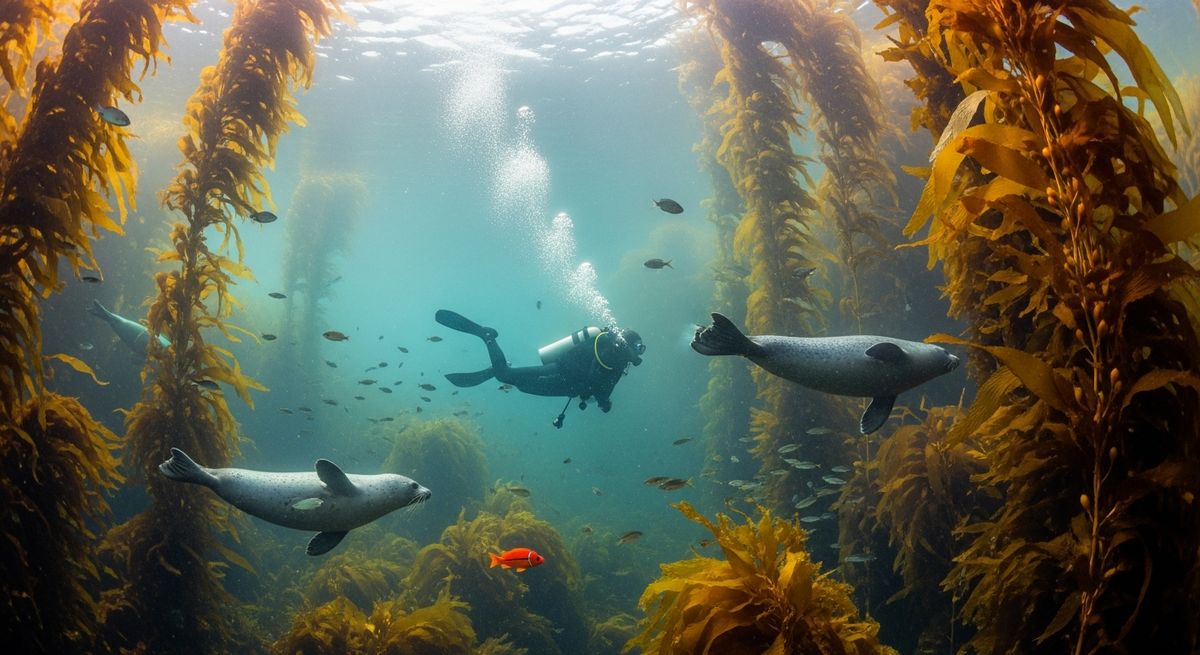
Maui's diving keeps us coming back, especially to the calmer leeward side. We love the easy access, often just a short boat ride or shore entry, meaning more time with the reef. It’s not about sheer depth here, maxing out around 16m, but about the density of endemic Hawaiian species. You’ll spend most dives just drifting along, spotting schools of ring-tailed surgeonfish and the electric blue flash of a Johnston Island damsel. Look closely and you might even find a shy carnelian cowry tucked into a crevice. The visibility averages a decent 19m, sometimes better, sometimes a bit cloudier after a big swell. We've had some fantastic encounters with oceanic manta rays gliding by in the deeper channels, a truly humbling experience. For us, the highlight is often simply watching the whitetip reef sharks resting under ledges or the playful antics of the numerous green sea turtles. If you’re into relaxed reef exploration with a strong chance of encountering larger pelagics, Maui is a solid bet.
Nearest Dive Centres to Maui
Dive shops near Maui
Snorkel Bob's
Maui Dive Shop
Maui Dreams Dive Co.
Scuba Luv Maui
Maui Under Sea Adventures
Maui Pacific Divers
Reviews for Maui
Conditions
Ocean conditions, forecast and tides for Maui
Maui Ocean Conditions
Monthly averages for Maui, sourced from Open-Meteo marine data + Copernicus Marine (EU) - nearest station: Open-Meteo marine grid (20.73, -156.95) (9km away)
October Averages
Sea Temperature
27°C
81°F · Range: 26.7–28.4°C
Current Speed
11.31 cm/s
Direction: NW (315°)
Chlorophyll-a
0.035 mg/m³
Very clear (oligotrophic)
Salinity
35.58 PSU
Based on 4 years of monitoring data · Data sources: Open-Meteo marine data + Copernicus Marine (EU)
Plan & book
Ways to dive Hawaii, from day trips to liveaboards.
Day trips & courses
via GetYourGuideGuided dives, courses and snorkel trips with instant booking.
Find dive trips in HawaiiPlaces to stay
via Booking.comHotels and dive resorts near Hawaii.
Search stays in HawaiiDive insurance
Most travel insurance excludes or limits scuba. Check what you need before you go.
Dive insurance explainedPartner links: we may earn a commission if you book, at no extra cost to you. How we make money
Where to Stay near Maui
Prices from Booking.com. We may earn a commission at no extra cost to you.