
Diving in United States
Why dive here
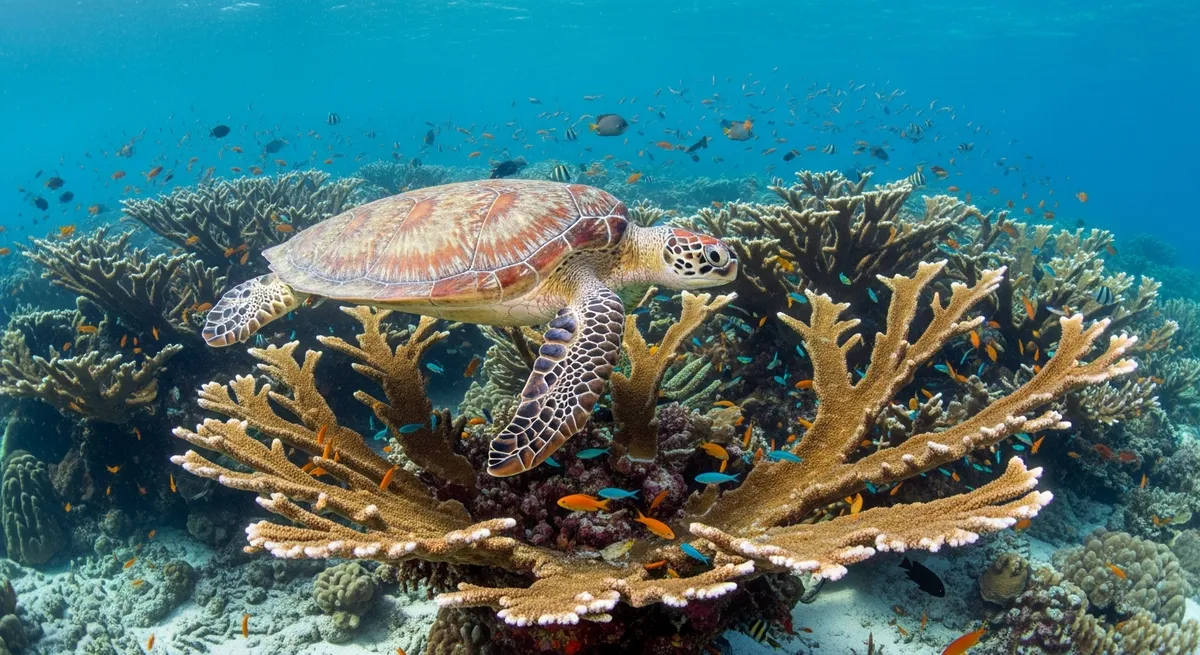
United States offers rich diving, with 274+ marine species recorded in its waters - including blue sharks, blue whales, bull sharks, dolphins and hammerhead sharks. Water ranges 17-26°C, warmest July, August, September.
The sheer scale of diving in the United States often catches people off guard. We’re talking about everything from icy wrecks in the Great Lakes to lava tubes in Hawaii, and that's just scratching the surface. For warm water fans, the Florida Keys offer classic reef diving with barracuda and tarpon, while the freshwater springs inland are a completely unique experience, where you can drift past manatees. If you like it cooler, California’s kelp forests are truly special, a chance to swim with playful sea lions in a golden, swaying underwater forest. We’d suggest summer or early fall for the best conditions across most regions, though the Keys are good year-round.
United States Dive Regions Map
United States Dive Regions
12 diving areas in United States
Alaska
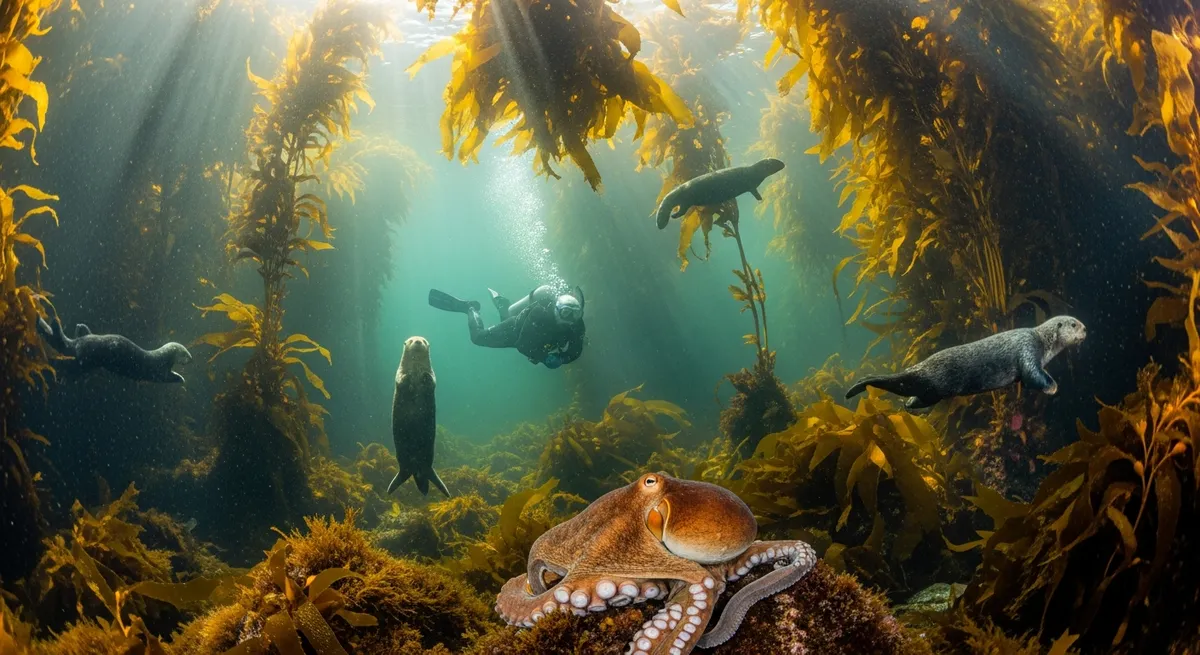
Okay, Alaska. Let's just be clear: this isn't your average warm-water escape. This is serious cold-water diving, often extreme, and it demands respect. But if you're prepared, the rewards are genuinely unlike anywhere else we've been. Picture yourself descending into thick kelp forests, the fronds swaying like ancient underwater trees, while sea otters frolic nearby, completely oblivious to your presence. We love the sheer wildness of it here, the feeling of diving in genuinely untouched waters where every dive feels like an exploration. Our favorite experiences often involve encounters with Steller sea lions, their immense size and curious nature making for truly exhilarating dives. The visibility can be surprisingly good, sometimes stretching 20 meters, letting you appreciate the scale of the underwater landscape, from rugged pinnacles to deep reefs. You'll find a world dominated by various nudibranchs, wolf eels peeking from their lairs, and a surprising array of invertebrates like the vibrant parrot shrimp or the peculiar four-spined squat lobster. Don't forget Dutch Harbor for some fascinating WWII wreck diving, a stark contrast to the natural beauty but equally compelling. This isn't a place for casual divers; currents can be strong, and the water is always cold, even in summer. But for those seeking something raw, wild, and utterly unique, Alaska delivers.
California
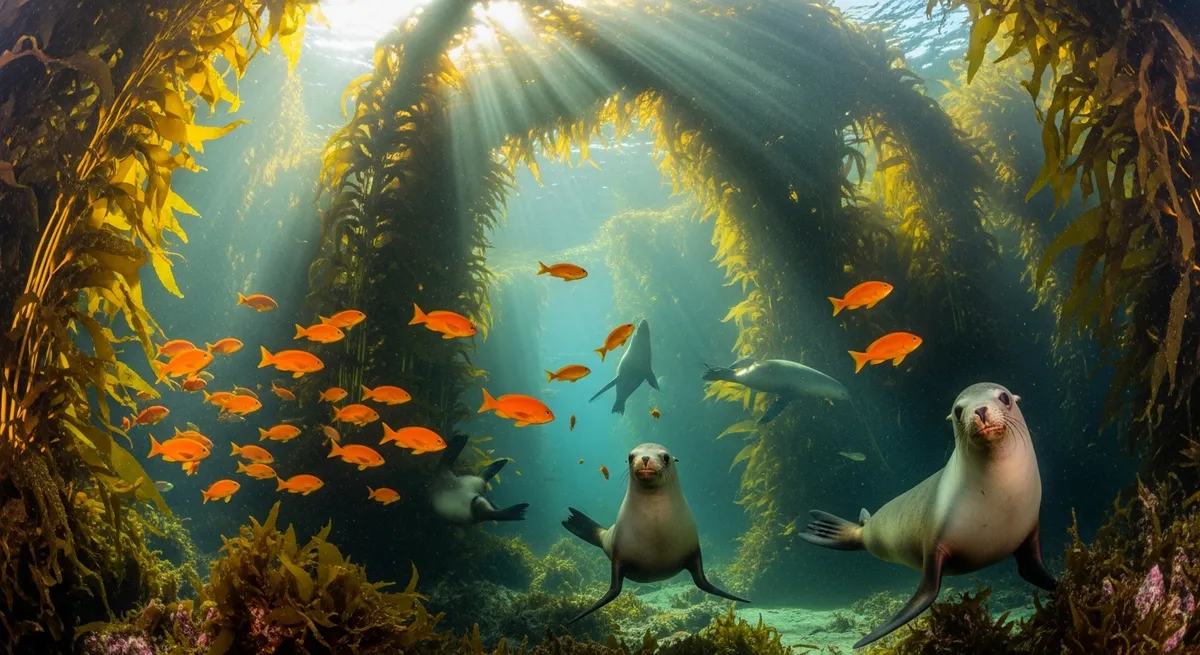
California diving, for us, is all about the kelp. Forget your tropical corals for a moment; the sensation of drifting through a towering kelp forest, light dappling through the canopy, is something else entirely. We're talking the Channel Islands, where the giant kelp sways like a hypnotic underwater cathedral. You'll often find sea lions zipping playfully through the fronds, their inquisitive eyes checking you out. Monterey Bay offers a different vibe, often a bit chillier but equally rewarding. The sheer volume of life you find in that marine sanctuary is astounding. Think nudibranchs in every colour imaginable, grumpy-looking lingcod peering from crevices, and the occasional curious harbor seal. La Jolla, further south, has its seasonal draw: leopard sharks gathering in the shallows during late summer and early autumn. It's a surreal experience to fin gently among dozens of these docile creatures. Currents can be a factor, especially at the Channel Islands, so it’s wise to pick your days and chat with the local dive operators. We always pack an extra layer for surface intervals here, even on sunny days.
Florida Keys
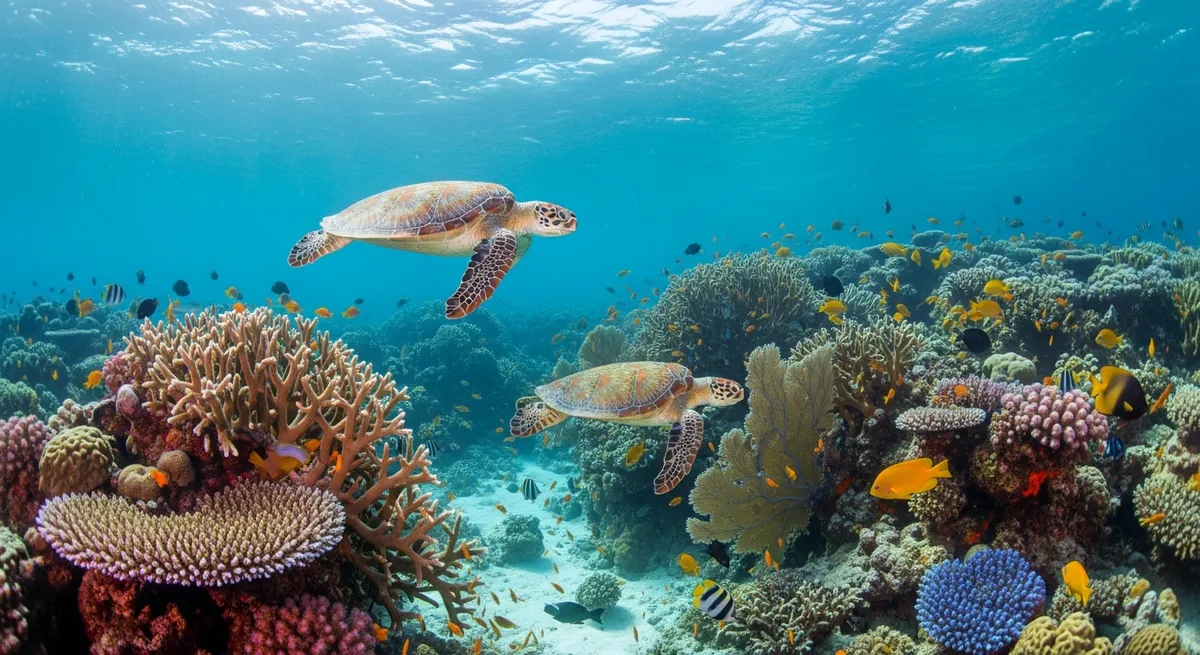
The Keys are a classic for a reason. We love diving here for its sheer accessibility to proper reef diving, a rarity in the continental US. You can be out on the boat, splashing in, and staring down at a curious green moray or a school of jacks within an hour of leaving the dock. It’s not the wildest reef you’ll ever see, but it consistently delivers solid reef dives, especially around John Pennekamp State Park and Looe Key. Our favourite time to visit is late spring or early autumn, when the summer crowds have thinned but the water is still bathtub warm. Visibility can hit 25 metres on a good day. You’ll spend your bottom time cruising colourful shallow reefs, spotting parrotfish munching away, or keeping an eye out for a passing bonnethead shark. The wrecks, like the Spiegel Grove, are fantastic artificial reefs too, quickly becoming home to grouper and a surprising number of tenpounders. Just be mindful of currents, particularly on deeper wrecks; they can pick up fast.
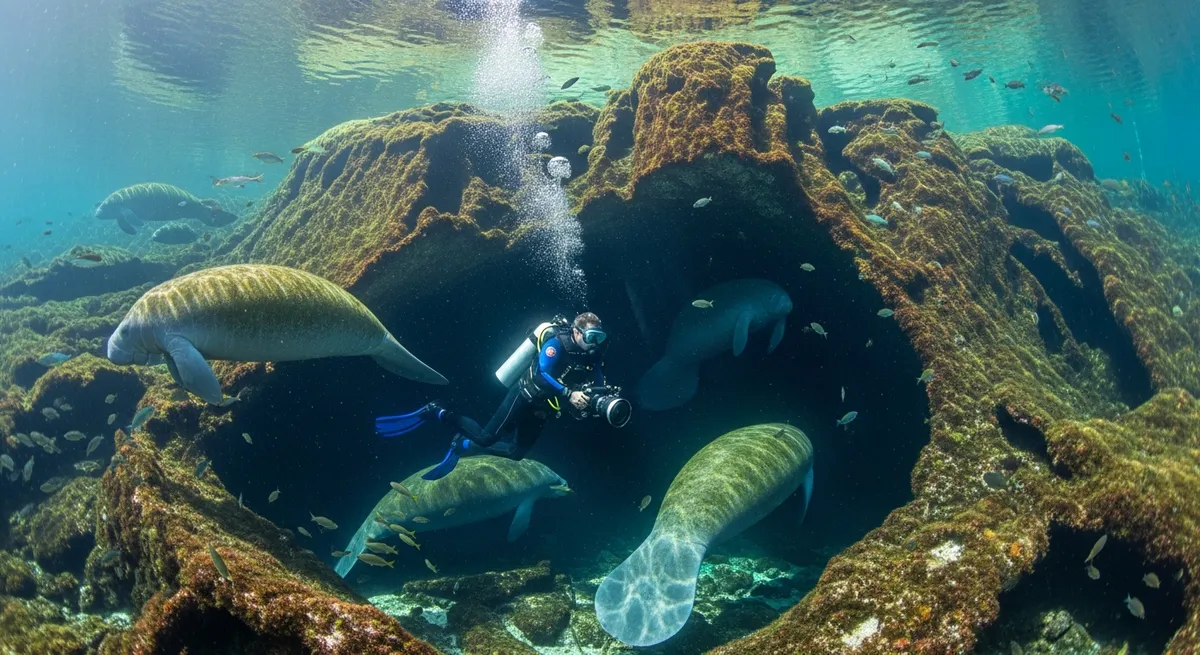
Florida Springs
The Florida Springs are a different kind of dive, and we absolutely love them for it. Forget the ocean, here it’s all about the astonishing clarity of freshwater at a constant 22°C. Drifting through Ginnie Springs, the light rays pierce the water like spotlights, illuminating schools of tiny Inland Silversides, and if you’re lucky, you might spot a lazy Tarpon hanging in the current. Our top pick has to be Devil's Den - it’s a bit of a surreal experience, diving into what feels like a prehistoric cave with steam rising off the water in cooler months. We’d suggest going early to avoid the crowds, especially at Blue Spring when the manatees congregate in winter. The geology alone is worth the trip; those ancient limestone formations and the sheer power of the spring boils are genuinely captivating. It's a remarkably easy dive too, perfect for a relaxed afternoon exploring the silent, sun-dappled caverns and spotting little Killifish darting amongst the aquatic plants.
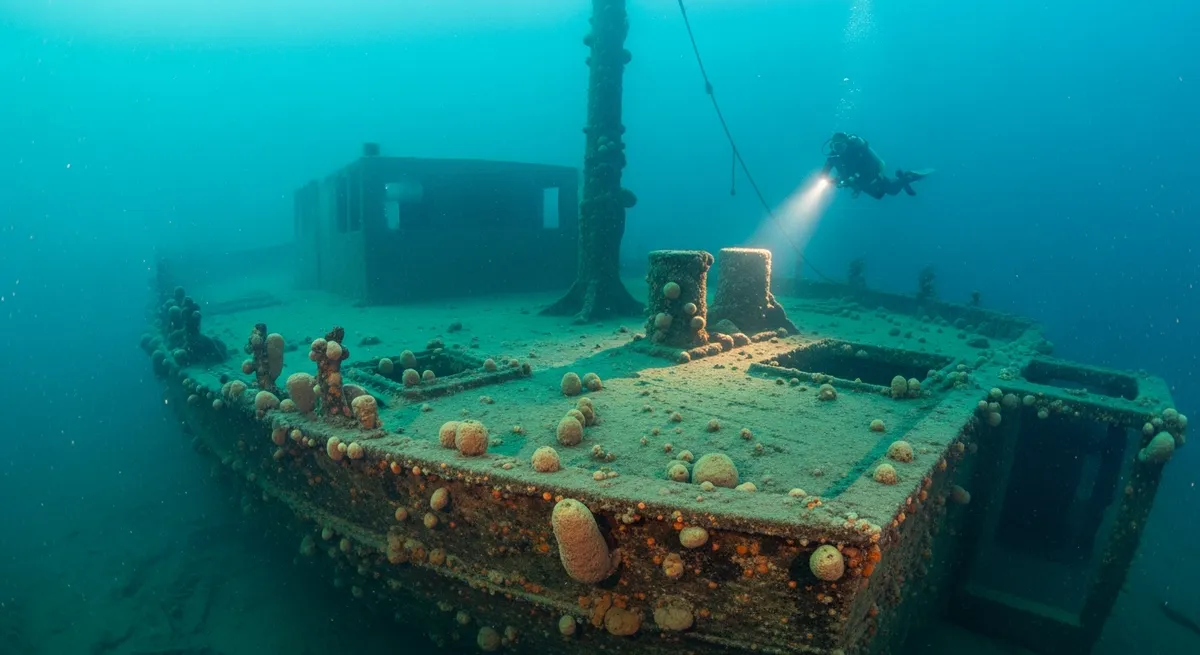
Great Lakes
Forget everything you think you know about diving in North America. The Great Lakes are not about swaying corals or colourful reef fish, they’re about history, frozen in time. We’re talking freshwater wreck diving, and the cold, fresh water here means many of these shipwrecks are incredibly well-preserved. You might find a mast still standing, deck machinery intact, or even bottles and crockery scattered on the deck, especially around Thunder Bay National Marine Sanctuary. It’s a completely different kind of dive, often surprisingly clear, and for history buffs, it’s absolutely captivating.
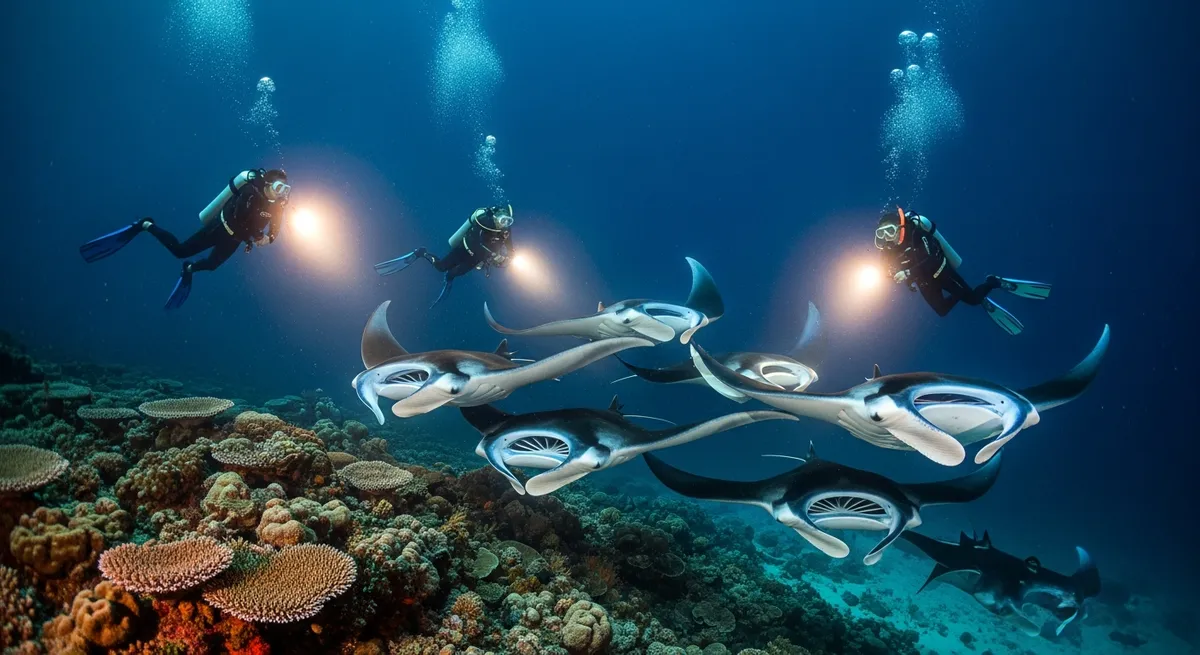
Hawaii
Diving Hawaii often means one thing to us: Big Island. The Kona coast, in particular, delivers that unique blend of volcanic drama above and below the surface. We love the manta ray night dives here. Drifting in the inky blackness, surrounded by these gentle giants as they barrel roll through the dive lights, scooping up plankton - it's pure magic. Beyond the mantas, you'll find incredible lava tube caves, some so vast you can surface inside them, the light filtering down from cracks above. We’ve had some memorable encounters with Hawaiian monk seals; watching them glide effortlessly past, curious but always keeping their distance, is a real treat. Green sea turtles are a constant, munching on algae or resting on ledges. While the coral isn't always the most colourful compared to other Pacific spots, the topography, with its arches, swim-throughs, and dramatic drop-offs, more than makes up for it. Visibility is usually excellent, especially on the leeward side. If you're looking for bigger pelagics, try some of the deeper pinnacles or venture further offshore; we've heard whispers of blue sharks and even shortfin makos, though we haven't personally been lucky enough to spot them on scuba.
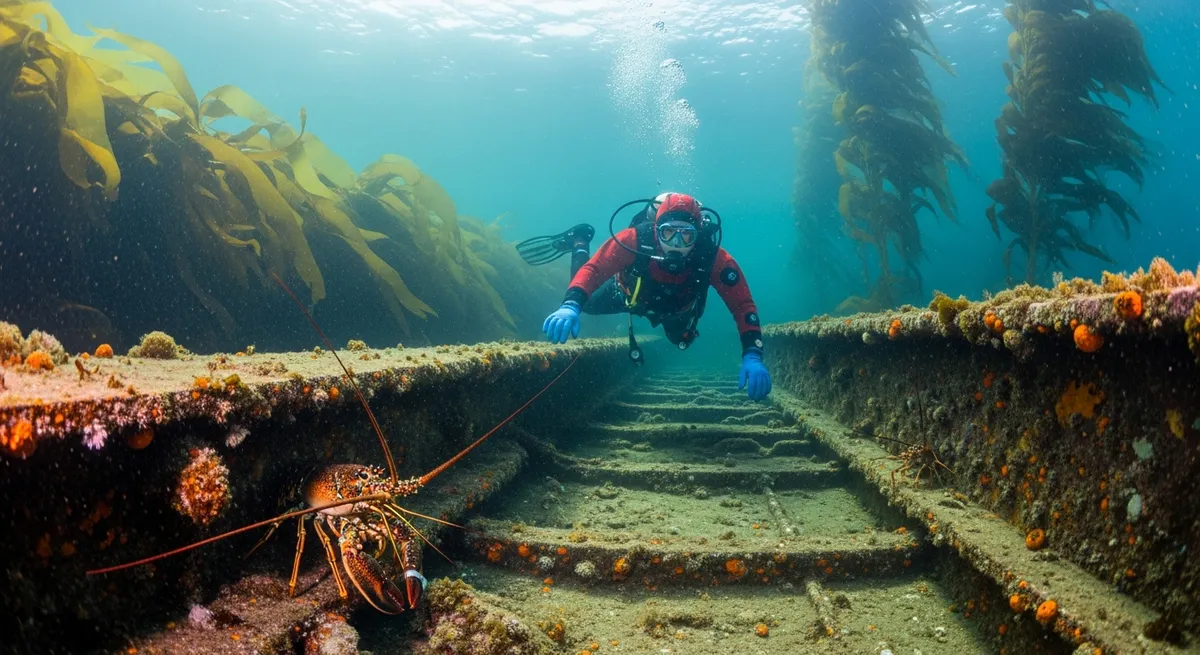
New England
New England diving. It’s certainly not for everyone, but if you’re into temperate water and a bit of history, we reckon it’s absolutely worth a look. Think thick kelp forests swaying in the current, big lobsters scuttling across the rocks, and a real sense of rugged coastal adventure. Our favourite dives here often involve exploring old fishing wrecks, their wooden bones slowly reclaimed by the ocean, now home to schools of striped bass and curious tautog. Visibility can be a bit of a mixed bag - sometimes you’ll get 20 metres of glorious green, other days it’s more like five, especially after a good storm. But that's part of the charm, the challenge. We love the thrill of descending into that cooler water, feeling the chill on your cheeks, then watching an enormous cod materialise out of the gloom. For the serious wreck heads, the Andrea Doria is the big draw, a truly iconic deep dive for technical divers, but there are plenty of shallower, less famous wrecks that offer a fantastic intermediate experience too. Pack a thick wetsuit or, even better, a drysuit; you'll thank us later. Summer and early autumn give you the best conditions, with the water hitting its warmest, but even then, it’s a refreshing dip.
North Carolina
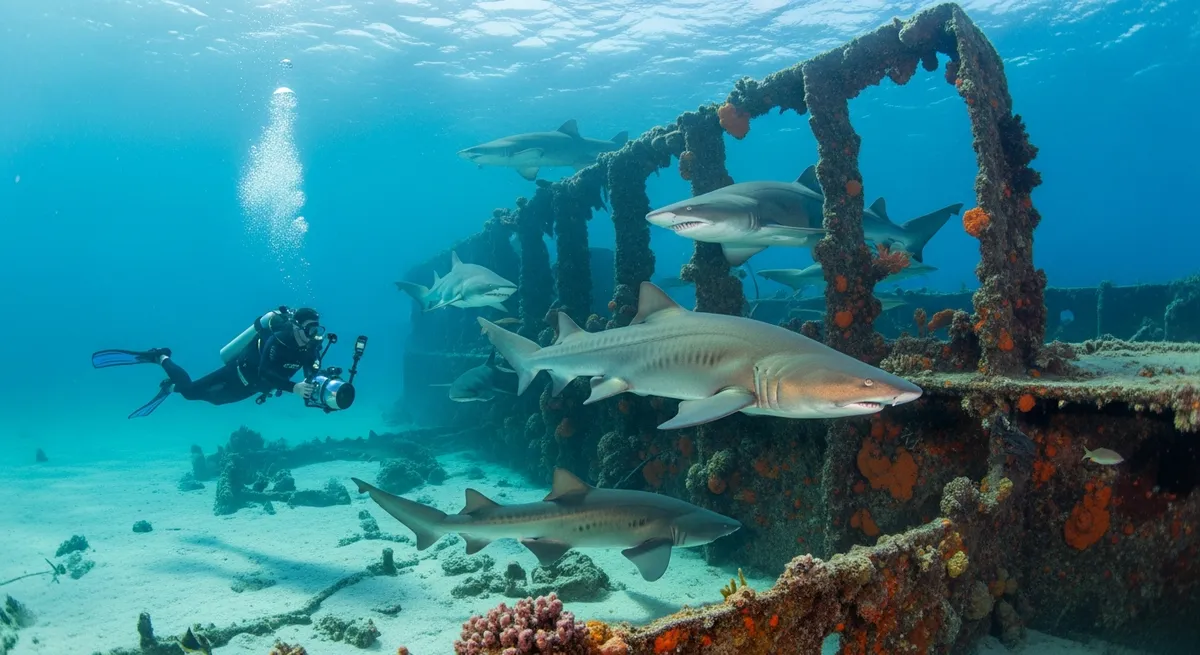
North Carolina diving, for us, means one thing: sharks and wrecks. The 'Graveyard of the Atlantic' isn't just a catchy name; it’s a living museum of WWII U-boats and other maritime history. We’re talking about metal skeletons draped in soft corals, big enough to swim through, attracting schools of baitfish that shimmer like liquid silver. The real stars here are the sand tiger sharks, often seen in aggregations so dense it feels like you're diving in a shark traffic jam, especially from late spring through early autumn. We love the sheer scale of the wrecks, like the U-352 or the Papoose, which provide amazing swim-throughs and shelter for colossal schools of amberjack. Visibility can vary, but on a good day, watching those sand tigers cruise lazily past, their jagged teeth on full display, is just magic. It’s mostly intermediate diving due to the currents that feed all that life, but the rewards are massive. Our favourite time to visit is September, after the summer crowds thin out a bit, but the water is still warm and the sharks are still around in numbers. Don't forget your bigger torch; some of those interior passages are properly dark.
Pacific Northwest
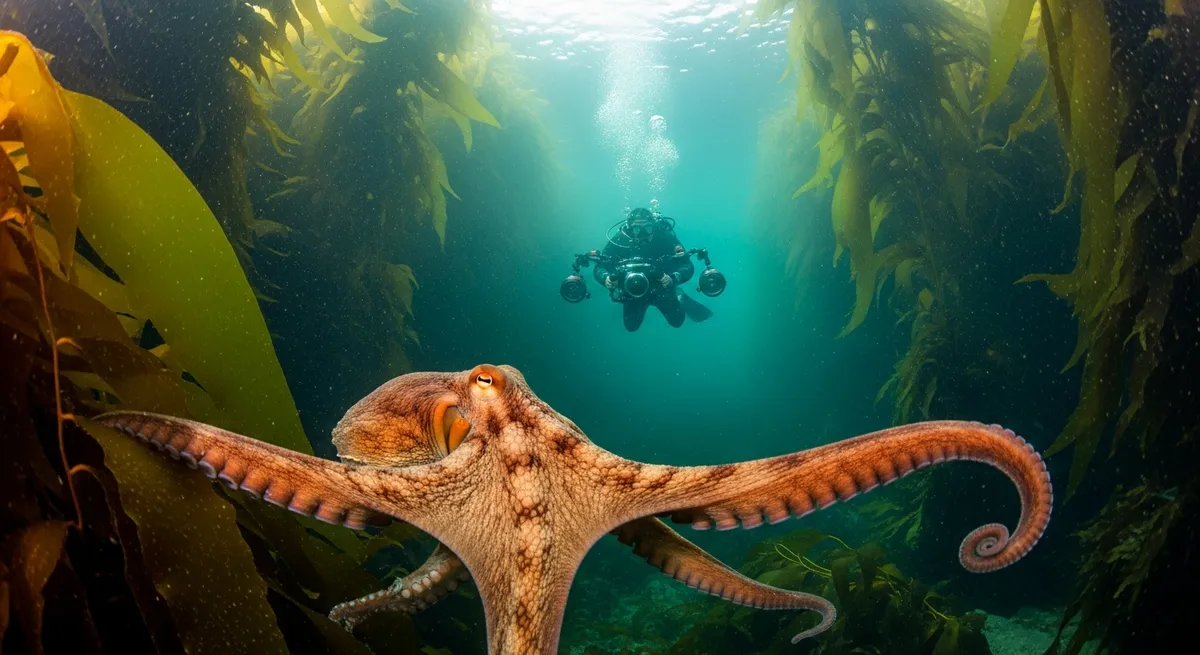
Forget the palm trees; we’re talking about a different kind of magic in the Pacific Northwest. Diving here means pulling on a drysuit and dropping into an emerald world of giant Pacific octopus, their arms unfurling from rocky dens, and the curious, craggy faces of wolf eels peering from crevices. It’s an immersion into a genuinely rich cold-water ecosystem, a stark contrast to the tropics but no less captivating. We love the San Juan Islands, especially for their strong currents that bring in nutrients, attracting schools of Pacific herring so thick they dim the light. Our favourite time to dive is late spring or early autumn; the water is a touch warmer, and visibility tends to be at its best after the winter rains have settled. Look for the delicate, almost translucent Slender Sole blending into the sandy bottom, and keep an eye out overhead for the Common Loon diving for its dinner. Yes, the entries can be a bit rugged, and those currents demand respect, but the reward is a truly unique dive experience, full of life and a quiet, ancient beauty.
South Carolina & Georgia
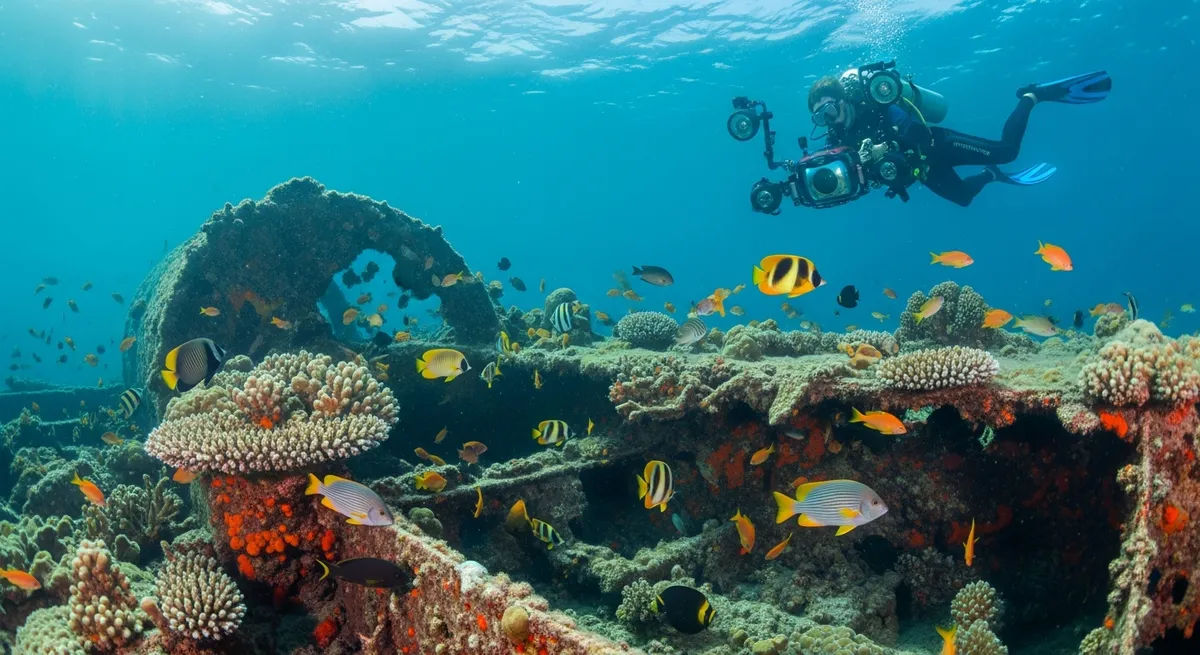
Artificial reef programs, ledge diving, and the Cooper River fossil diving for megalodon teeth. Sand tiger sharks patrol the offshore ledges.
Texas & Gulf Coast
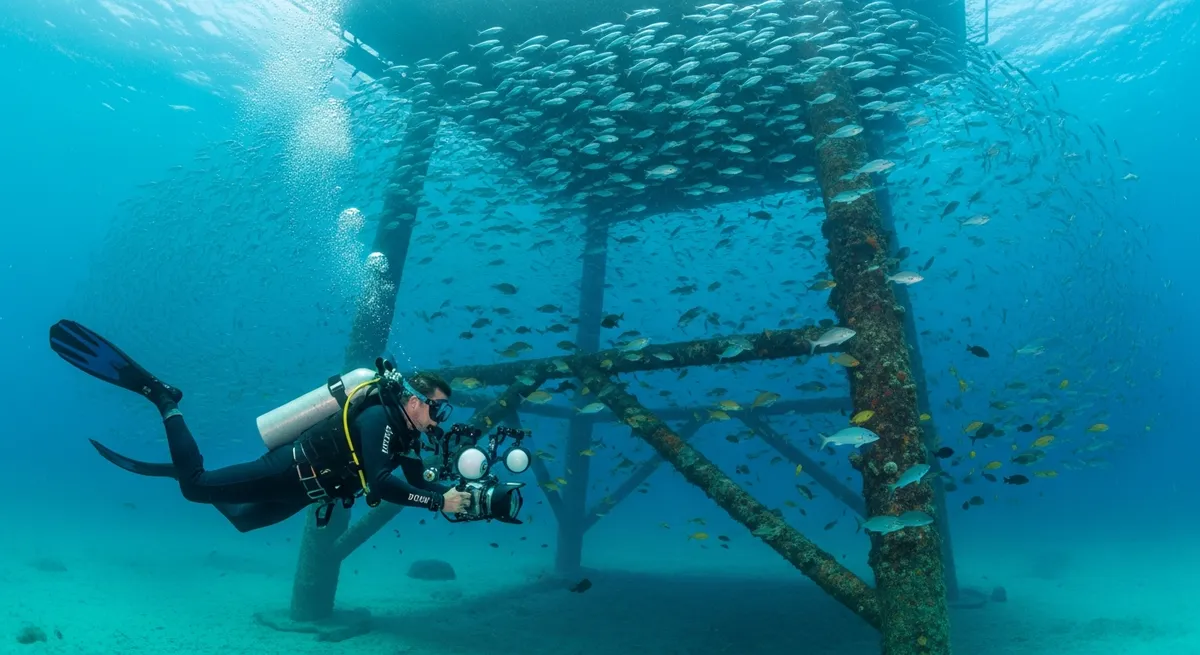
Artificial reefs and oil rig diving in the Gulf of Mexico. The Flower Garden Banks National Marine Sanctuary hosts the northernmost coral reefs in the US.
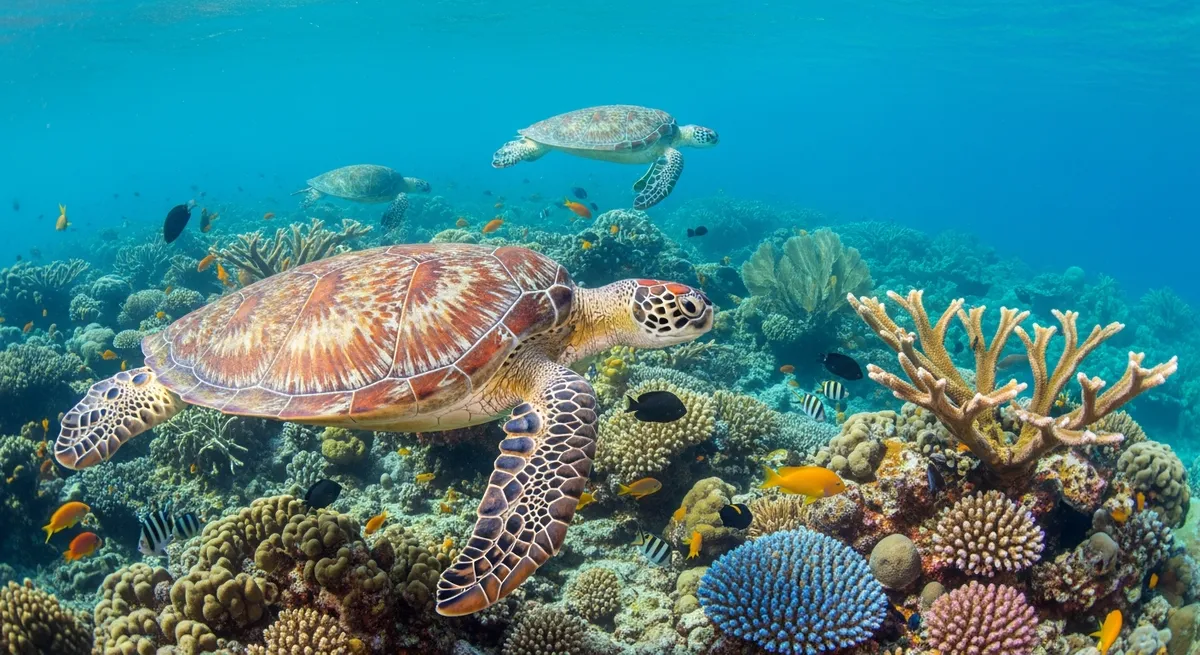
US Virgin Islands
St. Croix's famous Buck Island reef, St. Thomas's wreck diving, and St. John's pristine national park reefs in warm Caribbean waters.
Ocean Wildlife in United States
274 species recorded in United States
United States Visa Requirements
Check if you need a visa to dive in United States
Plan & book
Ways to dive United States, from day trips to liveaboards.
Day trips & courses
via GetYourGuideGuided dives, courses and snorkel trips with instant booking.
Find dive trips in United StatesPlaces to stay
via Booking.comHotels and dive resorts near United States.
Search stays in United StatesDive insurance
Most travel insurance excludes or limits scuba. Check what you need before you go.
Dive insurance explainedPartner links: we may earn a commission if you book, at no extra cost to you. How we make money