Puako
Protected Area
Waialea Bay Marine Life Conservation District
Why dive here
Puako is a reef dive where divers can encounter blue sharks, sea turtles and sperm whales. Water ranges 25-28°C, warmest August, September, October.
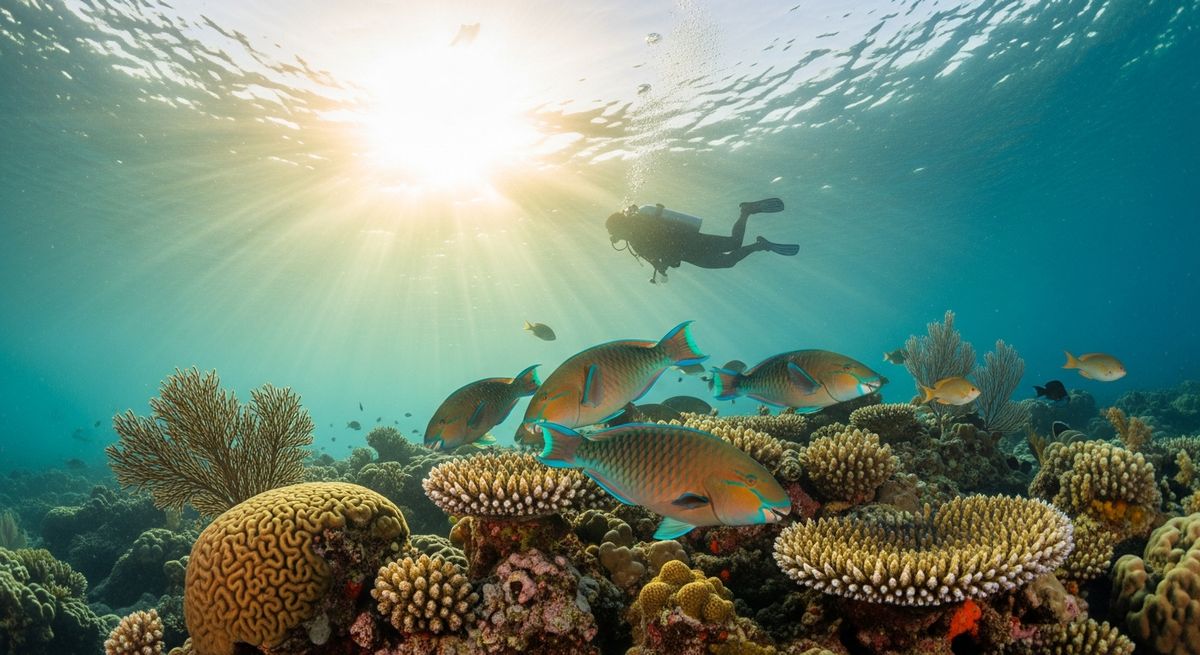
Puako feels like our secret spot, even though it's hardly a secret to locals. We love the easy beach entry here, especially when the morning sun hits the water just right. It’s got that relaxed, unhurried vibe, perfect for a couple of long, easy dives. Down to 17 metres, the reef structure is a series of ledges and small caves, home to so many of Hawaii’s endemic fish. You’ll spot plenty of Sandwich Isle Filefish and the striking Big long-nosed Butterflyfish, flitting between the corals. Dive Puako early, and we mean early. The water is usually glass-calm before 10 am, offering consistent 20-metre visibility. By late morning, the wind kicks up, and things get choppy, making the entry and exit a bit more of a workout. Keep an ear out for humpback whale songs in the winter months; the sounds really carry through the water here, a truly immersive experience. This site is great for anyone wanting a chill dive with plenty of unique Hawaiian marine life, minus the crowds.
Nearest Dive Centres to Puako
Dive shops near Puako
Liquid Cosmos Divers
Kohala Divers, Ltd.
Blue Wilderness Dive Adventures Corp.
Aquatic Life Divers
Kona Honu Divers
Pacific Rim Divers Limited
Reviews for Puako
Conditions
Ocean conditions, forecast and tides for Puako
Puako Ocean Conditions
Monthly averages for Puako, sourced from Open-Meteo marine data + Copernicus Marine (EU) - nearest station: Open-Meteo marine grid (20.73, -156.95) (9km away)
October Averages
Sea Temperature
27°C
81°F · Range: 26.7–28.4°C
Current Speed
11.31 cm/s
Direction: NW (315°)
Chlorophyll-a
0.035 mg/m³
Very clear (oligotrophic)
Salinity
35.58 PSU
Based on 4 years of monitoring data · Data sources: Open-Meteo marine data + Copernicus Marine (EU)
Plan & book
Ways to dive Hawaii, from day trips to liveaboards.
Day trips & courses
via GetYourGuideGuided dives, courses and snorkel trips with instant booking.
Find dive trips in HawaiiPlaces to stay
via Booking.comHotels and dive resorts near Hawaii.
Search stays in HawaiiDive insurance
Most travel insurance excludes or limits scuba. Check what you need before you go.
Dive insurance explainedPartner links: we may earn a commission if you book, at no extra cost to you. How we make money
Where to Stay near Puako
Prices from Booking.com. We may earn a commission at no extra cost to you.