Diving in Jeddah
Why dive here
Jeddah offers 105 dive sites in Saudi Arabia. Water ranges 25-32°C, warmest August, September, October.
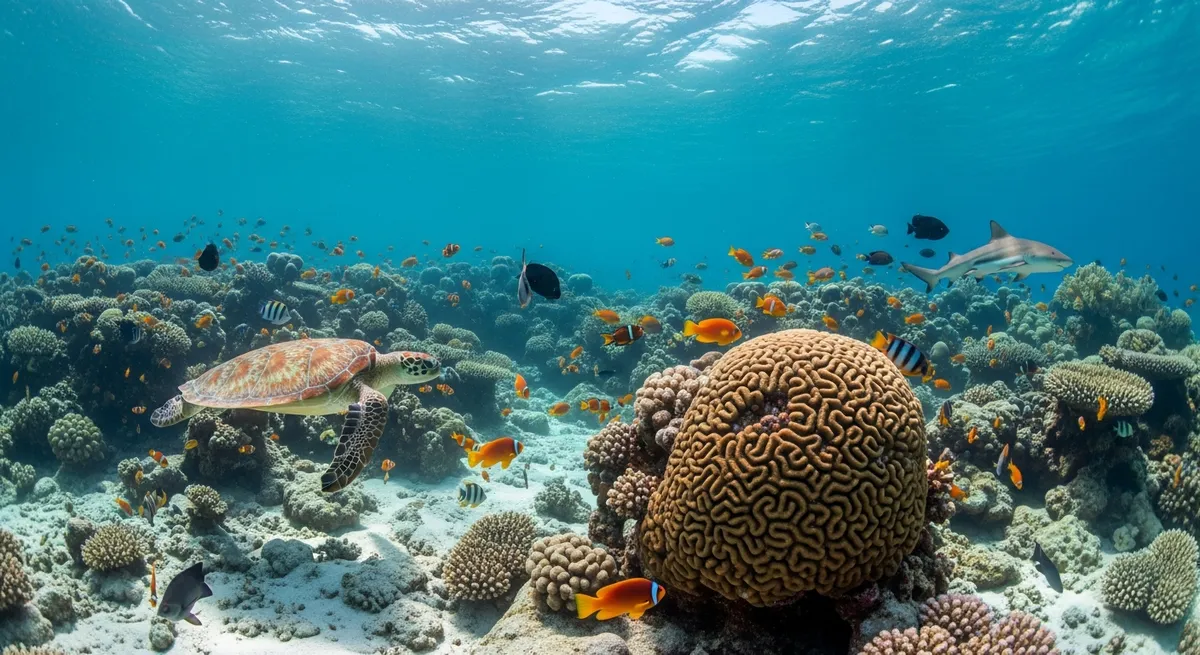
Jeddah diving is a bit of a mixed bag, to be honest. Some days you get those incredible, gin-clear conditions the Red Sea is famous for, and other days, well, not so much. But when it's good, it's really good. We love the sheer number of sites accessible from shore or a quick boat ride. You’ll mostly find reef diving here, with some intriguing wrecks thrown in. Our favourite spots are definitely out around the offshore islands. That's where you'll escape the city's hustle and find conditions that feel more remote. Keep an eye out for Blackspot Surgeonfish schooling over the reef flats, and the Armed Squirrel-fish often peek out from under ledges. The Boiler wreck is a standout, offering a genuinely atmospheric dive. The current can pick up there, making for a lively drift, but it’s worth it for the sense of history and the marine life that congregates around the metal. We’d suggest going early in the morning to beat the crowds and enjoy the best light filtering down. Visibility is generally better in the cooler months, though the water can get a bit chilly, so a 5mm suit is a good idea.
Jeddah Dive Site Map
Dive sites and dive centres in Jeddah
Jeddah Dive Sites
105 dive sites in Jeddah
Abo Almadafee أبو المدافع
Abo Almadafee, or "Father of the Cannons," sits just off Jeddah, offering a relaxed dive perfect for newer divers. At a maximum depth of 18m, it’s a gentle introduction to the Red Sea. You’ll find a sandy bottom dotted with small coral heads, home to plenty of damselfish and small wrasse flitting about. It’s a site we often suggest for those looking to get comfortable with their buoyancy or refresh their skills, rather than seeking huge pelagics. Conditions are generally calm, making for an easy, pleasant dive.
ABUSABAA I
Abusabaa I, a carrier vessel that went down carrying marble in 1979, is one of those wrecks we keep coming back to. She sits at a comfortable 15 meters, making her accessible for most divers, and you can spend a good hour exploring without feeling rushed. We love the way the light filters through the superstructure, highlighting schools of fusiliers that hang in the deeper holds. Look closely for pipefish camouflaged against the encrusted metal and the occasional octopus peeking from a dark corner. The wreck itself, 92 meters long, is still remarkably intact. We often find ourselves circling the stern, admiring the massive propeller, now home to clouds of glassfish. Swim-throughs are plentiful and relatively open, though a torch is always a good idea to peer into the deeper recesses. The cargo of marble slabs is still visible in places, creating a stark contrast with the vibrant corals that have started to colonise the decks. We'd suggest going in the morning; the visibility tends to be at its best, and you might have the whole site to yourself before the day boats arrive. It’s a fantastic dive for anyone who enjoys history with their marine life, offering plenty to see without any serious current to contend with.
Abu Tair
Abu Tair, just off Jeddah, is a straightforward dive that bottoms out around 24 meters. We generally find a good range of Red Sea reef fish here, along with the occasional turtle gliding by. It’s a comfortable site, ideal for newer divers looking to get some easy bottom time and practice their skills in calm conditions. The lack of strong currents makes for a relaxed dive.
AGIA VARVARA
The Agia Varvara, a carrier vessel, settled upright at a shallow 11 meters, making it one of our favourite wreck dives in the Jeddah area. We love how accessible this wreck is, even for newer divers, but don’t mistake "accessible" for "boring." At 152 meters long, there’s plenty to explore. We usually kick off over the bow, where the superstructure still looms large, a ghost ship shape against the sun. Inside the bridge, you’ll often find schools of snapper darting through what used to be the command centre. Heading aft, the cargo holds are open invitations, letting in shafts of light that illuminate giant morays peeking from the shadows. The sheer scale of the Agia Varvara is what really gets us; you can spend an entire dive just exploring one section, finding new corners colonised by lionfish and soft corals. It's a proper wreck experience without the deep-water demands.
Al Bedayah
Al Bedayah offers a straightforward dive in the waters off Jeddah. You'll find a mix of reef structures, home to the usual Red Sea suspects – parrotfish, snappers, and groupers are common here. It’s a good spot if you’re looking for a relaxed dive without strong currents, suitable for newer divers or those wanting an easy day out.
AlBuhairat
AlBuhairat, near Jeddah, offers a straightforward dive with a good chance to spot a variety of Red Sea residents. We often find schooling fish here, like snappers and barracuda, and sometimes a passing reef shark or turtle. It's a reliable spot for a relaxed dive, suitable for divers looking for easy conditions and general marine observation.
ALEXANDER III
The Alexander III is probably our favourite shallow wreck in the Jeddah area, a real charmer. It’s a dangerous wreck, yes, but that’s part of its appeal if you’re a diver who appreciates a bit of history and the stark beauty of a ship taken by the sea. Lying in just 10 metres of water, it’s an ideal spot for a longer dive, giving you plenty of time to explore the skeletal remains. We love drifting through the exposed ribs of the hull, watching the sunlight dapple through the water column, illuminating shoals of snapper that have made the wreck their home. What makes this wreck special, for us, isn’t just its accessibility but the way the Red Sea has utterly transformed it. You’ll find sections completely encrusted with soft corals, their polyps swaying gently in the subtle currents, and the structure itself is a magnet for juvenile reef fish. Keep an eye out for moray eels tucked into crevices, and we’ve often spotted lionfish patrolling the decks. If you're a photographer, the ambient light here is fantastic, especially mid-morning, casting beautiful shadows and highlights on the metal and coral. It's a dive that suits anyone keen on shallow wreck exploration, offering a unique blend of history and marine life without pushing any depth limits.
Al Fahal East
Al Fahal East offers a pretty reliable dive, one we often lean on when we want a relaxed profile with good visibility. It’s a gentle slope from around 10m down to 25m, perfect for an extended bottom time. We love drifting along here, letting the occasional mild current do the work. The coral coverage is genuinely impressive, especially the big, sculptural stony corals and the dense patches of staghorn that shelter schools of fusiliers. Keep an eye out for the Arabian angelfish, their colours are just stunning against the blue. On a good day, we’ve seen groups of black surgeonfish grazing the reef, and the little blackside hawkfish are always fun to spot perched on coral heads. It’s the sort of site where you feel completely immersed, with the light playing through the water and the gentle sway of the corals. It’s a solid pick for anyone looking for an easy, pleasant dive with plenty to see without needing to fight a strong current.
Al Fahal North
Al Fahal North holds a special place for us, a spot we often suggest when someone asks for a classic Jeddah dive. The reef here, a sloping wall from 10m down to around 25m, just pulses. We love dropping in and feeling that immediate sense of being enveloped by fusiliers – they often hang in such dense schools it’s like swimming through a silver curtain. Keep an eye out for the small-eyed squirrelfish peeking from the overhangs; they’re incredibly shy. Our favourite part is the staghorn coral patches, massive structures where you’ll consistently find yellow tang and black surgeonfish grazing. Look closely among the branches for banded cleaner shrimp setting up their stations. Down deeper, the orange-lined triggerfish are usually busy, and we’ve had some fantastic moments just watching them. This site really shines for divers who appreciate a vibrant reef ecosystem and aren't solely focused on big pelagics. It’s a comfortable dive, usually with mild currents, perfect for spending an hour just observing the details.
Al Fahal South
Al Fahal South is one of those sites we always try to get back to when we're in Jeddah. It’s a gorgeous drift, typically, with a gentle slope from around ten metres down to a sandy bottom at twenty-five. What we love here is the sheer density of the coral, particularly the staghorn. It just goes on and on, forming these intricate valleys and overhangs. You can spend an entire dive just weaving through the structures. We've seen huge schools of Red Sea half-and-half chromis here, a shimmering curtain you can almost swim through. Look closely and you’ll spot coral hogfish tucked into the branches, and we often find ornate pitar venus shells half-buried in the sand patches. It’s not a site for big pelagics, usually, but the macro life and the sheer health of the reef are the draw. If you're a photographer, this is a must for wide-angle shots of pristine coralscapes, especially in the late morning light. Just keep an eye on your depth, it’s easy to get lost in the coral gardens.
Al Fahal vis Wreck
The Al Fahal wreck, visible right from the surface, gives you a sense of its history before you even get in the water. We love a wreck that tells a story, and this one, sitting broken on the reef, certainly does. Dropping down, you’ll find sections of the hull have become home to so many fish. It’s not a deep dive, making it perfect for longer bottom times and really soaking in the atmosphere. As you explore, keep an eye out for the resident dusky angelfish flitting between twisted metal, and we always spot a few Picasso triggerfish eyeing us from the coral growth. The Red Sea clown surgeons often school here, a shimmering curtain against the darker hulk of the ship. Our favourite detail? The way the light filters through the gaps, illuminating patches of staghorn coral that have taken root. This isn't a wreck for penetration, but it's fantastic for circling, observing the way life has reclaimed the structure. It’s a photographer’s dream, especially in the late morning sun.
Al leeth
Al Leeth, off Jeddah, offers typical Red Sea diving without being spectacular. We’ve seen a decent variety of reef fish here and some healthy hard coral formations. Visibility usually sits around 15-20 metres. It’s a good spot if you’re looking for a convenient local dive.
Show all 105 dive sites in Jeddah
- AL MEDINA
- Altafyah Middle Reef
- ALYAMAMA
- AMAL
- AN ANNE (PROBABLY)
- An Anne Wreck
- Anas Reef
- ANATOLI
- Anatoli wreck
- Ann Ann (Wreck)
- Aquarium Reef
- ARAFAT
- ASIA
- B 26
- Bayadah (بياضة)
- Blue Reef diver Training pool
- BLUE SEA
- Cable Wreck
- Cave Reef
- Cement Reef
- Chicken Wreck
- Chicken Wreck (M.V Glaros)
- CHRISTY JEDDAH
- Coral Gardens 1 حديقة المرجان
- DAHRAN
- DAMMAM
- Destination Reef
- Dreams beach
- Dugais Main Reef
- EVGENIA I (PROBABLY)
- EVI
- FATTH ALKHAIR
- Fire coral garden
- FOTINI
- Garden Reef
- GAVILAN
- Ghurab Reef
- GISMATALLAH
- GLAROS
- GLYFADA SUN
- HARISA
- Horse Shoe Reef
- ISABELITA (PROBABLY)
- KATSURAGI
- Kharar Beach
- La Plage Resort House Reef
- LEILA
- MAGID
- Maimar
- Marble Wreck (حطام الرخام)
- MAYA R (STERN SECTION)
- MAZIN
- MECCA
- Mesmairy
- Mesmairy Wreck 2
- Middle Reef
- NAFTILOS
- NAHED
- NAJD
- NAVD (POSSIBLY)
- NAWAL
- NEJMAT EL PETROL XVIII (POSSIBLY)
- North Long Reef
- OM EL KHEIR
- ORRI 15
- PEARL OF VICTORIA
- Plam Beach
- RADUAN
- Rose Reef
- SADAKA
- salhia beach
- SAMAR
- SAMIR 1
- Sand Island
- SAUDI SUN
- Scuba Master training pool
- SHAHRAZAD
- Shark Reef
- She'ab Alkabir (الشعب الكبير(
- Sheraton Beach Resort
- Shi B Al Kabir
- Shib alkhamsah
- Shi'b Nazar
- South Reef
- STAR OF JEDDAH
- STAR OF TAIF
- STAR ONE
- STEFANOS S (PROBABLY)
- TIGRE & PANTERA
- Turc Wreck
- Twins reef
- Urania
- VERAS
Jeddah Dive Centres
26 dive shops and operators in Jeddah
17Sixty
Advanced Diver Center
Al-Haddad Scuba
Al-Haddad SCUBA - Sheraton Resort
Al Sanbouk
Benya Marine Group
Blue Reef Divers
Coastline Diving
Show all 26 dive centres in Jeddah
- Desert Sea Divers
- Dive Destination
- Dive Holics
- DivePro Sport Center
- Dream Diver
- Dream Divers
- Future Experts Sports Company
- Giant Stride Diver
- Hope of Spring Dive
- La Plage Diving Center
- La Plage Diving Shop
- Pro Diver
- Red Sea Divers
- Safety Stop Dive Center
- Saudia Scuba
- Star Seas Diving Center
- UNITED DIVERS
- West Coast Diver
Ocean Wildlife in Jeddah
4 species recorded in Jeddah
Jeddah Daylight & Sunrise/Sunset
Sunrise and sunset times for Jeddah, calculated from coordinates
Today - Sunday 11 October
Sunrise
06:19
Sunset
18:04
Daylight
11h 45m
Golden Hour
17:34
First light (dawn) at 05:56 · Last light (dusk) at 18:26
Monthly Averages
| Month | Sunrise | Sunset | Daylight |
|---|---|---|---|
| Jan | 07:05 | 18:02 | 10h 57m |
| Feb | 06:56 | 18:22 | 11h 26m |
| Mar | 06:34 | 18:34 | 12h 0m |
| Apr | 06:05 | 18:44 | 12h 38m |
| May | 05:46 | 18:56 | 13h 10m |
| JunLongest | 05:42 | 19:08 | 13h 27m |
| Jul | 05:50 | 19:10 | 13h 20m |
| Aug | 06:03 | 18:56 | 12h 53m |
| Sep | 06:12 | 18:29 | 12h 17m |
| OctNow | 06:20 | 18:01 | 11h 40m |
| Nov | 06:36 | 17:43 | 11h 7m |
| DecShortest | 06:55 | 17:44 | 10h 49m |
Times are approximate local times based on longitude. Actual times may vary slightly depending on the exact timezone observed in Jeddah.
Where to Stay near Jeddah
Prices from Booking.com. We may earn a commission at no extra cost to you.
Marine Protected Areas near Jeddah
1 protected area near Jeddah - please respect local regulations when diving
رأس كشران / جزيرة شريفة
Getting to Jeddah
Jeddah
Taif
Yanbu
Plan & book
Ways to dive Jeddah, from day trips to liveaboards.
Day trips & courses
via GetYourGuideGuided dives, courses and snorkel trips with instant booking.
Find dive trips in JeddahPlaces to stay
via Booking.comHotels and dive resorts near Jeddah.
Search stays in JeddahDive insurance
Most travel insurance excludes or limits scuba. Check what you need before you go.
Dive insurance explainedPartner links: we may earn a commission if you book, at no extra cost to you. How we make money