
Diving in Brazil
Why dive here
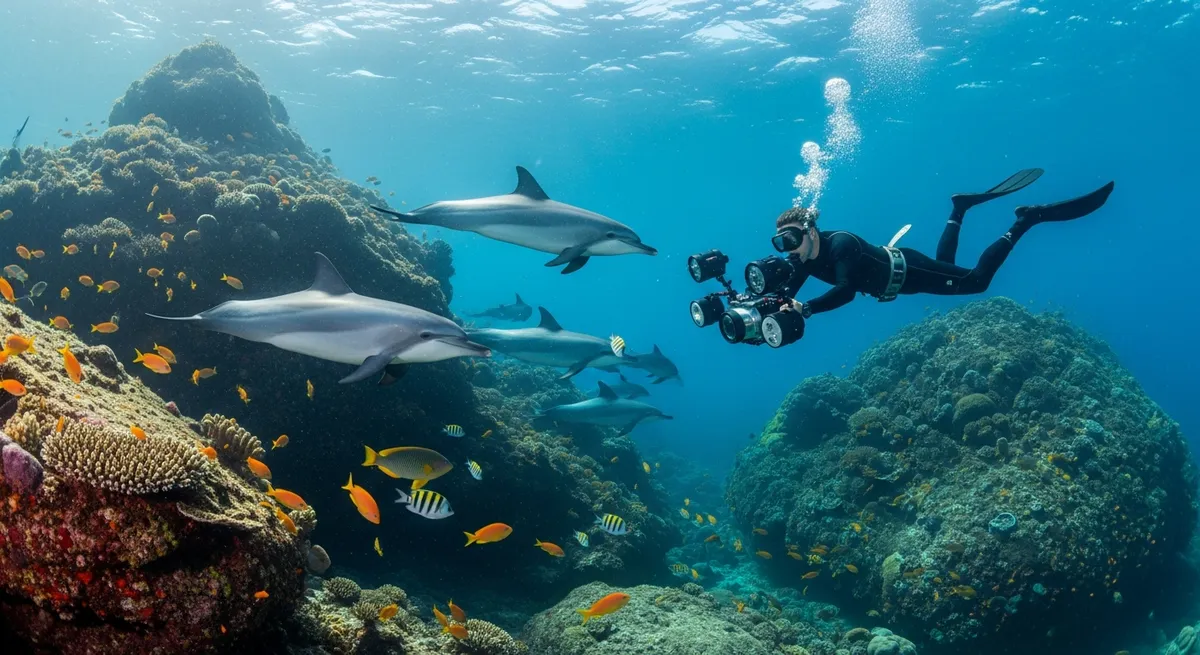
Brazil offers rich diving, with 303+ marine species recorded in its waters - including barracuda, dolphins, eagle rays, humpback whales and nurse sharks. Water ranges 24-29°C, warmest January, February, March.
Brazil for diving means choices, often wildly different ones depending on where you land. If we’re talking about the best of the best, Fernando de Noronha is where you’ll find us, with those spinner dolphins putting on a show and the water so clear it feels like you’re flying. It’s an archipelago that really stands out, especially for its pelagic action. Beyond Noronha, the Abrolhos National Marine Park is essential, primarily for the humpback whale breeding season, usually July through November. We’ve seen them there, and it’s an emotional experience, truly something special. Down south, places like Arraial do Cabo offer cooler water and different species, like the occasional Southern Right whale passing through. The diving here isn’t always postcard perfect like some Caribbean spots; conditions can vary, currents can be strong, and some sites are weather dependent. But for sheer biodiversity, particularly the Atlantic species, and the chance to combine your diving with some incredible topside adventures, Brazil has a lot going for it. We love the feeling of discovery here. It’s a country that keeps giving.
Brazil Dive Regions Map
Brazil Dive Regions
7 diving areas in Brazil
Abrolhos
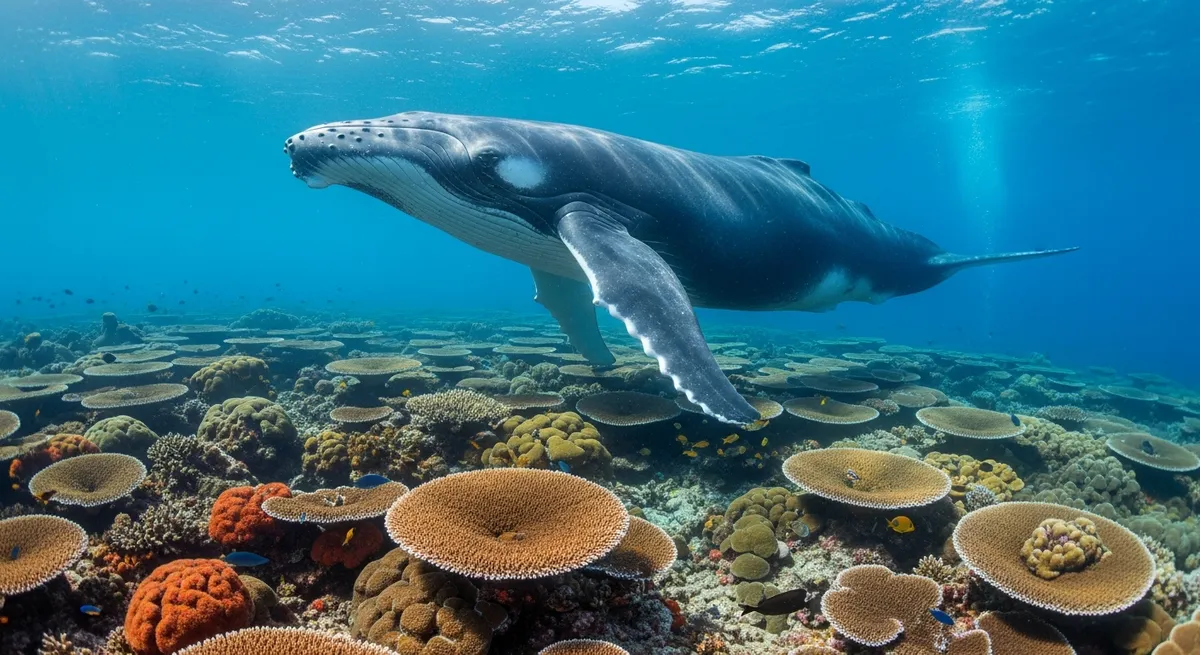
Abrolhos is a quiet surprise, a national marine park off the coast of Bahia that feels genuinely remote. We've always found the unique "chapeirão" coral formations, those mushroom-shaped pillars, to be the main draw here. They create a fascinating topography, full of overhangs and swim-throughs where you'll often spot nurse sharks napping. From July to November, the humpback whales come to breed, and hearing their songs underwater is something truly special. Visibility can be a bit variable, but on a good day, exploring those coral structures, you'll be treated to schools of snapper and barracuda, plus the occasional loggerhead turtle gliding by.
Arraial do Cabo
Arraial do Cabo, often called Brazil’s “Caribbean,” has a bit of a reputation, and for good reason. What we really love are the upwelling currents. They bring in nutrient-rich water, which translates to some seriously clear visibility and a surprising amount of bigger pelagic stuff for a coastal spot. We’ve had incredible encounters with schools of grunts and Caesar fish so thick they almost block the sun, especially around the rocky pinnacles. Diving here feels distinctly South Atlantic, with species like the Grey Atlantic Auger and those striking Brazilian red anemones providing a unique splash of colour against the granite and rocky reefs. Our favourite sites are often the drift dives, letting the current carry you past hogfish and busy sergeant-majors. A morning dive is always our pick, before the wind picks up and the boat traffic gets too heavy. Just be prepared for cooler water than you might expect, thanks to those productive upwellings - a 5mm suit is often a good shout, even in summer.
Bombinhas & Santa Catarina
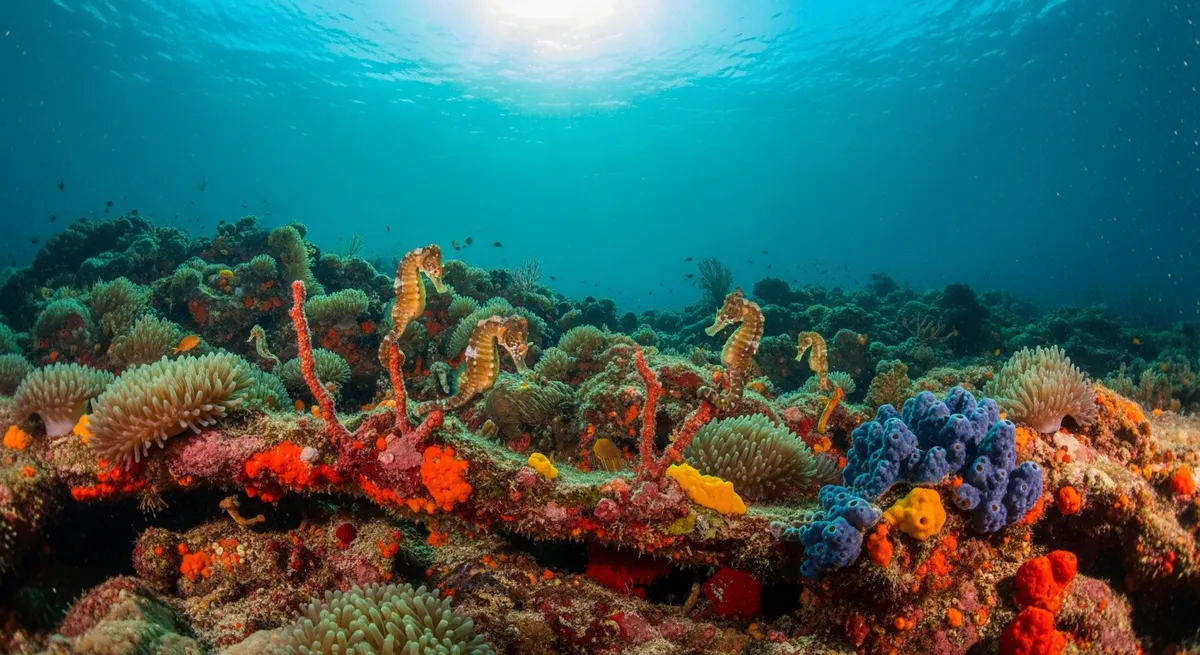
Southern Brazil's diving capital with the Reserva Biológica Marinha do Arvoredo. Groupers, sea turtles, and seasonal right whale encounters.
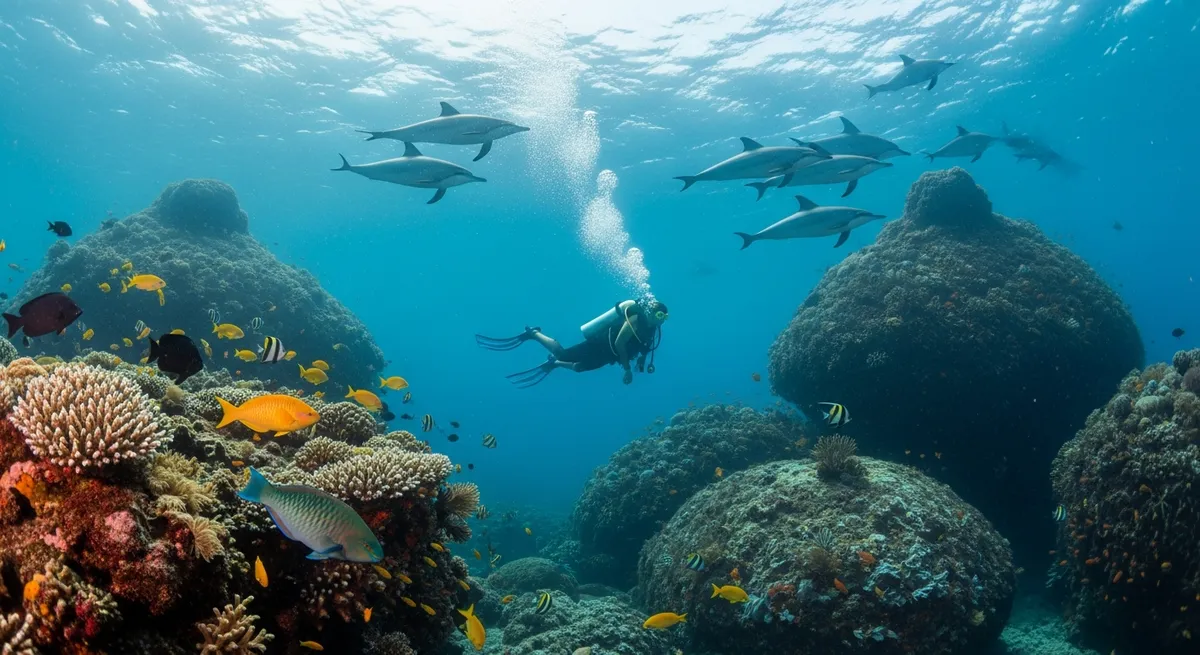
Fernando de Noronha
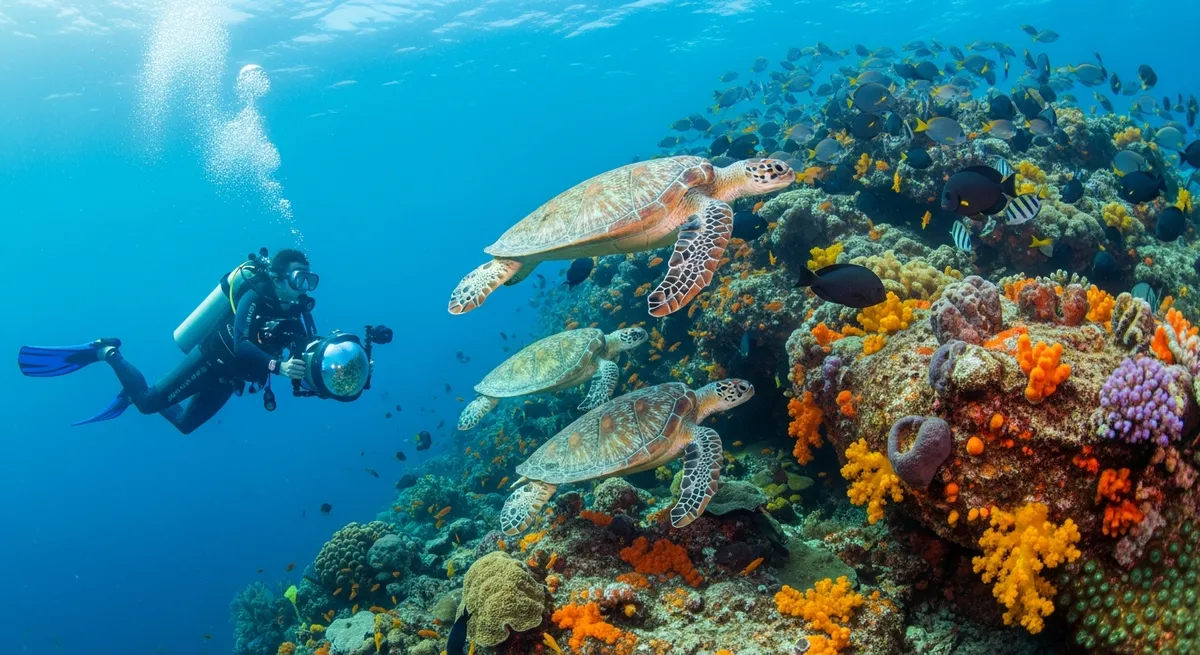
Fernando de Noronha feels like the whole ocean just exhales here. It’s an intermediate diver’s dream, mainly because of the strong currents that often sweep through, but the reward is immense. We love drifting past pinnacles and submerged reefs, the visibility often reaching 30 meters or more, which is just spectacular for Brazil. Our favourite dive is the wreck of the Corveta Ipiranga, which sank in 1983 and now hosts an incredible array of life. Expect to see big schools of Caesar and Doctorfish, sometimes so thick they obscure the wreck itself. Green turtles are common, just cruising by, completely unfazed. If you time it right, early mornings are best for spotting the famous spinner dolphins. They put on an aerial show you won’t forget, though we generally leave them to their natural behaviour and just enjoy the spectacle from the boat. Fernando de Noronha isn't for the absolute beginner, but if you're comfortable with a bit of current, you’ll be rewarded with some of Brazil’s most vibrant and pristine underwater landscapes. It’s a place that just feels wild and untouched.
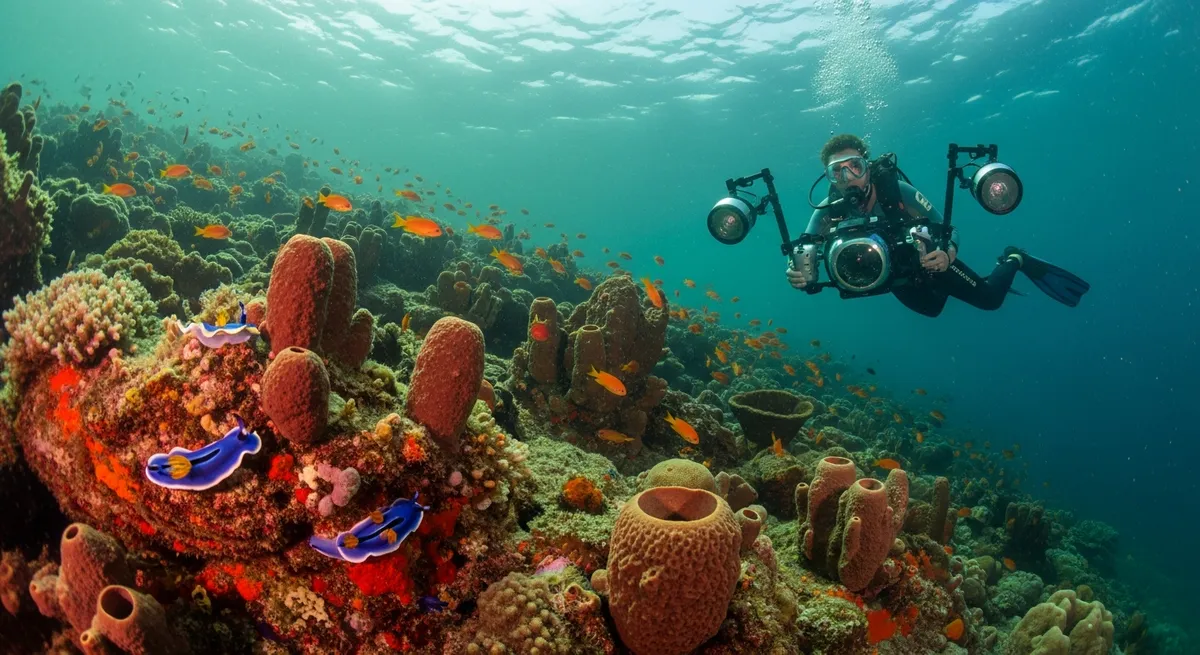
Ilhabela & São Paulo Coast
Historic shipwrecks and subtropical reefs off São Paulo's coast. Over 100 documented wrecks around Ilhabela island.
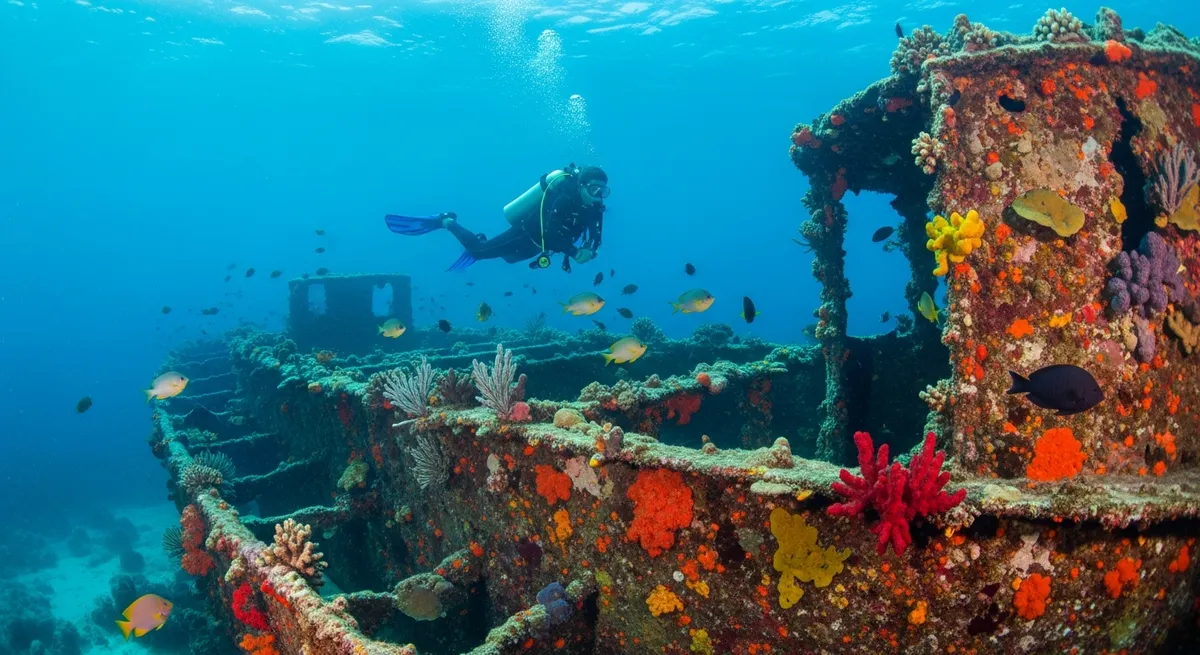
Recife & Northeast Coast
Wreck diving off Recife's urban coastline and Porto de Galinhas coral reefs.
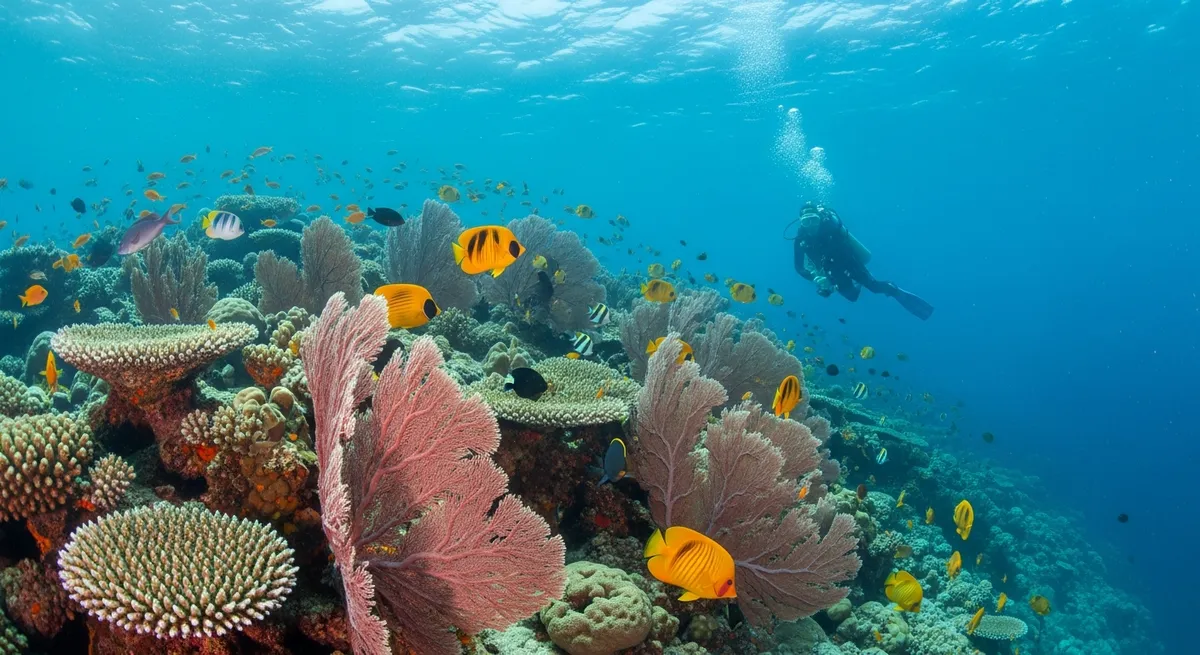
Salvador & Bahia
Salvador and the wider Bahia state don't always top the list for Brazilian diving, but we think that’s a real oversight. This region delivers warm, tropical diving with a fantastic mix of historic colonial shipwrecks and lively reef formations, all wrapped up in the Todos os Santos Bay marine ecosystem. We especially love the wreck diving here; it’s a tangible link to history. Expect to spend your bottom time exploring structures that tell stories, often buzzing with Cook butterfish and schools of cola. The visibility, usually around 15-20 meters, lets you appreciate the scale of these sunken vessels. On the reefs, keep an eye out for the vibrant Midnight Parrotfish, their colours really pop against the coral. If you’re lucky, you might even spot a Bonnethead Shark cruising by. We find the mornings are often calmer, giving you better light on the wrecks. It's not a place for giant pelagics, but the sheer variety of smaller reef fish, like the tide pool wrasse and the quirky lined sole, makes every dive interesting. The relaxed vibe tops it off, making it a proper dive escape.
Ocean Wildlife in Brazil
303 species recorded in Brazil
Brazil Visa Requirements
Check if you need a visa to dive in Brazil
Plan & book
Ways to dive Brazil, from day trips to liveaboards.
Day trips & courses
via GetYourGuideGuided dives, courses and snorkel trips with instant booking.
Find dive trips in BrazilPlaces to stay
via Booking.comHotels and dive resorts near Brazil.
Search stays in BrazilDive insurance
Most travel insurance excludes or limits scuba. Check what you need before you go.
Dive insurance explainedPartner links: we may earn a commission if you book, at no extra cost to you. How we make money