Diving in Abrolhos
Why dive here
Abrolhos offers 61 dive sites in Brazil. Water ranges 25-29°C, warmest February, March, April.
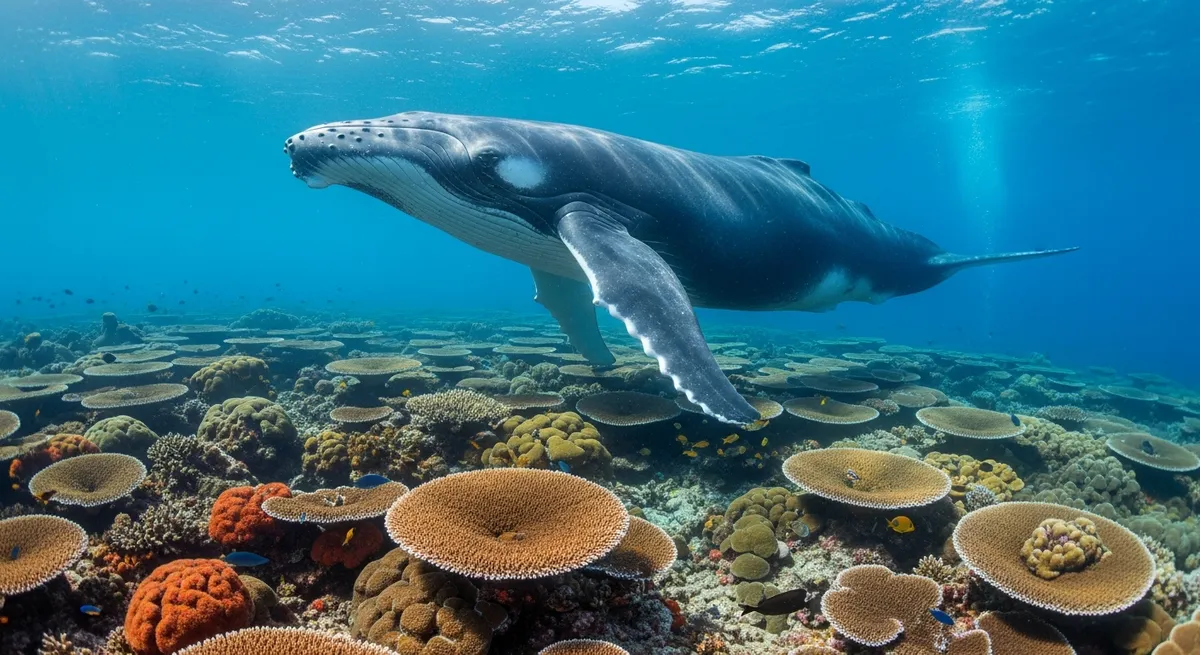
Abrolhos is a quiet surprise, a national marine park off the coast of Bahia that feels genuinely remote. We've always found the unique "chapeirão" coral formations, those mushroom-shaped pillars, to be the main draw here. They create a fascinating topography, full of overhangs and swim-throughs where you'll often spot nurse sharks napping. From July to November, the humpback whales come to breed, and hearing their songs underwater is something truly special. Visibility can be a bit variable, but on a good day, exploring those coral structures, you'll be treated to schools of snapper and barracuda, plus the occasional loggerhead turtle gliding by.
Abrolhos Dive Site Map
Dive sites and dive centres in Abrolhos
Abrolhos Dive Sites
61 dive sites in Abrolhos
ARTHEMIS
The *Arthemis* isn't a deep dive, sitting at a maximum of 5 meters, but don't let that fool you. This is one of our absolute favourite wrecks in Abrolhos for its sheer accessibility and the way it’s been completely swallowed by the reef. She was a steamship, lost long ago, and what remains is less a vessel and more a skeleton of metal completely encrusted in coral and sponges. You’ll weave through the collapsed hull plates, noticing how schools of snapper and grunts practically live in the nooks and crannies. It’s shallow enough that light penetrates everywhere, illuminating the clouds of anthias that pulse over the wreck structure. We love coming here in the late afternoon; the low sun really makes the colours pop and the fish tend to be more active. If you’re into macro, keep your eyes peeled for nudibranchs on the encrusted metal. This site is perfect for photographers, or anyone who enjoys a relaxed dive with a real sense of history.
CASTOR
Castor is a shallow wreck, barely two metres deep, making it perfect for snorkelers or freedivers who want a real taste of Abrolhos history without the tanks. We love that it’s so accessible; you can swim right over the superstructure, which often breaks the surface on a calm day. Down below, the motor vessel’s ribs are an open invitation for exploration, a jumble of metal now completely overgrown. We’ve seen schools of snapper zipping through the gaps, and often, a curious turtle might cruise by, seemingly unfazed by humans. It’s a great spot for underwater photography too, especially with the sunbeams dancing through the shallow water. Keep an eye out for the small nudibranchs clinging to the encrusted metal – they’re our favourite find here.
Chapeirao Atlantida
The Atlântida Cliff is a little visited diving spot in Abrolhos region, but it offers a spectacular dive. The formations provide a dive with several passages and channels, until the arrival to a lounge, where almost 15 divers can fit. The depth ranges from 8 to 32 meters. Maximum depth: 27m. Average visibility: 13m. This dive is full of corals, algae and sponges. Encounters with reef fish, schools, rays, turtles and large grouper, groupers and whiting are common.
Chapeirão Jean Pierre
Formation of endemic coral structures of southern Bahia with an average annual growth of 1 mm, with several passages and tunnels that connect other coral structures in the surroundings. Maximum depth: 19m. Average visibility: 11m. Reef-forming corals such as M. hispida, Milepora alcicomese the endemic brain coral of southern Bahia M. brasiliensis, several carnivorous and herbivorous reef fish.
Chapeirão Mau Mau
The underwater trail is 140 meters long, with 14 pins installed on the sand and cables that connect the points of interest, guiding the route and facilitating the interpretation of each point with its attractions. Maximum depth: 17m. Average visibility: 9m. Giant anemones (Condylactis gigantea), a marine species currently classified as "endangered".
Coroa do Capão
Notable reef in Abrolhos, Brazil. reef in Brazil.
Coroa do Cavalo
Notable reef in Abrolhos, Brazil. reef in Brazil.
Coroa Grande
Coroa Grande gives you a good feel for the Abrolhos coral reefs. It’s a solid dive for spotting the region's endemic brain coral formations. Visibility here can vary, but on a good day, it’s a relaxing cruise over the corals. We’d say it’s a good introductory dive for the area, suitable for most experience levels.
Coroa Grande
Notable reef in Abrolhos, Brazil. reef in Brazil.
Coroa Leste
Coroa Leste is one of Abrolhos' distinctive mushroom-shaped coral formations, or chapeirões. These coral towers rise from the seabed, creating overhangs and swim-throughs home to a variety of reef fish. We find it's a good spot for observing the unique reef structure common to the Abrolhos region, appealing to divers interested in unusual coral formations.
Coroa Leste
Coroa Leste is one of Abrolhos' distinctive mushroom-shaped coral formations, or chapeirões. These coral towers rise from the seabed, creating overhangs and swim-throughs home to a variety of reef fish. We find it's a good spot for observing the unique reef structure common to the Abrolhos region, appealing to divers interested in unusual coral formations.
Coroa Sul
Coroa Sul is a solid dive in Brazil's Abrolhos archipelago, offering a look at the region's unique mushroom-shaped chapeirão corals. These towering formations create plenty of nooks and crannies for smaller reef fish, and we often spot nurse sharks tucked away. The site isn't particularly deep, making it a good choice for newer divers looking for a relaxed exploration of the coral structures. It’s a reliable spot for a calm dive.
Show all 61 dive sites in Abrolhos
- Coroa Sul
- Mergulho e Cia
- Naufrágio Castor
- Naufragio Guadiana
- Naufragio Nebula
- Recife Califórnia
- Recife Califórnia
- Recife da Coroa Alta
- Recife da Coroa Alta
- Recife da Sequaratiba
- Recife da Sequaratiba
- Recife dos Alagados
- Recife dos Alagados
- Recife Itacepanema
- Recife Itacepanema
- Recifes Arajipe
- Recifes Arajipe
- Recifes Aranguera
- Recifes Aranguera
- Recifes Calções de Fora
- Recifes Calções de Fora
- Recifes da Areia
- Recifes da Areia
- Recifes da Pedra Grande
- Recifes da Pedra Grande
- Recifes da Ponta da Coroa Vermelha
- Recifes da Ponta da Coroa Vermelha
- Recifes da Ponta do Mutá
- Recifes da Ponta do Mutá
- Recifes das Timbebas
- Recifes das Timbebas
- Recifes da Viçosa
- Recifes da Viçosa
- Recifes de Fora
- Recifes de Fora
- Recifes de Guaratibas
- Recifes de Guaratibas
- Recifes de Pitiaçu
- Recifes de Pitiaçu
- Recifes do Prado
- Recifes do Prado
- Recifes Itacolomis
- Recifes Itacolomis
- Recifes Sebastião Gomes
- Recifes Sebastião Gomes
- Recifes Sofia
- Recifes Sofia
- ROSALINDA
- SANTA CATHARINA
Abrolhos Dive Centres
9 dive shops and operators in Abrolhos
Abrolhos Embarcações
Afonso Mergulho
Beach Bahia Dive and Adventures
Carpe Diem
Casa do Mergulhador
Horizonte Aberto
Prime Divers Centro de Mergulho
Techdive
Show all 9 dive centres in Abrolhos
Abrolhos Daylight & Sunrise/Sunset
Sunrise and sunset times for Abrolhos, calculated from coordinates
Today - Sunday 11 October
Sunrise
05:13
Sunset
17:36
Daylight
12h 23m
Golden Hour
17:07
First light (dawn) at 04:51 · Last light (dusk) at 17:58
Monthly Averages
| Month | Sunrise | Sunset | Daylight |
|---|---|---|---|
| Jan | 05:15 | 18:18 | 13h 3m |
| Feb | 05:32 | 18:12 | 12h 40m |
| Mar | 05:40 | 17:53 | 12h 13m |
| Apr | 05:46 | 17:29 | 11h 44m |
| May | 05:54 | 17:14 | 11h 20m |
| JunShortest | 06:04 | 17:11 | 11h 7m |
| Jul | 06:07 | 17:19 | 11h 11m |
| Aug | 05:57 | 17:28 | 11h 31m |
| Sep | 05:34 | 17:32 | 11h 59m |
| OctNow | 05:10 | 17:37 | 12h 27m |
| Nov | 04:55 | 17:49 | 12h 54m |
| DecLongest | 04:58 | 18:06 | 13h 8m |
Times are approximate local times based on longitude. Actual times may vary slightly depending on the exact timezone observed in Abrolhos.
Where to Stay near Abrolhos
Prices from Booking.com. We may earn a commission at no extra cost to you.
Marine Protected Areas near Abrolhos
10 protected areas near Abrolhos - please respect local regulations when diving
Área De Proteção Ambiental Ponta Da Baleia / Abrolhos
Reserva Extrativista Corumbau
Abrolhos Marine National Park
Parque Nacional Marinho Dos Abrolhos
Reserva Extrativista De Canavieiras
Reserva Extrativista De Cassurubá
Área De Proteção Ambiental Caraíva/ Trancoso
Coroa Vermelha
Parque Natural Municipal Marinho Do Recife De Fora
Reserva Particular Do Patrimônio Natural Fazenda Avaí
Getting to Abrolhos
Caravelas
Porto Seguro
Vitória
Plan & book
Ways to dive Abrolhos, from day trips to liveaboards.
Day trips & courses
via GetYourGuideGuided dives, courses and snorkel trips with instant booking.
Find dive trips in AbrolhosPlaces to stay
via Booking.comHotels and dive resorts near Abrolhos.
Search stays in AbrolhosDive insurance
Most travel insurance excludes or limits scuba. Check what you need before you go.
Dive insurance explainedPartner links: we may earn a commission if you book, at no extra cost to you. How we make money