Batelao de Cima
Protected Area
Área De Relevante Interesse Ecológico Orla Marítima
Why dive here
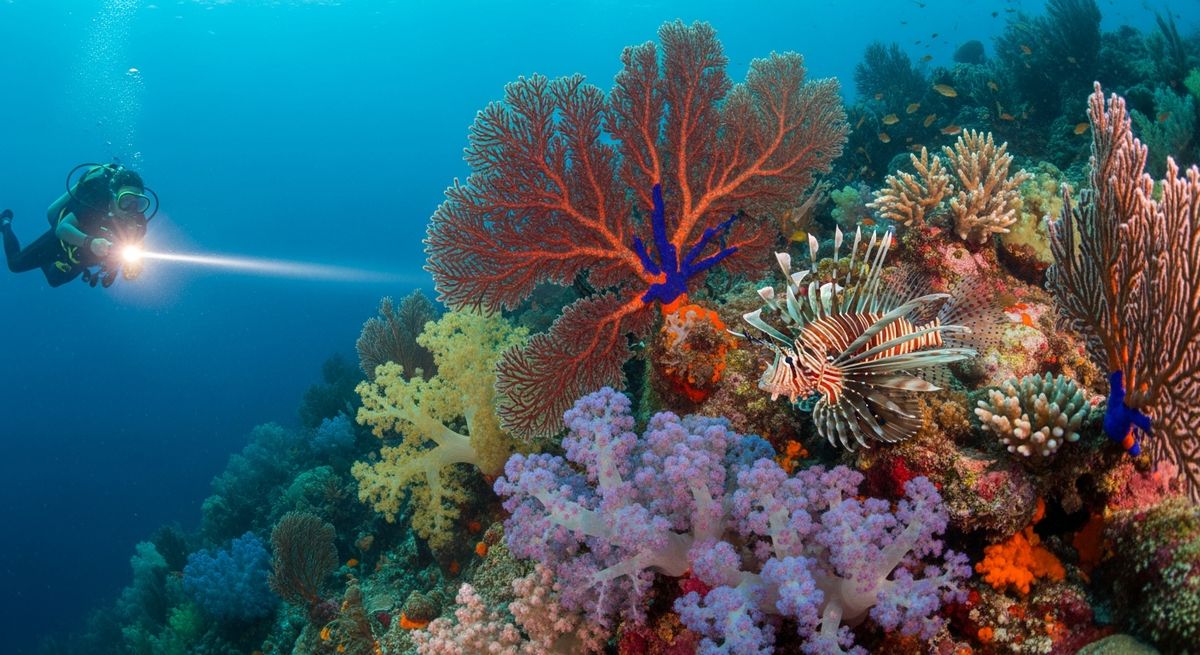
With 44+ marine species recorded in the area - including sea turtles - Batelao de Cima offers some of Fernando de Noronha's richest reef diving. Water ranges 27-29°C, warmest March, April, May.
Batelao de Cima isn't your typical wreck dive. Forget towering steel structures. What we love about this site is the way the ocean has almost completely reclaimed it, leaving just enough to pique your curiosity. The wreck itself, a small ship from the late 19th century, lies mostly buried in the sand at about 12 meters, but don't let that deter you. It’s an exercise in observation. We’ve had some fantastic dives here, especially when the visibility kicks up, though 6 meters is more common. You’ll spend your time scanning the sandy bottom for the ship’s faint outline, often marked by the subtle undulations that hint at something beneath. This lack of obvious structure actually makes it fascinating, encouraging you to really look closely. We’ve spotted bonnethead sharks cruising the periphery and green turtles often settle near the more exposed sections. Small jacks and snappers will dart around the remaining timbers. It's a dive for those who appreciate the subtle beauty of a lost history and the fish that have made a home in its fragments.
Nearest Dive Centres to Batelao de Cima
Dive shops near Batelao de Cima
View all dive centres in Fernando de NoronhaReviews for Batelao de Cima
Conditions
Ocean conditions, forecast and tides for Batelao de Cima
Batelao de Cima Ocean Conditions
Monthly averages for Batelao de Cima, sourced from Open-Meteo marine data + Copernicus Marine (EU) - nearest station: Open-Meteo marine grid (-3.84, -32.38) (0km away)
October Averages
Sea Temperature
27°C
81°F · Range: 26.5–27.9°C
Current Speed
29.15 cm/s
Direction: NW (329°)
Chlorophyll-a
0.035 mg/m³
Very clear (oligotrophic)
Salinity
36.39 PSU
Based on 4 years of monitoring data · Data sources: Open-Meteo marine data + Copernicus Marine (EU)
Plan & book
Ways to dive Fernando de Noronha, from day trips to liveaboards.
Day trips & courses
via GetYourGuideGuided dives, courses and snorkel trips with instant booking.
Find dive trips in Fernando de NoronhaPlaces to stay
via Booking.comHotels and dive resorts near Fernando de Noronha.
Search stays in Fernando de NoronhaDive insurance
Most travel insurance excludes or limits scuba. Check what you need before you go.
Dive insurance explainedPartner links: we may earn a commission if you book, at no extra cost to you. How we make money
Where to Stay near Batelao de Cima
Prices from Booking.com. We may earn a commission at no extra cost to you.