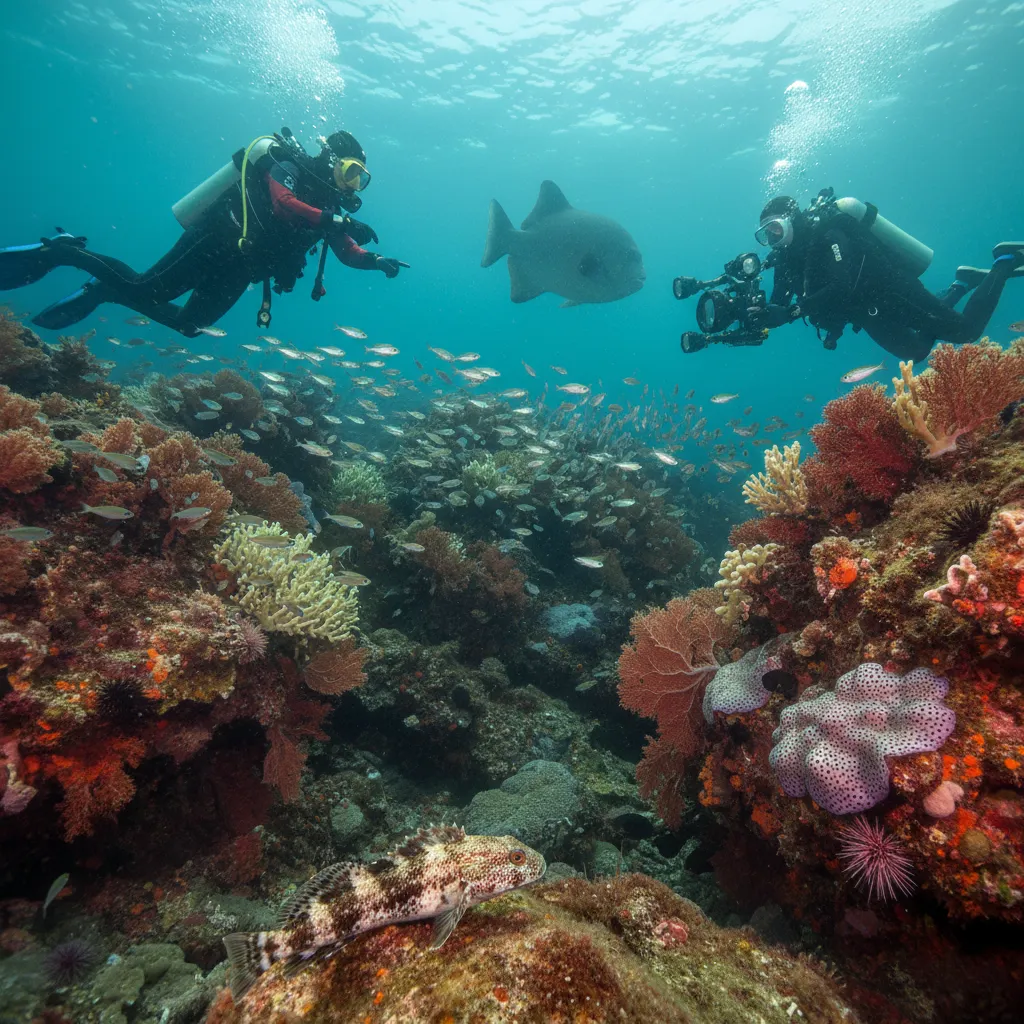

Diving in Chile
Why dive here
Chile offers rich diving, with 54+ marine species recorded in its waters - including bull sharks, humpback whales, octopuses, sperm whales and pufferfish. Water ranges 18-23°C, warmest February, March, April.
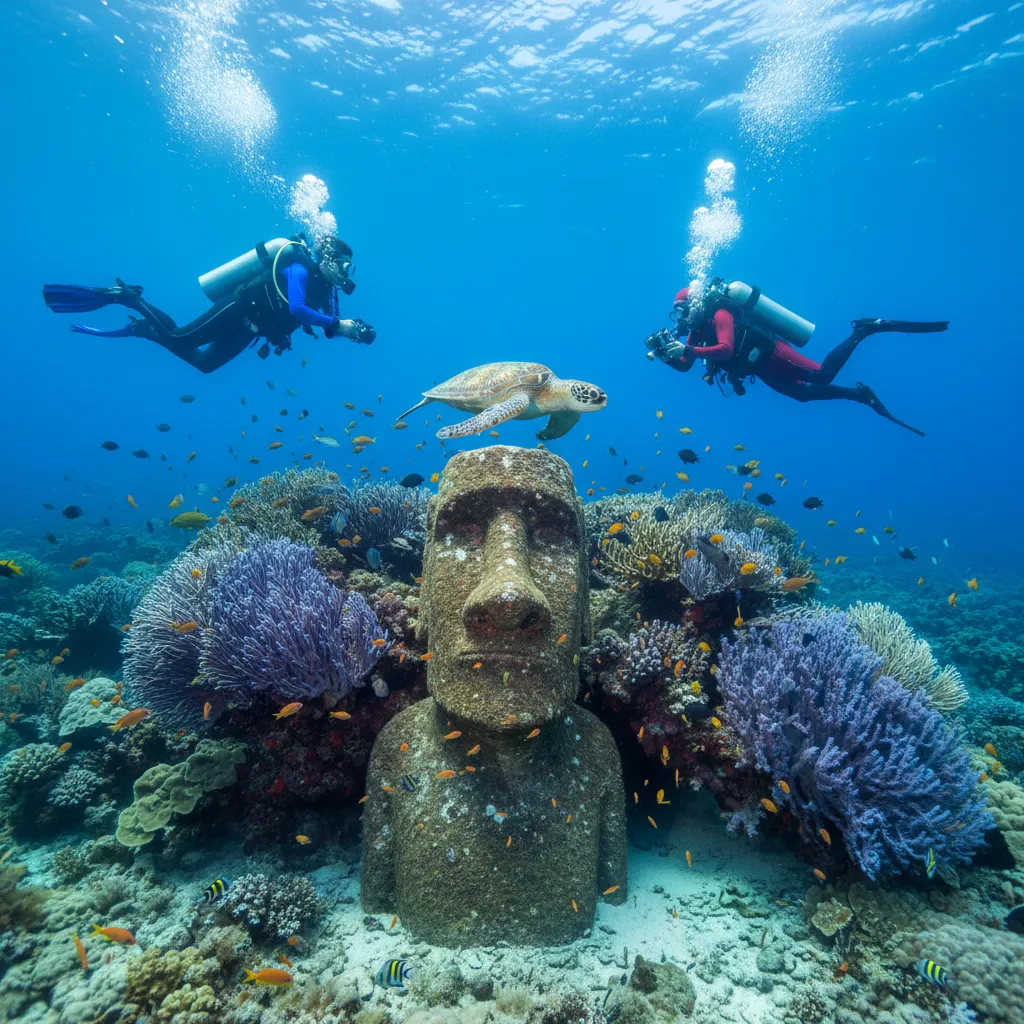
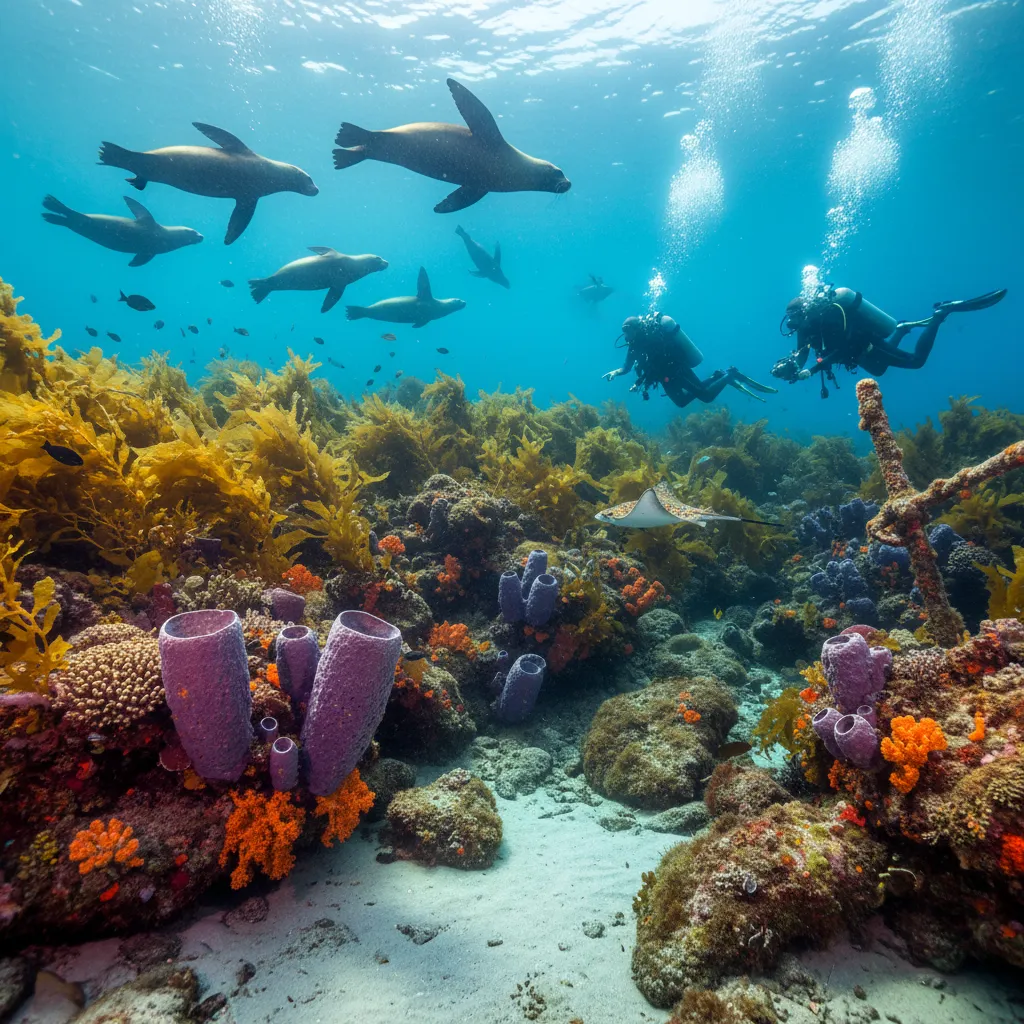
Chile isn't your typical Caribbean dive trip, and that's precisely why we love it. This is a destination for the adventurous, for those who appreciate the unique over the uniform. We're talking about two vastly different, utterly compelling sub-regions: the remote, volcanic wonder of Easter Island, or Rapa Nui as the locals call it, and the isolated biodiversity hotspot of the Juan Fernández Islands. Easter Island brings astonishing visibility, often exceeding 40 metres, alongside dramatic underwater lava formations and a surprising number of endemic species you won't spot anywhere else. Imagine diving alongside an underwater Moai, its silent gaze following you through the blue. The Juan Fernández archipelago, a UNESCO Biosphere Reserve, offers a completely different vibe, with kelp forests, fur seals, and the chance to encounter species like the curious Juan Fernández fur seal. Forget the tropical fish clichés; here, it's all about the odd, the endemic, and the extraordinary. We’d suggest visiting between November and March for the warmest water and best conditions.
Chile Dive Regions Map
Chile Dive Regions
2 diving areas in Chile
Easter Island (Rapa Nui)
Diving Rapa Nui isn't about chasing huge pelagics, though a bull shark might cruise by if you're lucky. Instead, it’s all about the water itself and the geological drama playing out underwater. Visibility often stretches to 60 metres, sometimes more, giving a feeling of endless space as you drift past volcanic caverns and towering pinnacles. You'll spot some interesting endemics, like the Easter Island butterflyfish or the dotted wrasse, alongside a respectable collection of morays and an abundance of starfish. There’s a quiet beauty to these reefs, with unusual coral formations like the cauliflower coral and petaloid corals adding texture to the stark volcanic rock. It's a remote experience, certainly, but one that feels genuinely unique.
Juan Fernandez Islands
Out in the Pacific, the Juan Fernandez Islands feel wonderfully remote. We’ve found the diving here to be pretty unique, a real showcase for those deepwater, endemic species you just won't spot anywhere else. Expect to come face to face with the famously curious Juan Fernandez fur seals, and keep an eye out for the vibrant California yellowtail that cruise these waters. We particularly enjoy the wreck dives, which offer some interesting exploration. The currents can be playful, adding a bit of spice, but generally, it’s a good spot for intermediate divers looking for something a little different.
Ocean Wildlife in Chile
54 species recorded in Chile
Chile Visa Requirements
Check if you need a visa to dive in Chile
Plan & book
Ways to dive Chile, from day trips to liveaboards.
Day trips & courses
via GetYourGuideGuided dives, courses and snorkel trips with instant booking.
Find dive trips in ChilePlaces to stay
via Booking.comHotels and dive resorts near Chile.
Search stays in ChileDive insurance
Most travel insurance excludes or limits scuba. Check what you need before you go.
Dive insurance explainedPartner links: we may earn a commission if you book, at no extra cost to you. How we make money