
Diving in Colombia
Why dive here
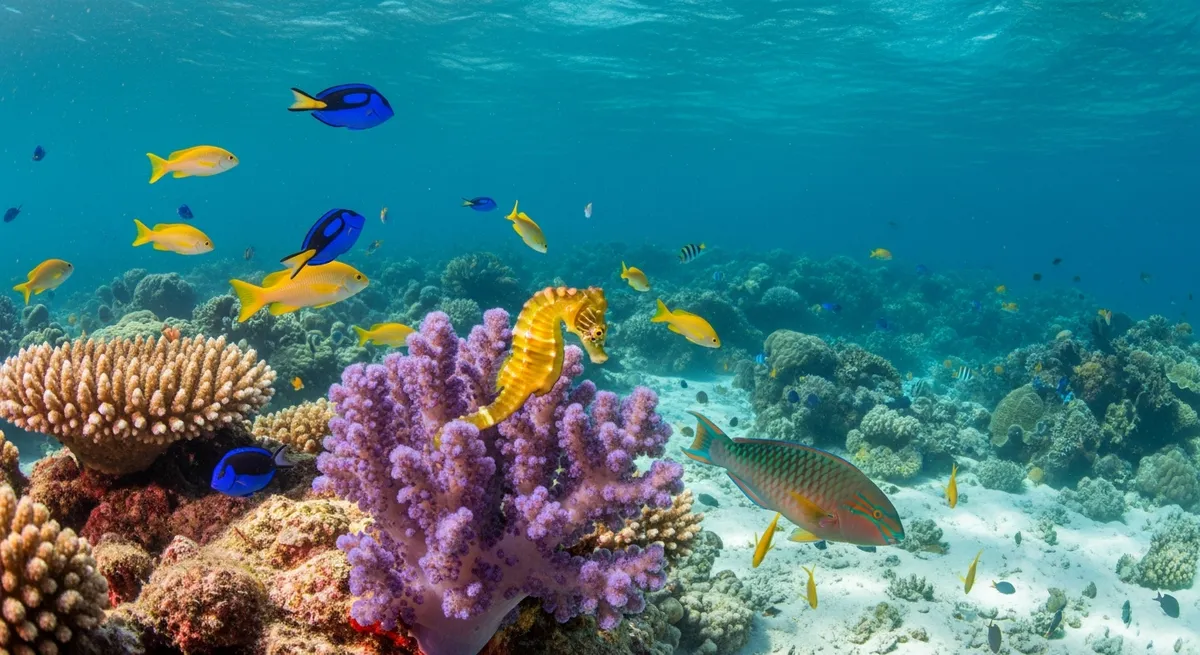
Colombia offers rich diving, with 542+ marine species recorded in its waters - including barracuda, blue sharks, dolphins, eagle rays and hammerhead sharks. Water ranges 28-30°C, warmest June, September, October.
Colombia is a country that’s only just started to properly reveal its underwater secrets, and frankly, we’re thrilled about it. For years, Malpelo Island has been the poster child, a truly spectacular volcanic outcrop far out in the Pacific where you’re practically guaranteed to see hundreds of hammerheads and silky sharks cruising by. But there’s so much more. On the Caribbean side, places like San Andrés and Providencia dish out classic reef diving, all vibrant corals and slow drifts over the sand, perfect for spotting parrotfish and angelfish. Santa Marta and Tayrona offer a different vibe, with rocky reefs and a chance to dive into the national park's protected areas. The Pacific coast, especially around Gorgona Island, throws up bigger pelagics, with whale sharks and humpbacks making appearances depending on the season. If you’re looking for big animal action, we’d suggest August through October for Malpelo, when the hammerheads are really schooling. Currents can be fierce there, though, so it's not a spot for the faint of heart. Overall, Colombia feels like a proper adventure, a place where you’re still discovering new things on every trip.
Colombia Dive Regions Map
Colombia Dive Regions
6 diving areas in Colombia
Capurganá & Gulf of Urabá
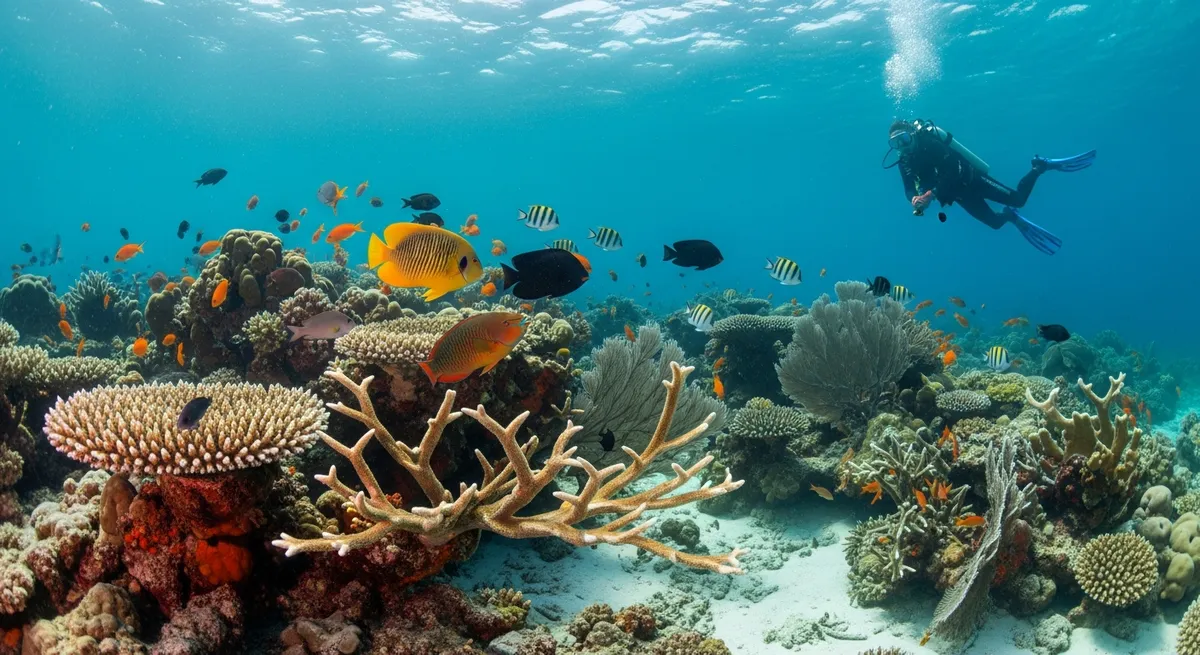
Remote Caribbean border region with pristine coral reefs, clear waters, and minimal tourism development near the Darién Gap.
Cartagena & Pacific Coast
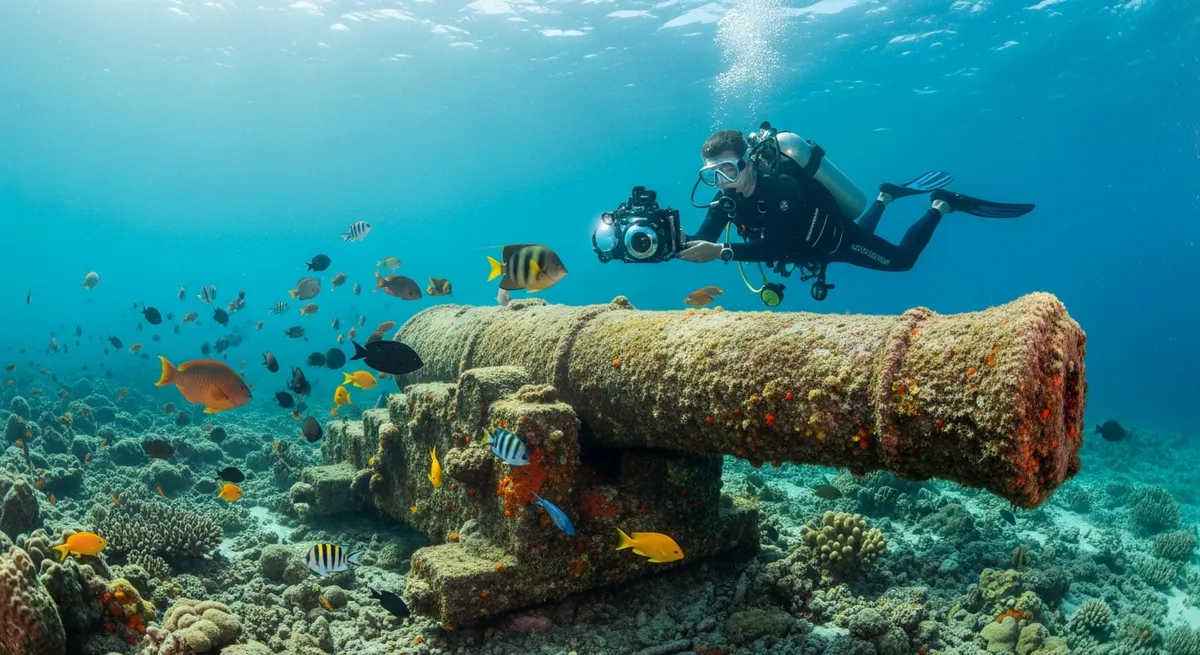
Caribbean reefs near historic Cartagena. The Rosario Islands marine park with seahorses and frogfish.
Gorgona Island
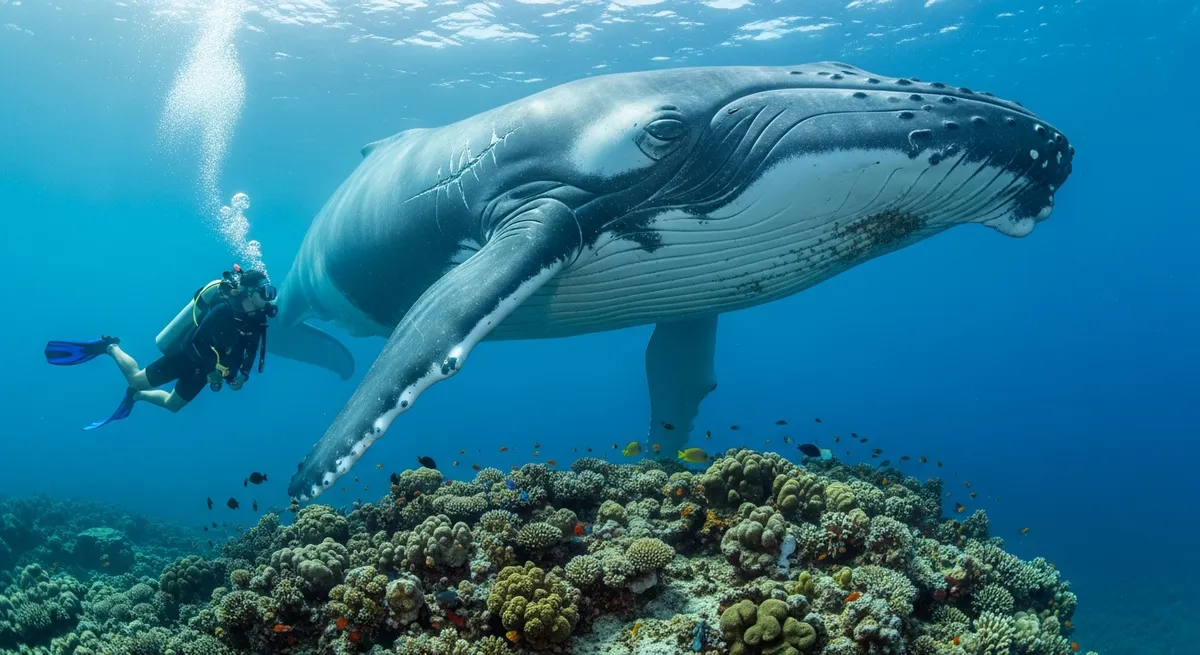
A former prison island now a national park with humpback whale encounters, whale sharks, and pristine Pacific reefs.
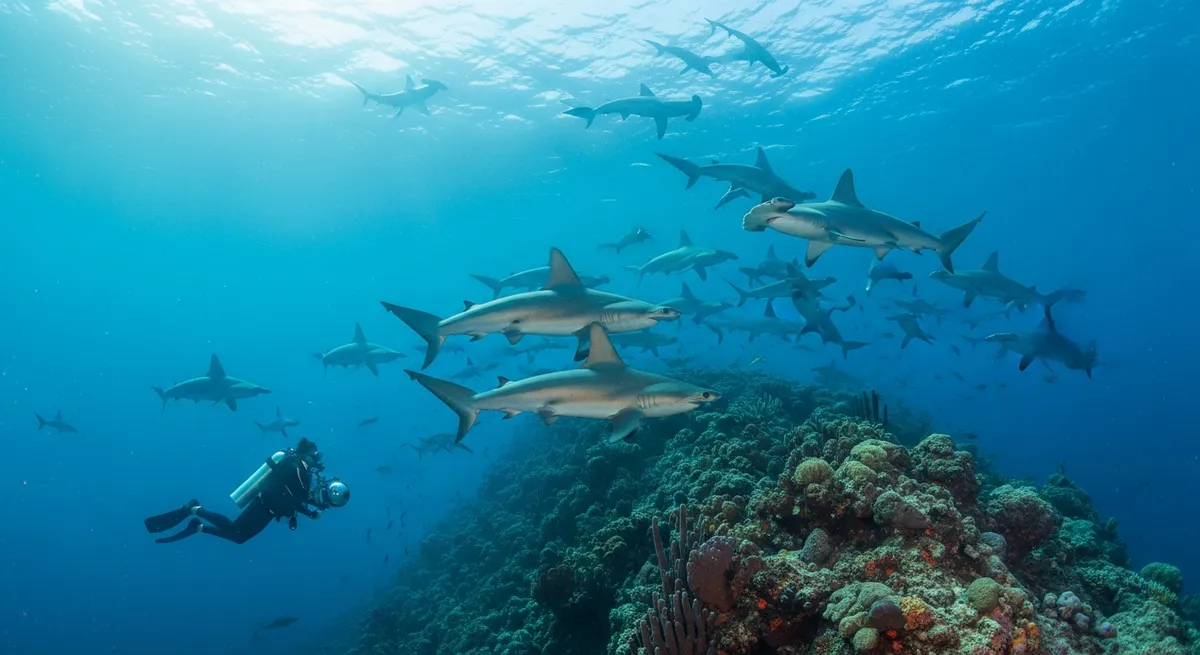
Malpelo Island
Malpelo isn't for the faint of heart, but if you’re up for a serious adventure, it’s one of the most raw, exhilarating places we've ever dived. This isolated rock, 500km off Colombia’s coast, is a UNESCO site because of what it *holds*: colossal schools of hammerheads and silky sharks. We’re talking hundreds, sometimes thousands, swirling around you. It’s an almost overwhelming sensory experience; the sheer number of sharks is incredible, a constant motion in the blue. Visibility can often hit 30 metres, letting you see the true scale of these congregations. Our favourite dives are often around the pinnacles, where the currents really bring in the big stuff. You’ll feel the surge, no doubt, but that’s what makes Malpelo so electric. Forget delicate reef fish, this is about apex predators and the vast, open ocean. Be prepared for strong currents and remote living; this isn't a luxury trip. Go during the drier months, January to May, for the best chance at calmer seas, though the sharks are always around.
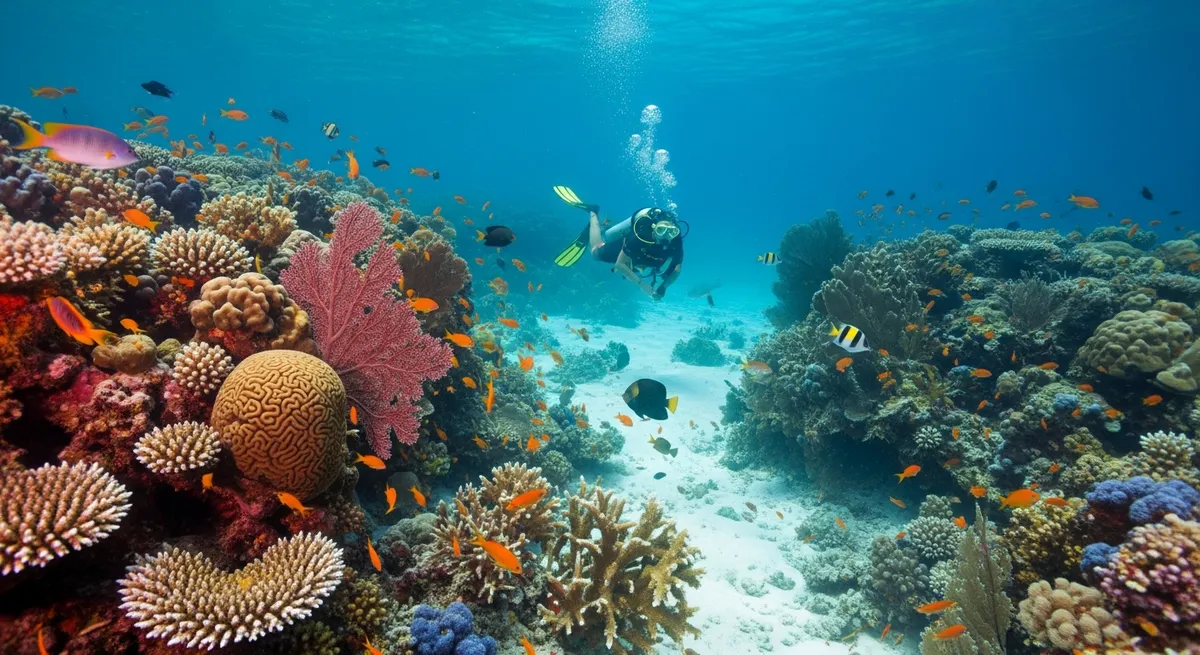
San Andrés & Providencia
Caribbean islands with the world's third-largest barrier reef in a UNESCO Biosphere Reserve.
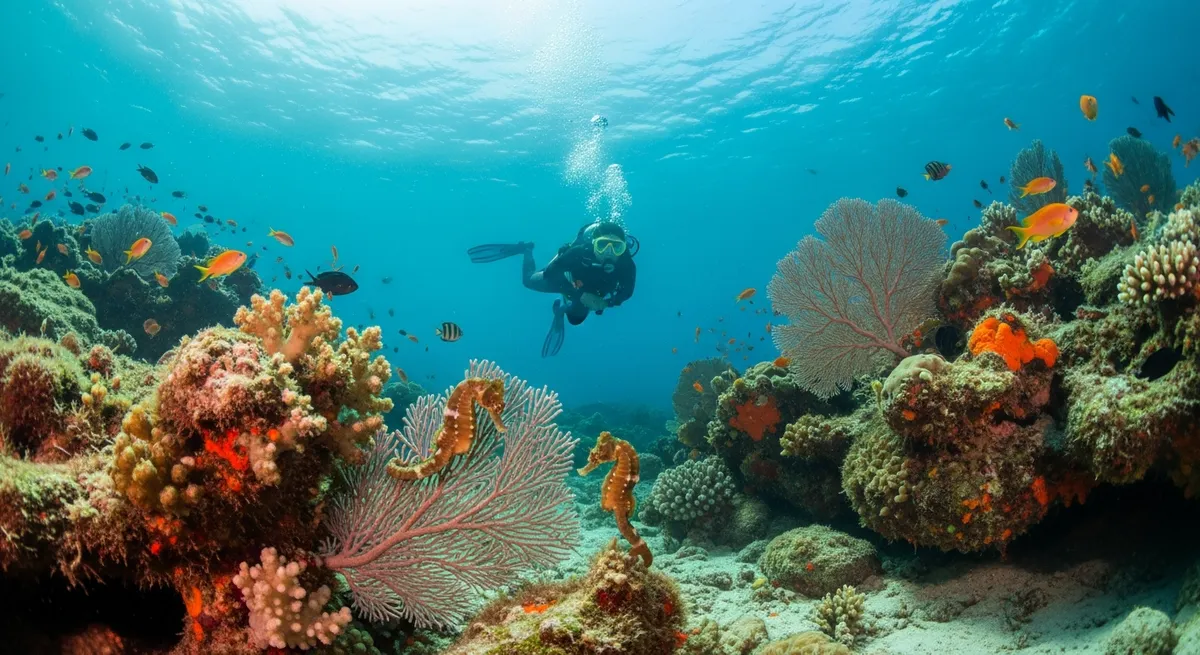
Santa Marta & Tayrona
Santa Marta’s main draw is its easy access to Tayrona National Park. We think that’s where the magic really happens. Imagine granite boulders, smoothed over eons, tumbling into the Caribbean, creating a unique habitat. The water here feels different, cooler, a mix of mountain runoff and ocean current. We love the drift dives around the outer reefs, keeping an eye out for bridled dolphins slicing through the blue. You’ll spot plenty of puffers tucked into crevices, their eyes following your every move. It’s not about huge pelagics here, more about the smaller details - lesser rock shrimp waving their antennae from tiny ledges, or the flashes of dwarf wrasse darting between coralline brittle stars. Visibility can vary, especially after heavy rains, but on a good day, it's a solid 15-20 meters. Our favourite time to visit is May to October, when the seasonal turtle nesting activity brings a quiet buzz to the area. For something a bit different, ask about the deeper spots where lawyer and viperfish have been occasionally seen - a true deep diver's reward.
Ocean Wildlife in Colombia
542 species recorded in Colombia
Colombia Visa Requirements
Check if you need a visa to dive in Colombia
Plan & book
Ways to dive Colombia, from day trips to liveaboards.
Day trips & courses
via GetYourGuideGuided dives, courses and snorkel trips with instant booking.
Find dive trips in ColombiaPlaces to stay
via Booking.comHotels and dive resorts near Colombia.
Search stays in ColombiaDive insurance
Most travel insurance excludes or limits scuba. Check what you need before you go.
Dive insurance explainedPartner links: we may earn a commission if you book, at no extra cost to you. How we make money