
Diving in Peru
Why dive here
Peru offers rich diving, with 100+ marine species recorded in its waters - including blue whales, dolphins, hammerhead sharks, humpback whales and manta rays. Water sits around 23°C.
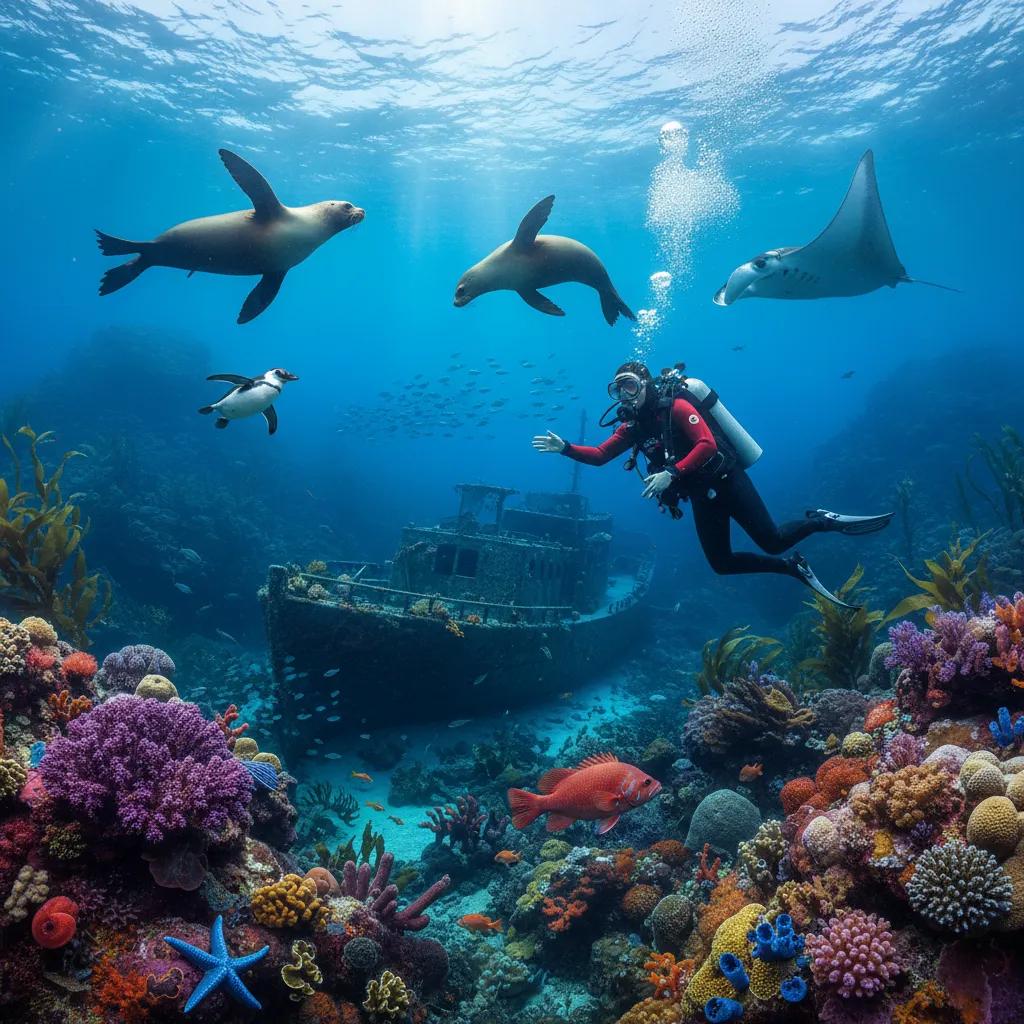
When we talk about diving in South America, Peru often gets overlooked, and that’s a real shame because it offers something genuinely different. Forget the colourful reefs of the Caribbean; here, the Humboldt Current delivers an entirely unique, nutrient-rich experience. We’re talking about massive kelp forests, playful sea lion colonies, and surprisingly large octopus around Lima and the Palomino Islands - it’s a cooler water, macro-focused adventure. For a change of pace, the far north around Mancora gives you warmer water and a chance to spot species like smooth hammerheads, especially during the summer months from December to March. While it might not be a high-volume dive destination, the sheer productivity of the ecosystem and the chance to encounter barnacle blennies, blue bobos, or even orcas if you're very lucky, makes Peru a standout for the adventurous diver.
Peru Dive Regions Map
Peru Dive Regions
2 diving areas in Peru
Lima & Palomino Islands
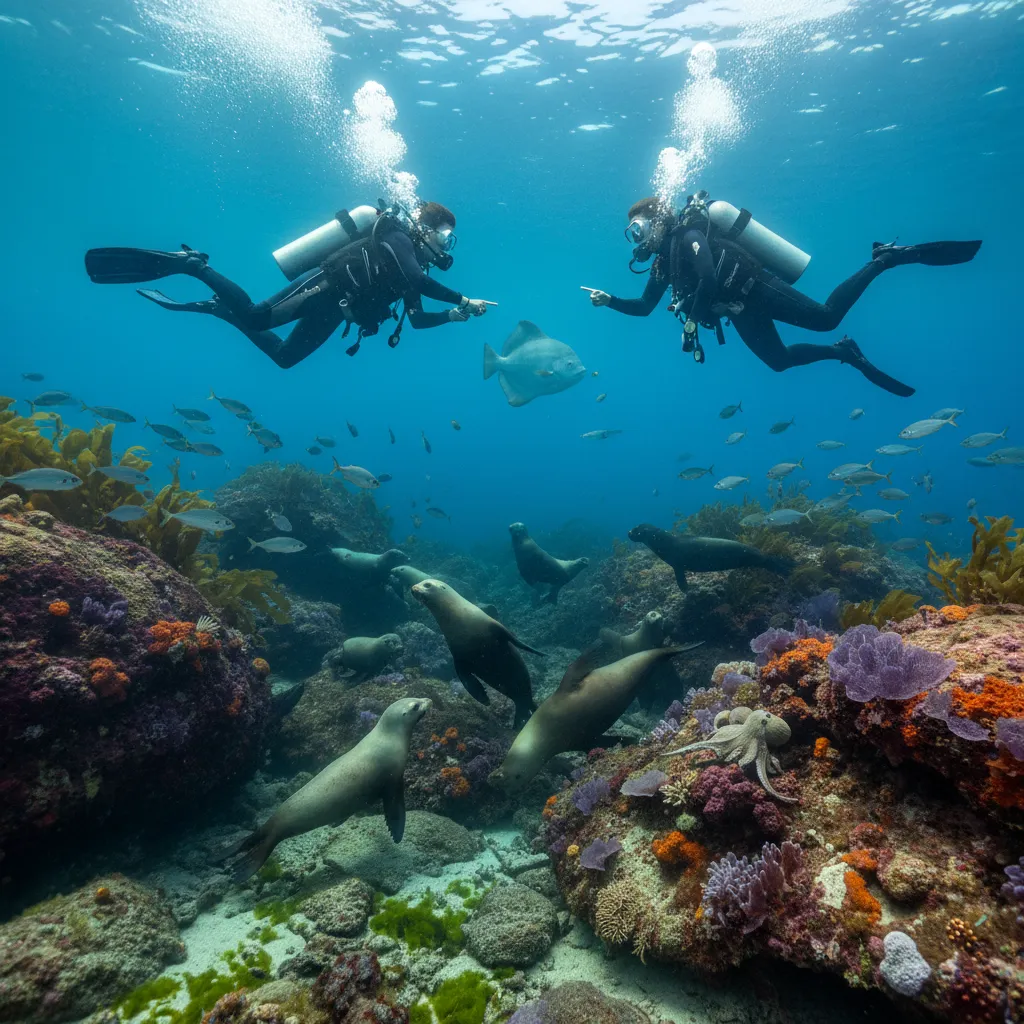
Diving near Lima? Yeah, you heard right. It's not your typical tropical getaway, and that’s precisely why we love it. The Palomino Islands are a short boat ride from Callao, and the main draw is undeniably the colossal sea lion colony. Imagine descending into the cool Humboldt Current waters, the visibility often a decent 10-15 metres, and then encountering hundreds, sometimes thousands, of playful sea lions. They’re curious, they nip at your fins, and they zoom past with surprising speed. This isn’t about colourful corals; it's about the sheer energy of these animals and the unique kelp forests they inhabit. We've seen Atlantic yellow-nosed albatross circling above, diving for anchovies, while below, schools of bumper and jack swirl through the kelp. Keep an eye out for jewel morays tucked into rocky crevices. The currents can be moderate, nothing too wild, but enough to make it feel like an ocean dive. We’d suggest going in the morning; the sea lions seem more active, and the light penetration through the kelp is something else. It's a raw, exciting experience, far from the polished reefs, and our pick for something truly different in South America.
Mancora & North Coast
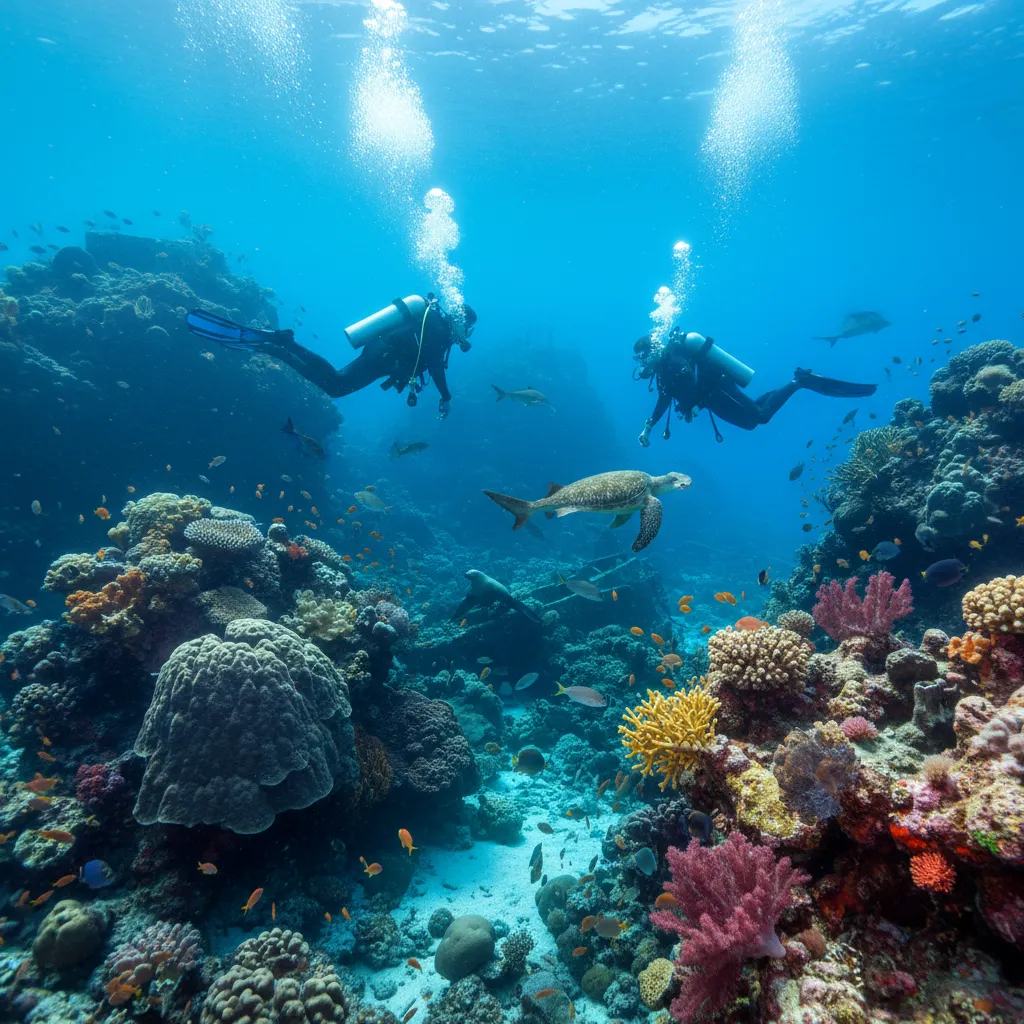
Peru. Yeah, we know what you’re thinking: Nazca lines, Machu Picchu, ceviche. Diving? Most divers don’t even have it on their radar, and honestly, we love that about Mancora. This isn't the Caribbean, so ditch any expectations of postcard-perfect visibility every single day. What you get here, at the very tip of Peru’s tropical north, is something far more interesting: a collision of currents that brings big pelagic life close to shore. We’re talking about a real chance to spot blue whales migrating through, usually between June and October. That’s not a guaranteed sighting, of course, but just knowing they’re out there adds a buzz to every boat ride. Dive sites like “El Ñuro” are essentially rocky pinnacles, often with strong surge, but the pay-off can be huge. We’ve bumped into schools of jacks so thick you lose your buddy, and on a really good day, a Galapagos bullhead shark cruising the deeper ledges. Our favourite, though, has to be looking for the Bloody Frogfish and Fire Tentacle Anemones, tucked away in crevices on the reefs. It’s a completely different vibe than the usual tropical reef, a bit wilder, a bit more unpredictable, and that’s precisely why we keep coming back.
Ocean Wildlife in Peru
100 species recorded in Peru
Peru Visa Requirements
Check if you need a visa to dive in Peru
Plan & book
Ways to dive Peru, from day trips to liveaboards.
Day trips & courses
via GetYourGuideGuided dives, courses and snorkel trips with instant booking.
Find dive trips in PeruPlaces to stay
via Booking.comHotels and dive resorts near Peru.
Search stays in PeruDive insurance
Most travel insurance excludes or limits scuba. Check what you need before you go.
Dive insurance explainedPartner links: we may earn a commission if you book, at no extra cost to you. How we make money