
Diving in Venezuela
Why dive here
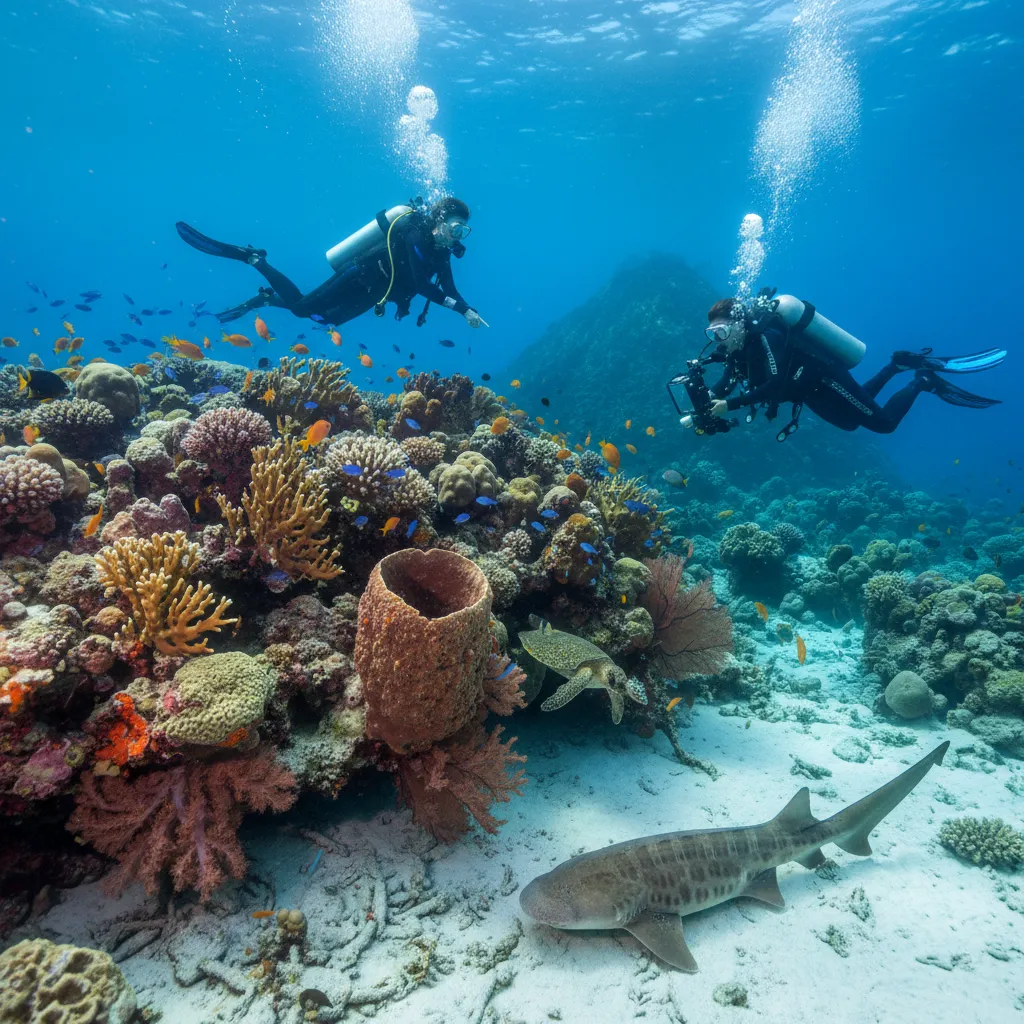
Venezuela offers rich diving, with 425+ marine species recorded in its waters - including barracuda, blue sharks, bull sharks, dolphins and eagle rays. Water sits around 28°C.
Venezuela, particularly the Los Roques Archipelago, delivers a genuinely remote Caribbean dive trip that’s increasingly rare to find. We’re talking about an entire national park, largely undeveloped, where the sheer volume of fish like barbers, damselfish, and parrotfish can make it feel like swimming through a living current. Visibility often stretches to 30 meters plus, giving you endless views of the reef structure and the occasional spotted soapfish lurking in the shadows. For us, the move here is to base yourself on Gran Roque and explore the surrounding cays, hitting sites where the Lamarck's sheet coral thrives and schools of silverfish flash by. While Morrocoy and Chichiriviche offer more accessible diving, Los Roques is where you'll find the quiet, uncrowded dives we all dream about, especially from November to May when the weather is at its calmest.
Venezuela Dive Regions Map
Venezuela Dive Regions
2 diving areas in Venezuela
Los Roques Archipelago
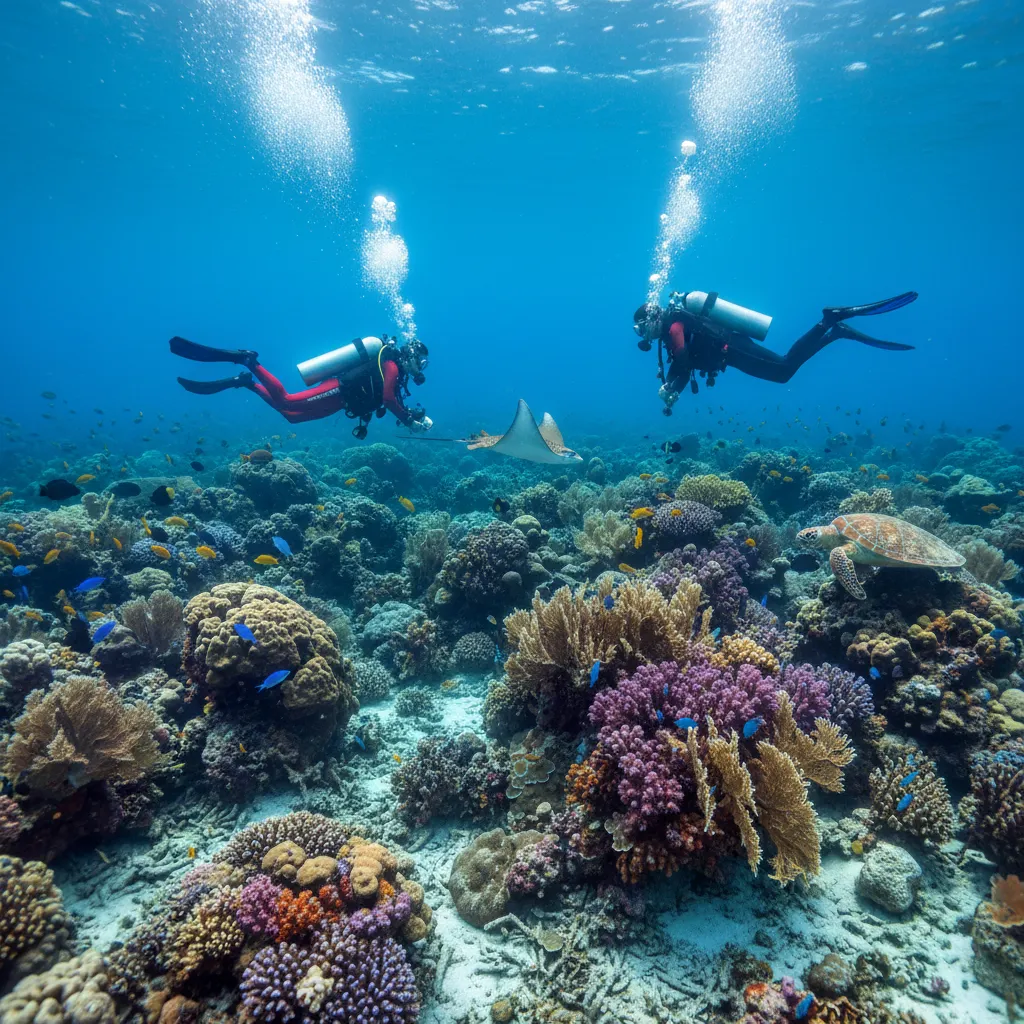
Los Roques is a place we’ve talked about extensively. It’s a national park, which means the reefs are in genuinely good shape, and the water clarity is something you’ll remember long after you’ve toweled off. We’re talking about consistently excellent visibility, often pushing past 30 metres, which is a real treat for photographers. We love the feeling of drifting along the reef here, spotting big schools of snapper and grunt, the occasional curious angelfish, and some impressive parrotfish munching on the corals. Keep an eye out for the Florida pompano; they’re often zipping around. The Chain Moray is another common sight, peeking out from crevices. Our favourite thing to do is find a quiet spot and just watch the reef ecosystem go about its business - there’s a quiet hum to it all. It’s not about huge pelagics here, though you might get lucky. It’s about healthy reef systems and the smaller, fascinating details. The wreck is a nice change of pace, too. Currents are generally manageable, making it an easy-going dive for most levels.
Morrocoy & Chichiriviche
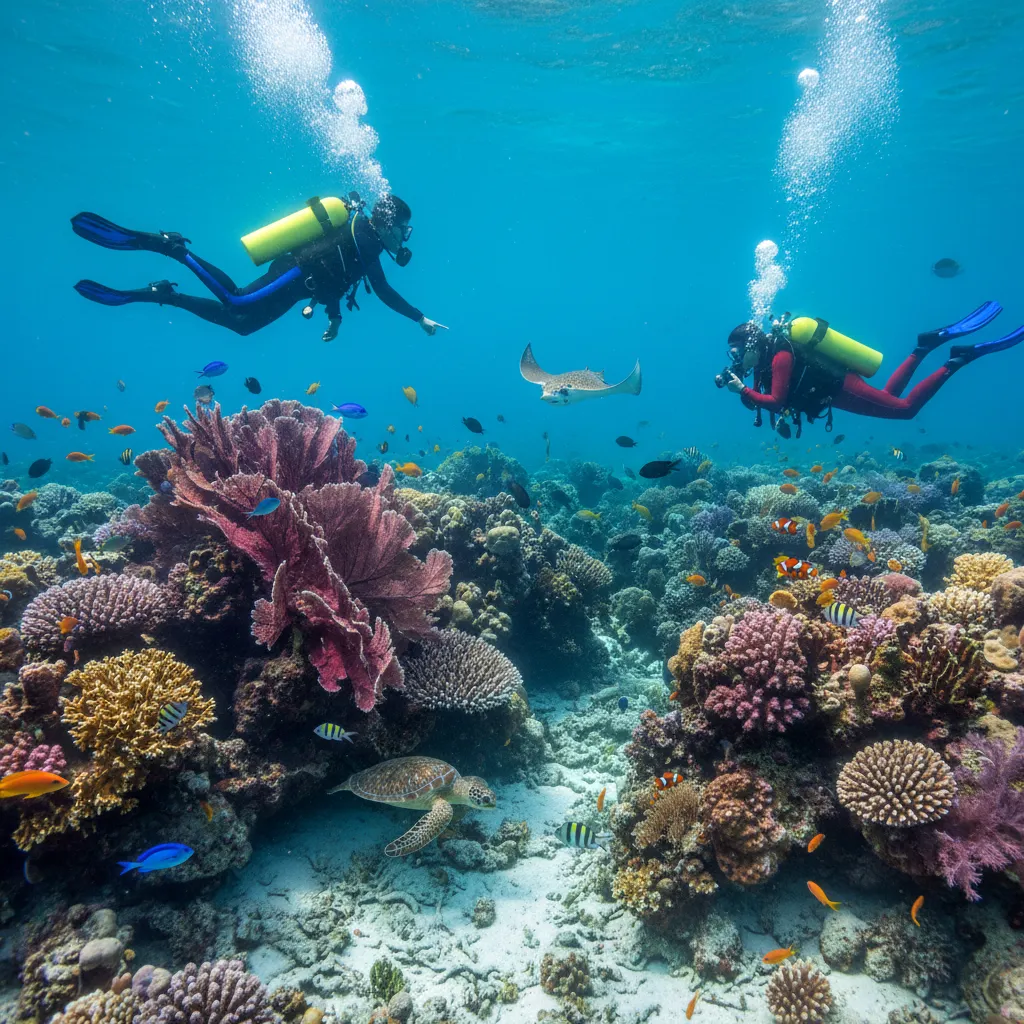
Morrocoy, with its scattered islands and mainland mangroves, isn’t about huge pelagics or dramatic drop-offs. It’s about the smaller things, the quiet details you might miss if you’re always looking out to sea. We love the feeling of slipping into the calm, warm water, especially around the leeward side of places like Cayo Sombrero. You’ll spend most dives between 10 and 18 metres, often drifting gently over patch reefs or alongside a quiet wall. Our favourite dives often involve a slow cruise, letting the current do the work while we hunt for Slender Filefish tucked into gorgonians or watch Atlantic Lookdowns shimmer past. Keep an eye out for the Elliptical star coral and Great star coral formations - they’re pretty spectacular in their own right, and often host Christmas tree worms in every colour you can imagine. We’d suggest focusing on the morning dives; the light penetration through the shallows is just gorgeous, really bringing out the reds and oranges of the sponges. Conditions here are generally very mellow, making it a super spot for getting back into the swing of things after a break, or for newer divers.
Ocean Wildlife in Venezuela
425 species recorded in Venezuela
Venezuela Visa Requirements
Check if you need a visa to dive in Venezuela
Plan & book
Ways to dive Venezuela, from day trips to liveaboards.
Day trips & courses
via GetYourGuideGuided dives, courses and snorkel trips with instant booking.
Find dive trips in VenezuelaPlaces to stay
via Booking.comHotels and dive resorts near Venezuela.
Search stays in VenezuelaDive insurance
Most travel insurance excludes or limits scuba. Check what you need before you go.
Dive insurance explainedPartner links: we may earn a commission if you book, at no extra cost to you. How we make money