Bhayangkara
Protected Area
KAWASAN KONSERVASI PERAIRAN DAERAH PULO PASI GUSUNG KABUPATEN SELAYAR
Why dive here
With 203+ marine species recorded in the area - including manta rays, mobula rays (devil rays), pygmy seahorses, sea turtles and sperm whales - Bhayangkara offers some of Komodo's richest reef diving. Water ranges 28-30°C, warmest April, May, November.
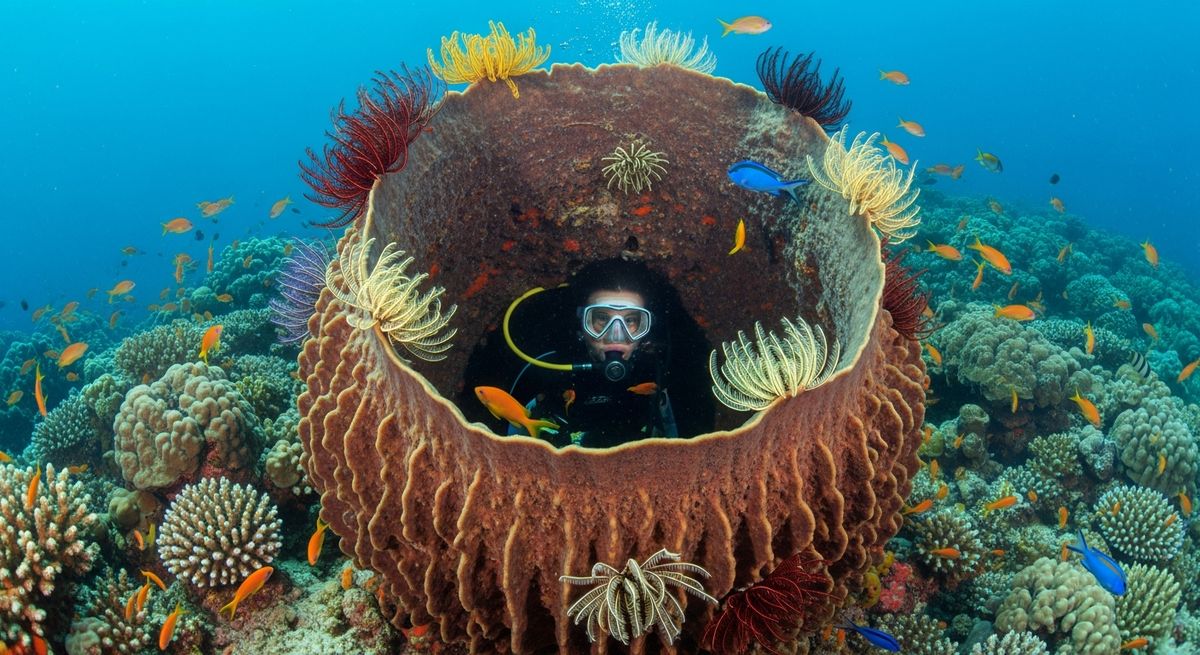
Bhayangkara, a quick 20-minute run from Benteng Harbour, offers a mellow dive perfect for an easy afternoon. The site gently slopes to about 15 metres, a nice mix of white sand and coral patches. We often spot green and hawksbill turtles gliding past, and the blue-spotted stingrays usually hang out on the sandy bottom. Keep an eye out for pink anemonefish in their homes and the occasional leaf scorpionfish camouflaged amongst the reef. It's a relaxed dive, good for beginners or anyone looking for a chill underwater cruise, though we’ve seen the surface get a bit choppy in certain seasons.
Typical Bhayangkara Dive Profile
Illustrative profile based on site depth and type. Actual dive profiles vary - always follow your dive computer and training.
Nearest Dive Centres to Bhayangkara
Dive shops near Bhayangkara
View all dive centres in KomodoReviews for Bhayangkara
Conditions
Ocean conditions, forecast and tides for Bhayangkara
Bhayangkara Ocean Conditions
Monthly averages for Bhayangkara, sourced from Open-Meteo marine data + Copernicus Marine (EU) - nearest station: Open-Meteo marine grid (-8.39, 119.8) (79km away)
October Averages
Sea Temperature
30°C
85°F · Range: 28.1–30.9°C
Current Speed
4.24 cm/s
Direction: NW (315°)
Chlorophyll-a
0.175 mg/m³
Clear water
Salinity
34.03 PSU
Based on 4 years of monitoring data · Data sources: Open-Meteo marine data + Copernicus Marine (EU)
Plan & book
Ways to dive Komodo, from day trips to liveaboards.
Day trips & courses
via GetYourGuideGuided dives, courses and snorkel trips with instant booking.
Find dive trips in KomodoPlaces to stay
via Booking.comHotels and dive resorts near Komodo.
Search stays in KomodoDive insurance
Most travel insurance excludes or limits scuba. Check what you need before you go.
Dive insurance explainedPartner links: we may earn a commission if you book, at no extra cost to you. How we make money
Where to Stay near Bhayangkara
Prices from Booking.com. We may earn a commission at no extra cost to you.