
Diving in Indonesia
Why dive here
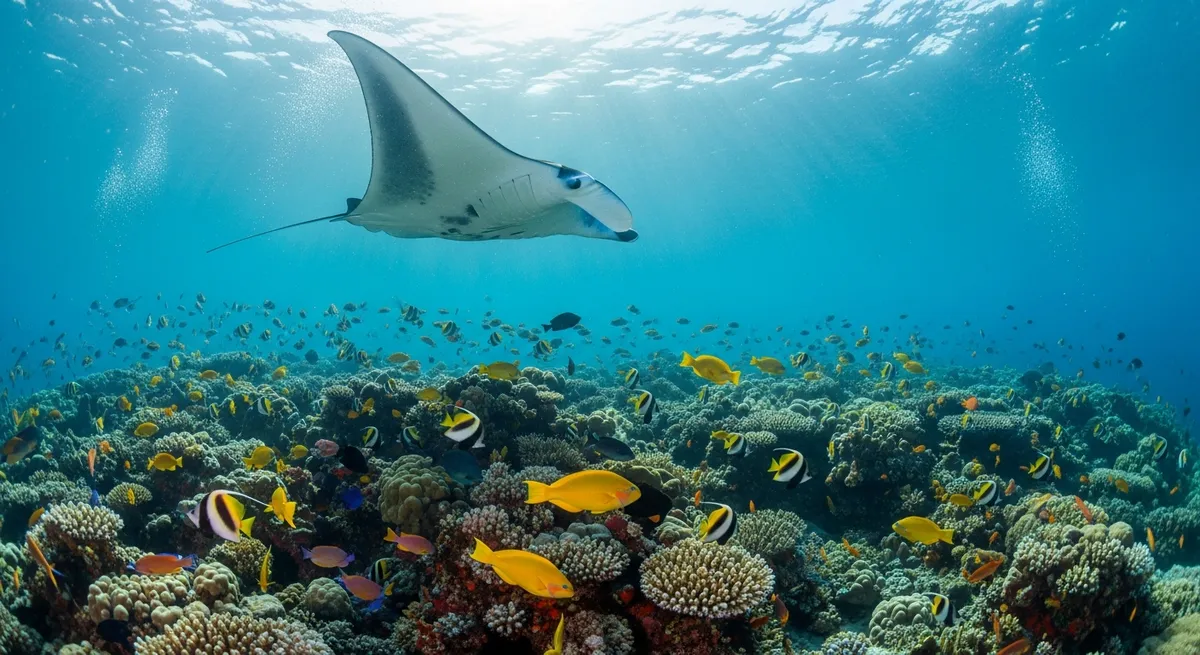
Indonesia offers rich diving, with 805+ marine species recorded in its waters - including barracuda, blacktip reef sharks, blue-spotted stingrays, blue whales and bull sharks. Water ranges 28-30°C, warmest April, November, December.
Indonesia is… a lot. If you’re a diver, it’s not just a country, it’s a commitment. We’re talking about the Coral Triangle’s absolute nucleus, a place where it feels like every single dive site on Earth wants to be. Forget just "a lot of fish," we mean a ridiculous, almost unbelievable amount of diversity - from the tiny, perfect Stobbs' Pygmygoby tucked into a coral head to the Gray Reef Sharks patrolling Komodo's famous currents. You could spend a lifetime here and barely scratch the surface, but if we had to pick, Raja Ampat in the east for sheer, unadulterated reef health, or Komodo for the exhilarating, fast-paced drift dives alongside its famous dragons. Bali, of course, offers a brilliant mix, including some fantastic macro life if you're into the smaller stuff. The diving generally holds up year-round somewhere, but for the wider eastern areas, May to October often brings calmer seas. Just remember, strong currents are part of the deal in many of the best spots; it’s a small price for seeing so much life.
Indonesia Dive Regions Map
Indonesia Dive Regions
13 diving areas in Indonesia
Alor
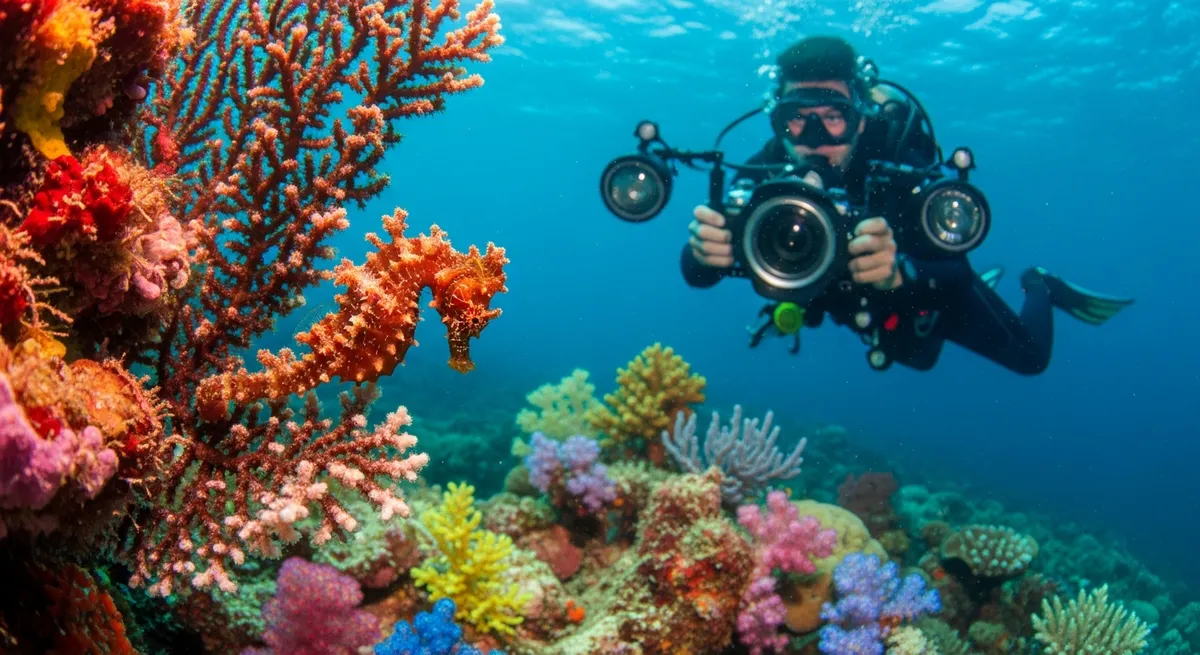
Remote eastern Indonesia offers nutrient-rich waters with stunning soft coral gardens, pelagic encounters, and unique critters.
Ambon & Maluku
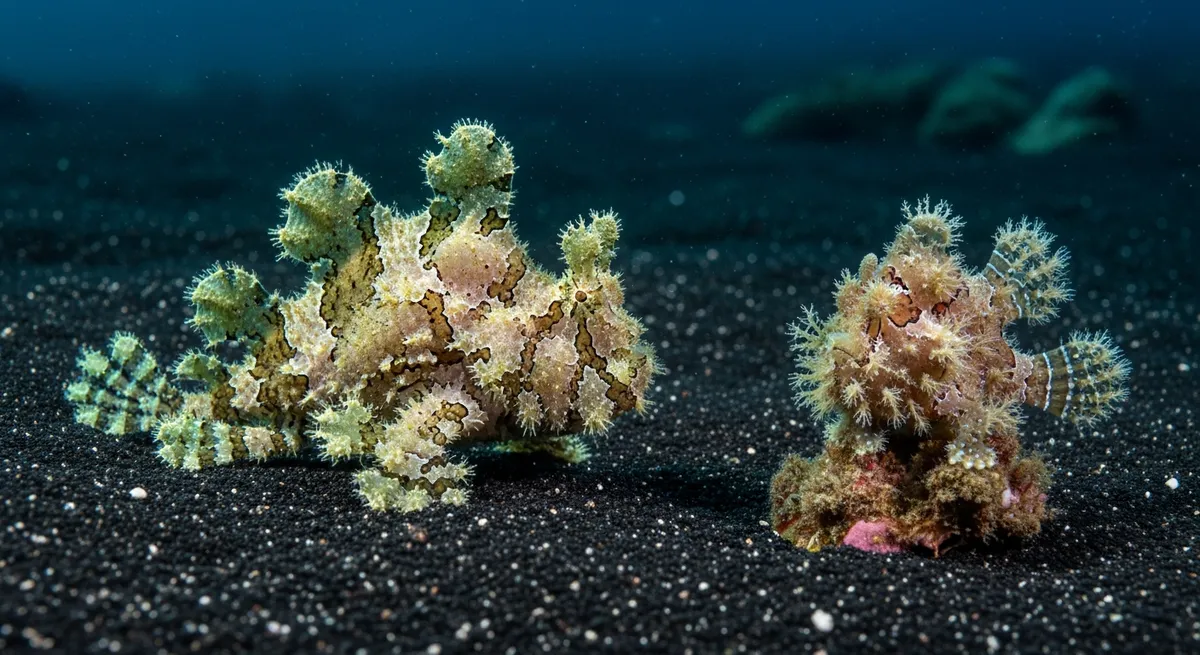
World-class muck diving in Ambon Bay with rare critters including the psychedelic frogfish. The Spice Islands offer a unique blend of critter hunting and pristine reef diving.
Bali
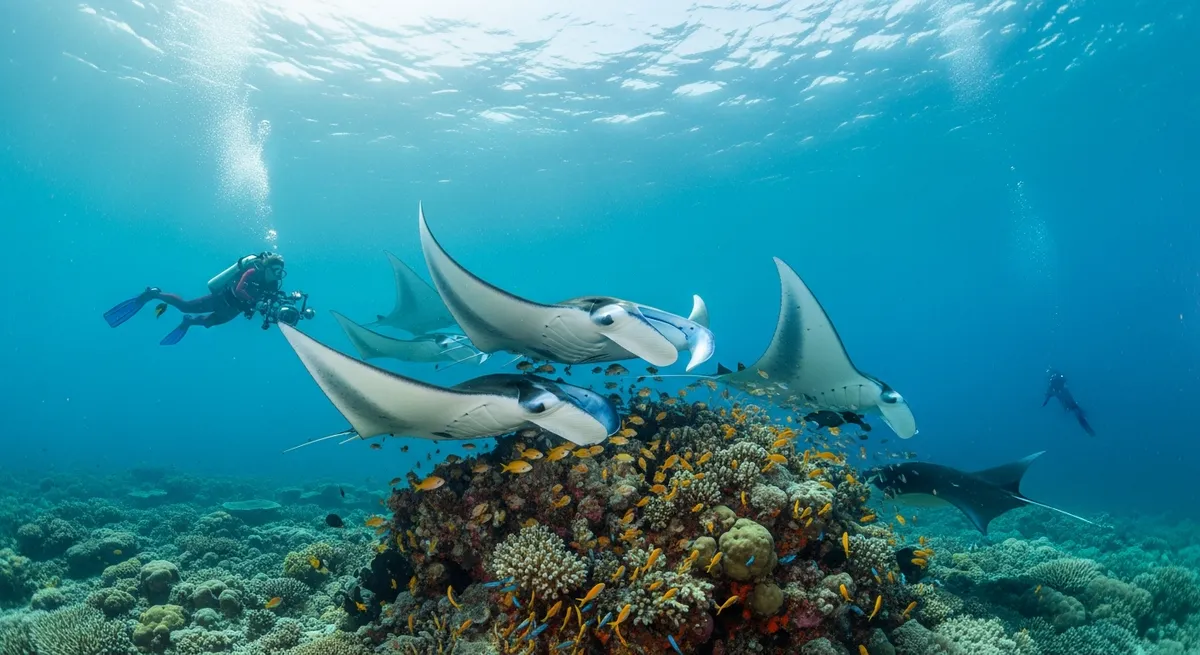
Bali diving feels like choosing your own adventure. We’ve had incredible luck with the USAT Liberty wreck at Tulamben - a shallow-water behemoth that’s just begging for exploration. You can spend an entire dive just circling its bow, watching the schools of fusiliers swirl so thick they block out the sun, or hunting for those tiny pygmy seahorses clinging to the gorgonians. Our favourite time there is early morning, before the day boats arrive, when the light filters through the structure and casts long, dancing shadows. Then you’ve got Nusa Penida, a completely different beast. It’s where we go for the big stuff. The drift dives around Crystal Bay and Manta Point are exhilarating - sometimes a bit of a washing machine, but that’s the price you pay for seeing a manta ray glide silently over your head, its wingtips almost brushing you. We’d suggest going between July and October for the best chance of spotting a Mola Mola at depth, though a few years back we saw one at just 15 metres, massive and serene, just off a rocky outcrop. Keep an eye out for the smaller critters too - we’ve often spotted Seastar Shrimp tucked into anemones on the reef flats when the current eases. It’s busy, yes, but the sheer variety keeps us coming back.
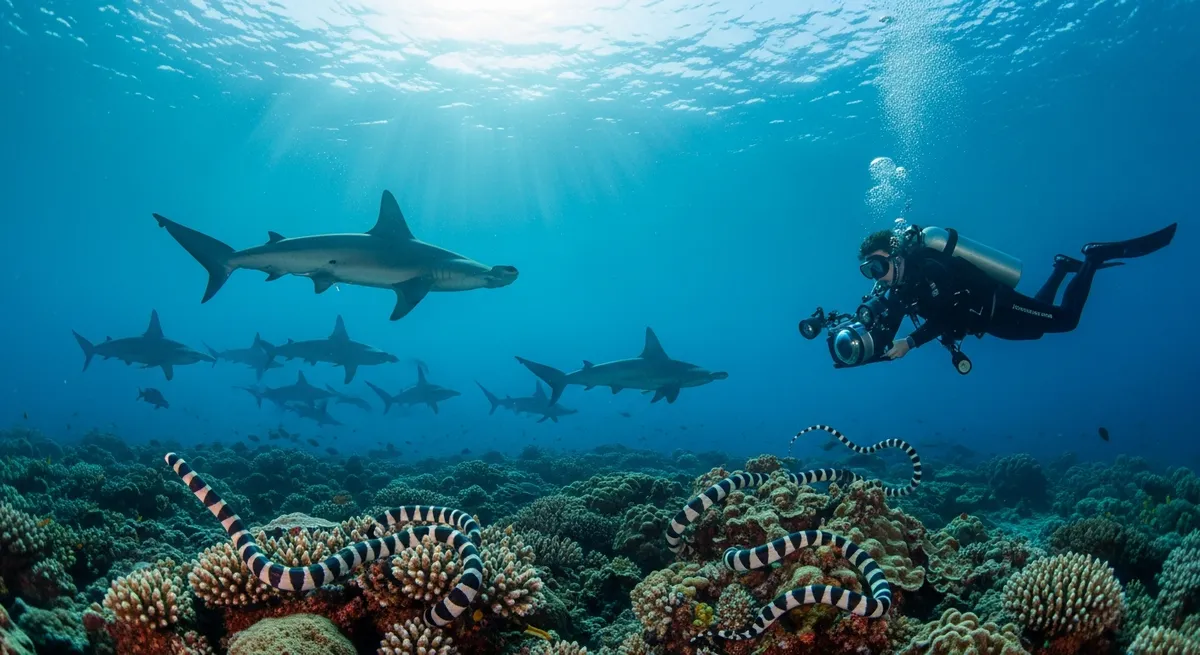
Banda Sea
Remote and expedition-only, the Banda Sea offers encounters with hammerhead sharks, whale sharks, and massive schools of pelagics.
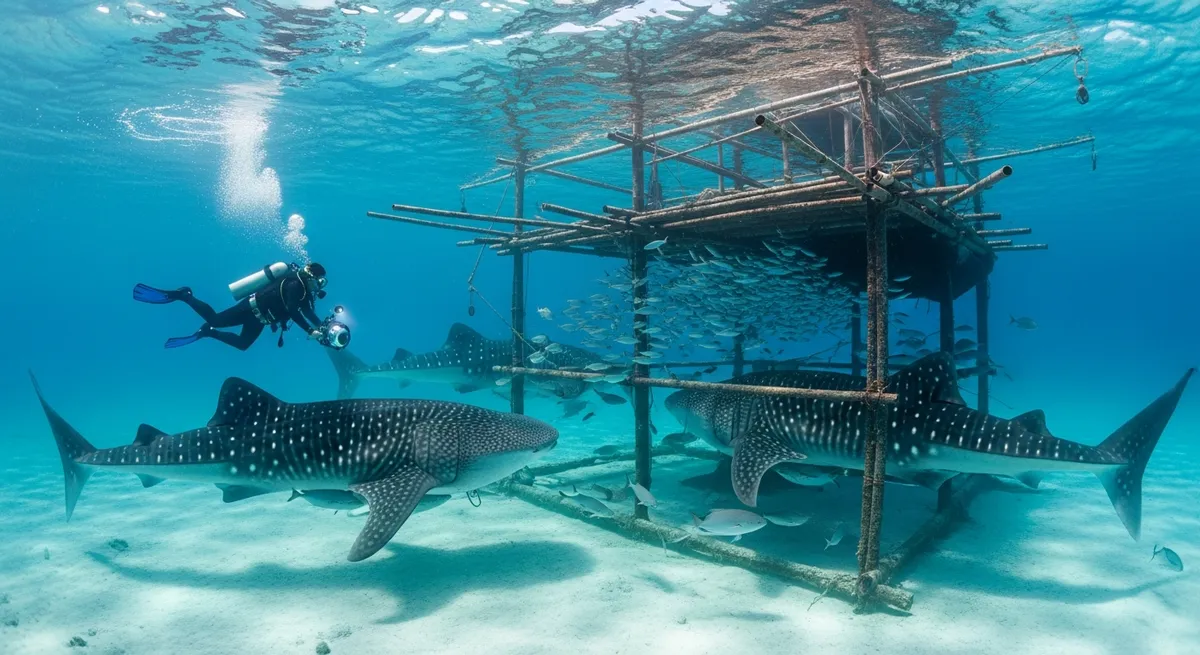
Cenderawasih Bay
Cenderawasih Bay feels like stepping back in time, a truly unique corner of Papua. We love it because it’s one of the few places where you can consistently dive with whale sharks, often multiple individuals, pretty much any day of the year. They hang out near the local *bagans* - those traditional fishing platforms - and seem completely unfazed by divers. We’ve had encounters where they circle for an hour, their rough skin brushing past as they filter feed. Beyond the big fish, the endemic species here are fascinating; keep an eye out for the Cenderawasih fusilier, a flash of yellow and purple that’s special to this bay. The dive sites offer a real mix, from healthy reefs draped in Montipora and staghorn corals to some surprisingly good muck diving, particularly around the shallower parts near the *bagans*. We’ve found the currents generally mild, making it a relaxed experience, which is a bonus when you’re busy trying to count the spots on a whale shark’s back. While there aren’t dive centres on shore, liveaboards are the way to go here, offering access to its more remote reaches. Our advice? Go slow. Take your time with the whale sharks, then switch gears and scour the reef for those smaller, endemic beauties.
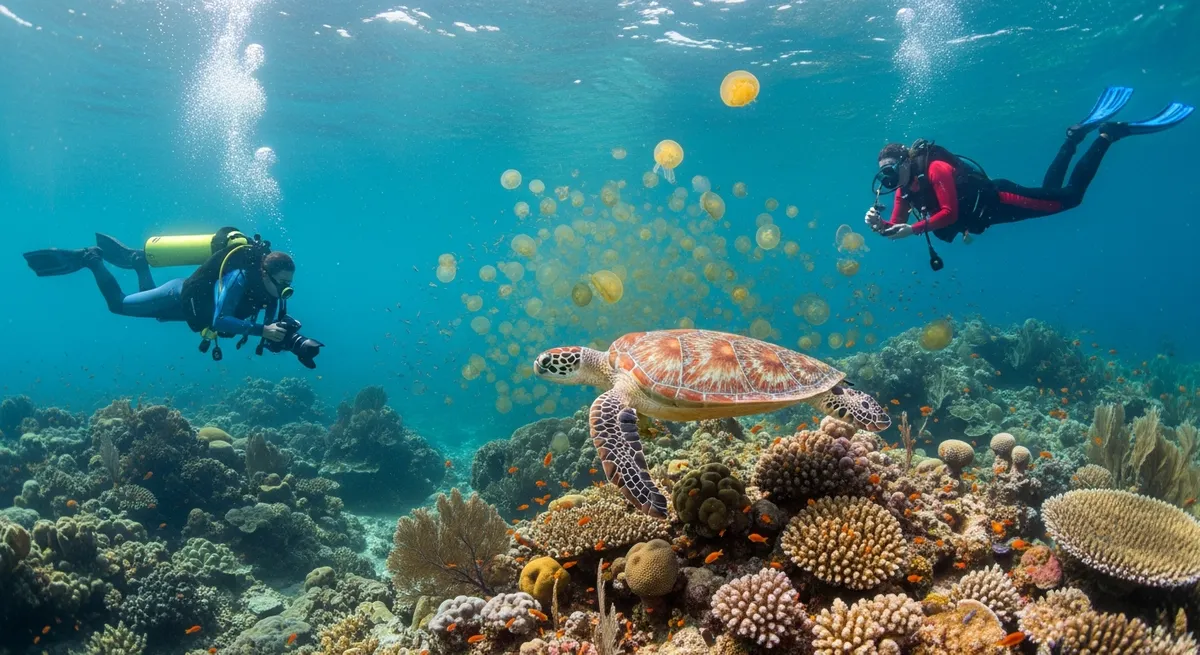
Derawan Islands
Derawan feels like a secret, even though the word is definitely out. It’s remote, sitting off the coast of Borneo, and that journey is part of its charm - we always feel we’ve earned the diving by the time we arrive. The diving here is wonderfully varied; you'll drift along walls at Maratua, where the barracuda often gather in a dense, swirling tornado, a truly impressive sight. Sangalaki is our favourite for mantas, especially during the plankton blooms, they glide past with such easy grace. But the absolute standout, the thing we tell everyone about, is Kakaban. Picture this: you fin through a narrow channel and emerge into a landlocked saltwater lake, warm and green. The water is thick with jellyfish, but they don't sting. It’s surreal to swim amongst them, a soft, pulsating cloud all around you. You’ll find healthy staghorn and table corals across many of the reefs, too, with plenty of compressed toby and black-belt hogfish darting about. Conditions can vary, so we always suggest checking local reports for current strength, especially around Maratua's channels. Dive centres are few, so book ahead.
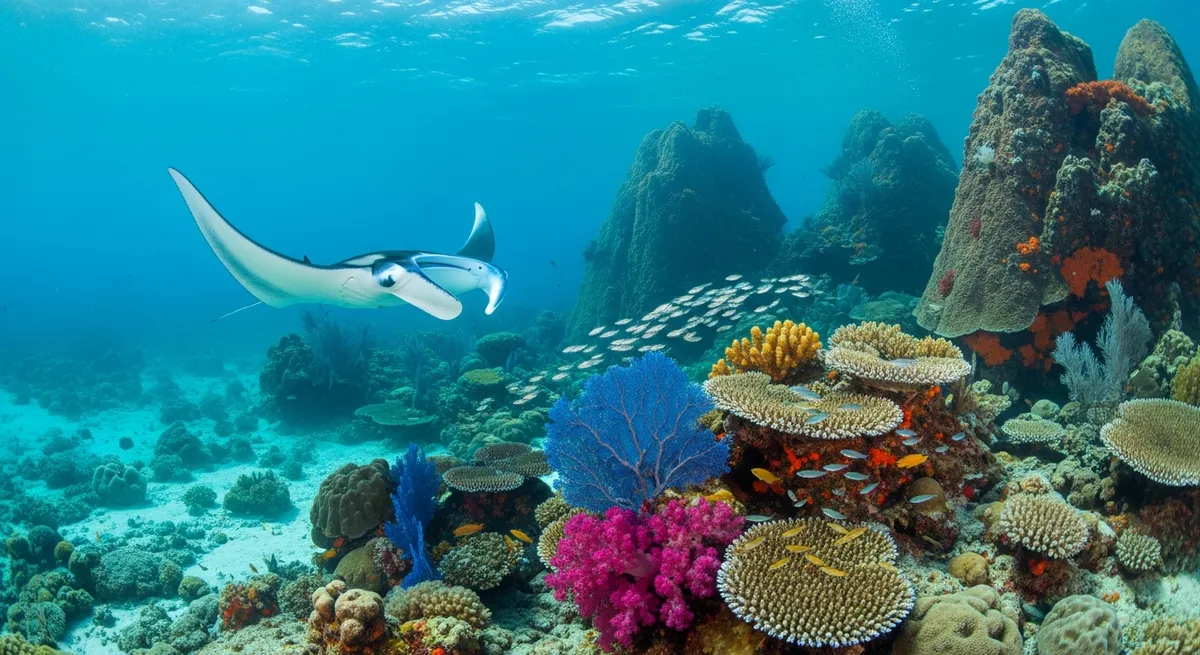
Flores
Flores. What a place. We love it for its sheer variety, acting as a kind of buffer between the madness of Komodo and the deeper, more remote sites around Alor. You get everything here, from the gentle, sun-dappled slopes of coral gardens, thick with fusiliers and chromis, to some proper adrenaline-pumping drift dives. We’ve seen Allison’s tuna hunting here, a flash of silver in the blue. The diving around Flores often feels like a secret, even with its proximity to Komodo. Our favourite spots are the current-swept channels, where you can hook in and watch the show. Camouflage groupers seem to materialise from the reef, and if you’re lucky, you might spot a Stobbs' pygmygoby peeking from its coral home. We’d suggest diving early to catch the best light on the coral, especially the staghorn patches which just glow in the morning sun. Just remember, currents can be swift, so be ready for some serious motion.
Halmahera
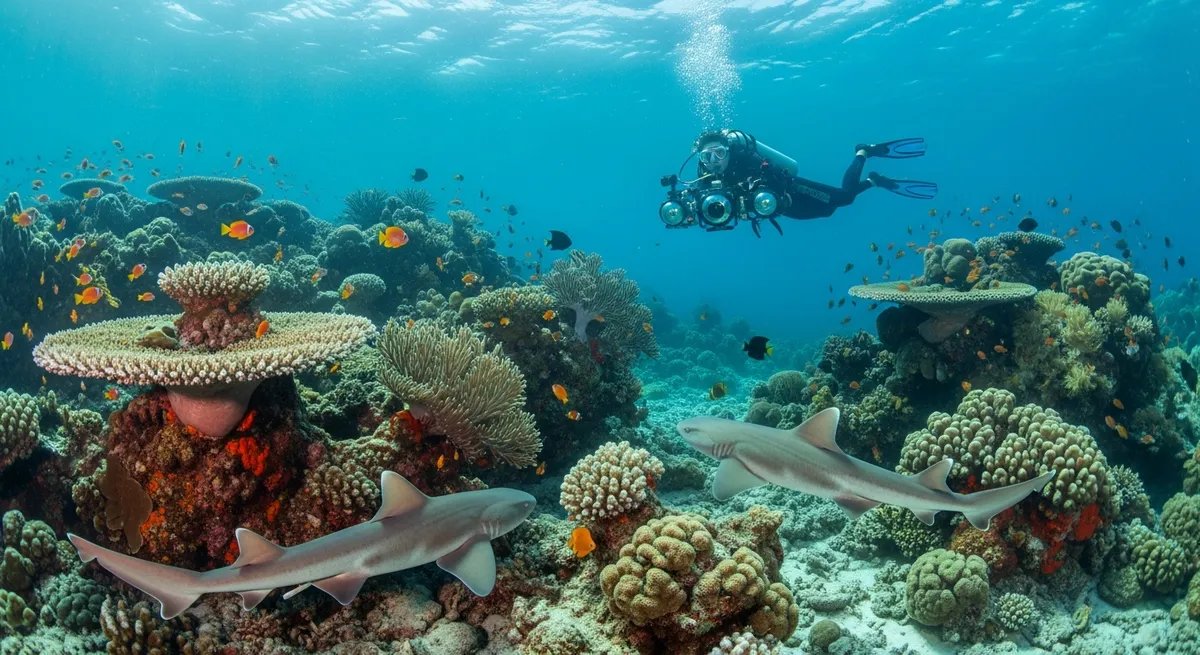
Halmahera feels like exploring uncharted territory, even in Indonesia. It’s frontier diving, pure and simple, and we love that raw, untamed feel. You’ll find healthy reefs here, largely untouched, where the corals - particularly the staghorn and turbinaria - grow in massive, sprawling formations. Diving a wall, you might spot pinkfish darting through the coral branches and thick schools of bullet mackerel swirling in the blue. What makes Halmahera special for us is the genuine sense of discovery. We’ve been on dives where we felt like the first people to ever drop in, and that’s a rare thrill these days. Beyond the reefs, there are scattered WWII wrecks, silent reminders of another era, now home to silver sillago and flathead sleepers. Currents can be present, as you’d expect from a place with such vibrant marine life, so intermediate diving experience is a good idea. Our tip? Go during the dry season for the clearest visibility and calmest surface conditions, making those deeper wall dives even more rewarding. It’s not a place for resort crowds; it’s for divers who want to see what diving used to be like.
Komodo
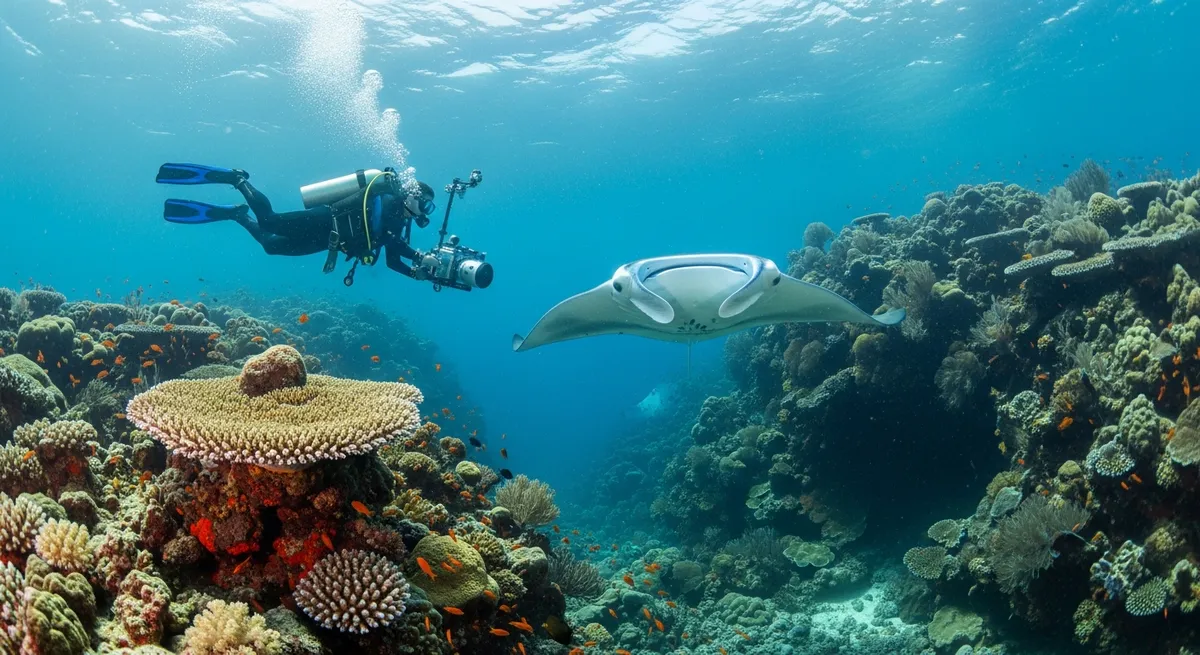
Komodo. Just the name conjures images of dragons and, for us, some truly electrifying diving. We’ve logged more bottom time here than almost anywhere else, and it never gets old. Picture yourself dropping into a dive at Batu Bolong, where the current parts around a pinnacle, revealing a wall absolutely plastered in corals. We’re talking Montipora and corrugated corals in shades you didn’t know existed, and then a cloud of yellowstriped cardinalfish just hangs there. It’s glorious. What we really love about Komodo is the sheer energy of the place. You’ll be soaring along a drift dive at Manta Alley, feeling the water push you, and then a train of mantas glides by, their mouths open wide. It’s often a bit chilly down there, a good 24°C, but that’s what brings in all the good stuff. We’ve seen black comb-tooth blennies peering from their holes and even spotted a fringe-eye flathead tucked into the sand. For a change of pace, we always make time for a muck dive. You might find an Indian seahare inching along or a tiny Kankra crab scuttling past. The currents can be fierce, especially around the full and new moons, so don’t underestimate them. Go with an experienced operator who knows the tides. We always recommend hitting the southern sites like Manta Alley in the dry season, roughly April to October, for the best chances with the big pelagics. The visibility is usually excellent then too, easily 20 meters plus.
Lombok & Gili Islands
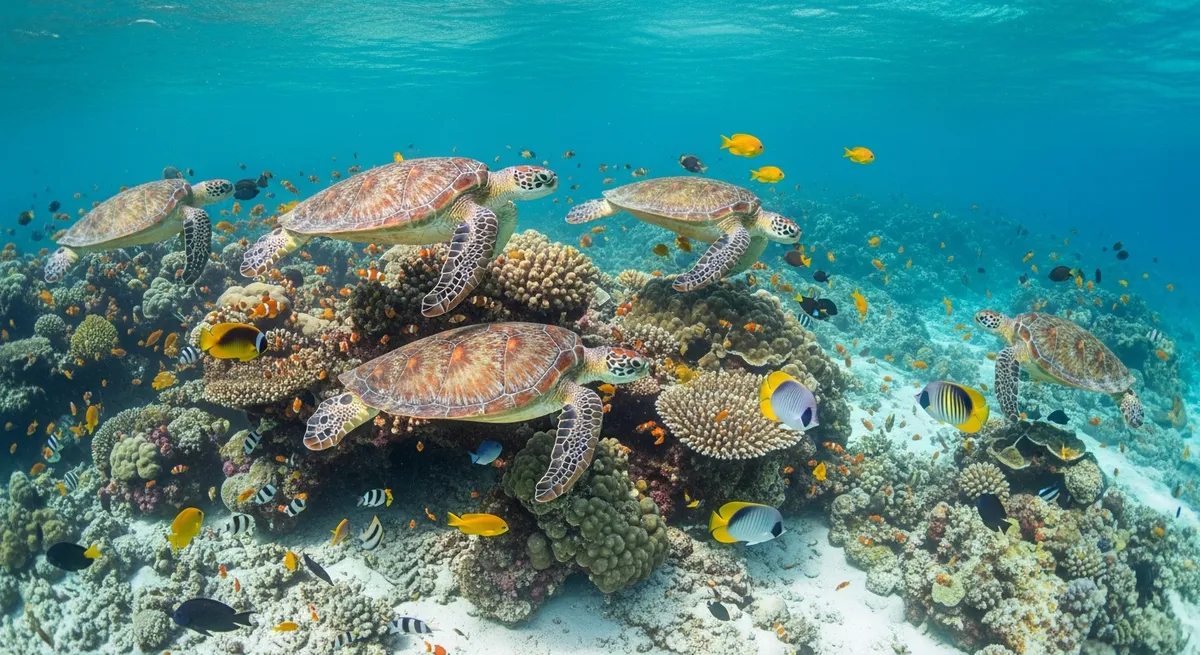
Lombok and the Gilis, for us, offer a really satisfying mix. You’ve got the easygoing Gili vibe, where Green Sea turtles practically queue up to pose for photos, then the wilder south coast of Lombok, with its proper currents and bigger fish. We really love the contrast. The Gili Islands, especially around Gili Trawangan and Meno, are a fantastic place to just switch off and glide. You’ll drift past schools of Blue-lined Surgeonfish, watch juvenile reef sharks cruise the coral heads, and spot Olive Ridleys munching away. It's relaxed, generally clear, and perfect for a few consecutive dives. Head south to Lombok, though, and it's a different game. The currents pick up, the topography gets more dramatic, and suddenly you’re looking for pelagics. We’ve had some truly exhilarating drift dives there, eyes peeled for Silvertip sharks and even a fleeting glimpse of a Silky. Keep an eye out for the more unusual stuff too - Crescent Grunters under ledges, tiny Seastar Shrimp on their namesake hosts. The variety keeps us coming back.
Raja Ampat
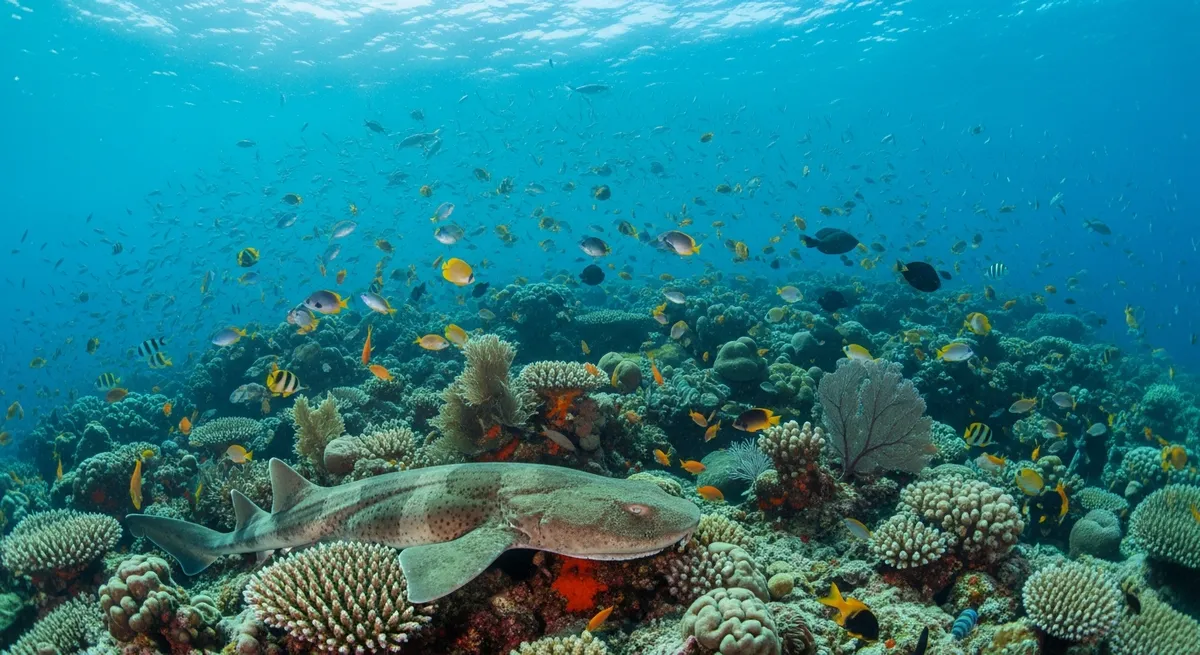
Raja Ampat is an opinion-splitter, but we think it’s absolutely worth the journey. We’ve been a few times now, and each trip peels back another layer. Forget the sheer number of species; what’s really special is the *density* of it all. You’ll be finning along a reef, maybe at Melissa's Garden, and the fusiliers are so thick you practically have to push through them. Then, out of the blue, a Napoleon wrasse cruises by, completely unfazed. We’re big fans of the northern islands, particularly around Kawe and Wayag, where the pinnacles are just bursting with life. Currents can be properly feisty here, no doubt about it, but that’s what brings in the action. Think blacktip reef sharks circling out in the blue, or schools of barracuda forming a shimmering wall. Our favourite spot for mantas has to be Manta Ridge; we’ve seen them stacked up at the cleaning station, sometimes seven or eight at a time, just hovering there. For macro, a good guide will find you pipefish and pygmy seahorses tucked into every nook. It’s a place that demands respect for the ocean, but the rewards are immense. Go in the shoulder seasons, April or October, to avoid the slightly busier peak.
Sulawesi
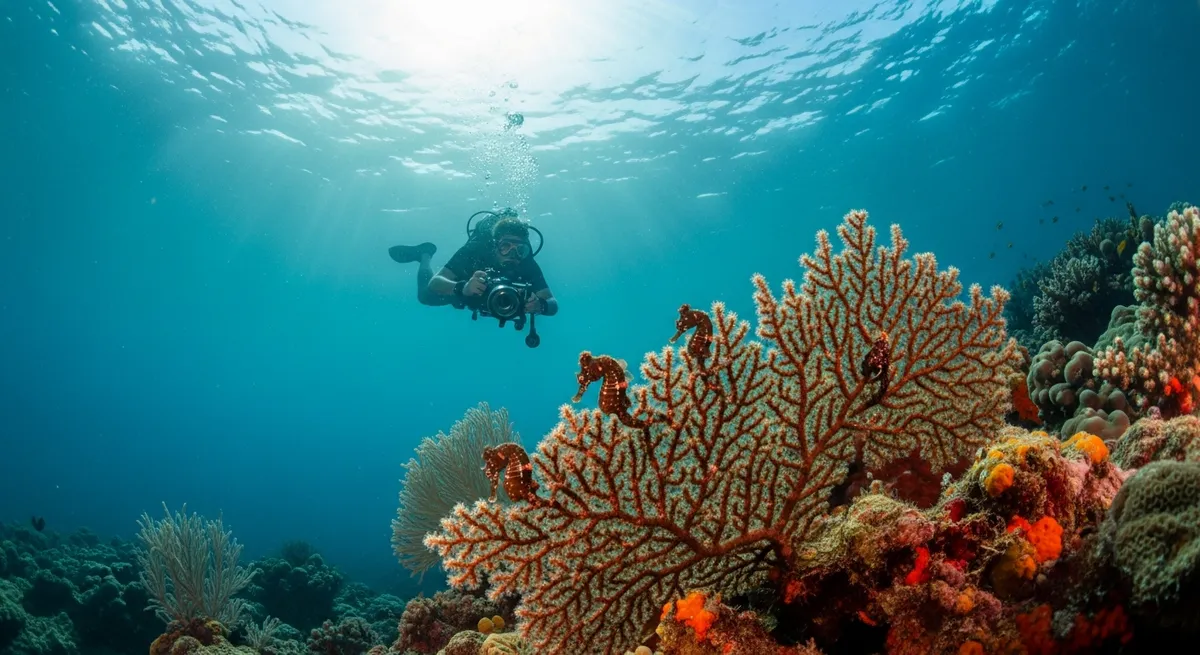
Sulawesi is a big place, so we’re talking several distinct dive personalities here. Bunaken Marine Park, for example, is all about those dizzying walls. You drop down, the blue stretching forever, and you just drift along, watching reef sharks patrol the edge and turtles munching on sponges. We love the sheer scale of it, and often the thermoclines bring in bigger pelagics. Then you’ve got Lembeh Strait. Forget wide-angle lenses; this is macro heaven. It’s not "pretty" in the usual sense; the volcanic sand slopes can look a bit desolate topside. But get under, and it’s an alien landscape. We’ve spent entire dives watching a flamboyant cuttlefish hunt or finding hairy frogfish tucked into a sponge. It’s slow diving, eyes to the sand, and truly rewarding. Wakatobi, further south, is a different beast entirely. Think vibrant, healthy reefs that just explode with colour. Our favourite spots there are usually the sheltered coves where the light filters through the soft corals, making everything glow. You’ll see schools of fusiliers so thick they block the sun, and the coral structures themselves are just immense. The currents can pick up, especially around the full moon, but that’s when the reef comes alive with feeding action. Overall, whether you’re into big walls, tiny critters, or pristine reefs, Sulawesi offers it. Just be prepared to travel a bit between the regions to experience the full spectrum.
Sumatra
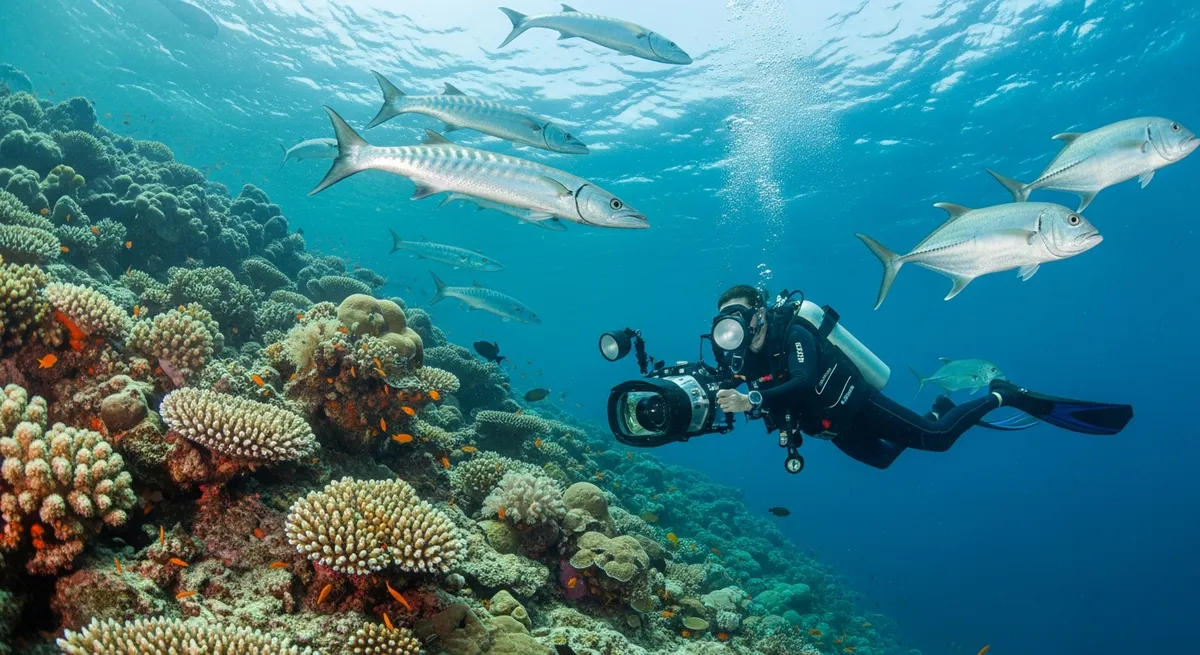
Sumatra, often overshadowed by Indonesia’s more famous dive destinations, offers a compelling mix for those willing to venture a little further. Off the northern tip, Pulau Weh serves up some genuinely nice reef diving in the Andaman Sea. We’ve had some memorable drifts there, spotting large schools of Ehrenberg’s snapper and plenty of orbicular batfish hanging around the pinnacles. The corals, like the cactus coral, are in good shape, and we often find ourselves drifting past big patches of them. Move further south and west to the remote Mentawai Islands, and it’s a different vibe entirely. Here, you’re often diving completely uncrowded reefs, a real treat when you consider some of the busier spots in Southeast Asia. The currents can be quite lively in places, making for some exhilarating dives, and while the surf breaks draw a crowd, the underwater world feels largely untouched. You’ll see plenty of checkered seaperch and redcoats darting amongst the reef structure here.
Ocean Wildlife in Indonesia
805 species recorded in Indonesia
Indonesia Visa Requirements
Check if you need a visa to dive in Indonesia
Plan & book
Ways to dive Indonesia, from day trips to liveaboards.
Day trips & courses
via GetYourGuideGuided dives, courses and snorkel trips with instant booking.
Find dive trips in IndonesiaPlaces to stay
via Booking.comHotels and dive resorts near Indonesia.
Search stays in IndonesiaDive insurance
Most travel insurance excludes or limits scuba. Check what you need before you go.
Dive insurance explainedPartner links: we may earn a commission if you book, at no extra cost to you. How we make money