Golden Passage Komodo
Protected Area
Komodo
Why dive here
With 203+ marine species recorded in the area - including manta rays, mobula rays (devil rays), pygmy seahorses, sea turtles and sperm whales - Golden Passage Komodo offers some of Komodo's richest drift diving. Water ranges 28-30°C, warmest April, May, November.
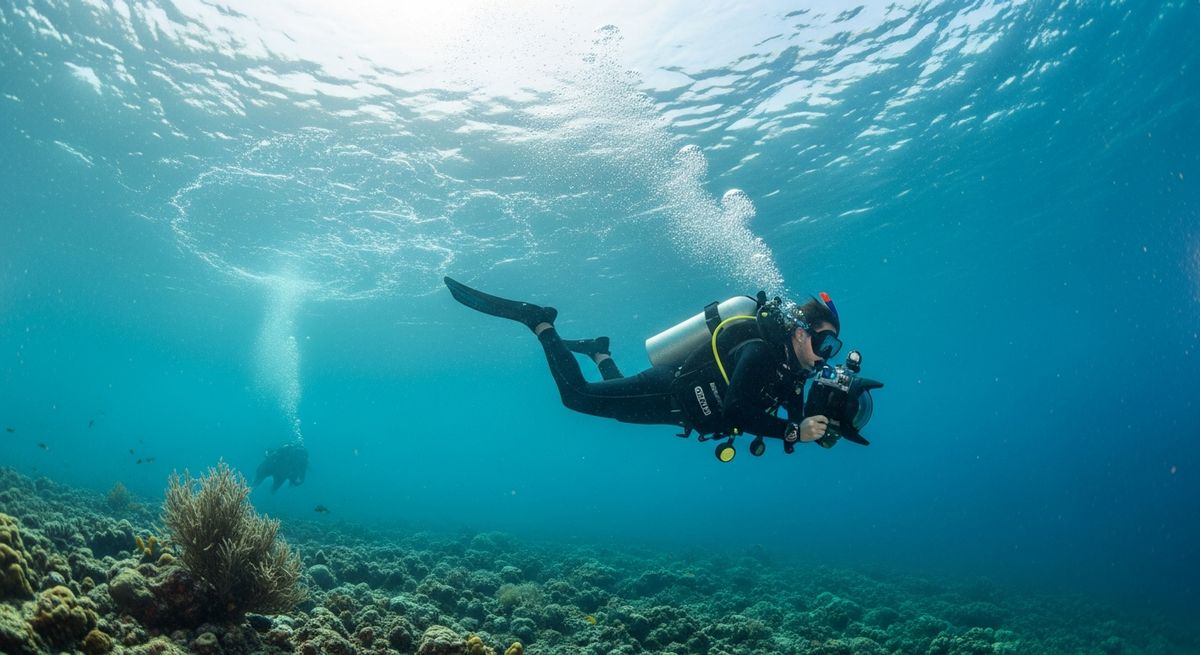
Golden Passage feels like someone left a tap on high in the ocean. This site, snuggled into Komodo’s northern reaches, is all about the flow. We love drifting along the sloping reef, usually at around 15-20 meters, just watching the world rush by. If you hit it right, typically around an incoming tide, the current brings in schools of fusiliers so thick they momentarily block out the sun, and sometimes the whole show is punctuated by a cruising blacktip or whitetip reef shark. Our favourite part has to be looking into the nooks and crannies of the coral, where you might spot a shy Christmas Blenny peeking out, or a meticulously camouflaged Crinoid clingfish. Deeper, around 20-25m, the Yellowspotted Dottybacks dart among the corals. It’s a site for experienced divers who enjoy a bit of a ride and really appreciate the smaller, intricate reef life alongside the bigger pelagics. Keep an eye out for the unusual Bracket Coral formations here, they’re quite striking.
Typical Golden Passage Komodo Dive Profile
Illustrative profile based on site depth and type. Actual dive profiles vary - always follow your dive computer and training.
Safety Notes
Drift dive - carry a surface marker buoy (SMB) and stay with your group. Brief the current direction before entry.
Always perform a 3-minute safety stop at 5m before surfacing.
Nearest Dive Centres to Golden Passage Komodo
Dive shops near Golden Passage Komodo
Batara Baruna
Neptune Scuba Diving Komodo
Komodo Aggressor
Signature Scuba Flores
Scuba Junkie Komodo
Aqura Dive Center
Reviews for Golden Passage Komodo
Conditions
Ocean conditions, forecast and tides for Golden Passage Komodo
Golden Passage Komodo Ocean Conditions
Monthly averages for Golden Passage Komodo, sourced from Open-Meteo marine data + Copernicus Marine (EU) - nearest station: Open-Meteo marine grid (-8.39, 119.8) (79km away)
October Averages
Sea Temperature
30°C
85°F · Range: 28.1–30.9°C
Current Speed
4.24 cm/s
Direction: NW (315°)
Chlorophyll-a
0.175 mg/m³
Clear water
Salinity
34.03 PSU
Based on 4 years of monitoring data · Data sources: Open-Meteo marine data + Copernicus Marine (EU)
Plan & book
Ways to dive Komodo, from day trips to liveaboards.
Day trips & courses
via GetYourGuideGuided dives, courses and snorkel trips with instant booking.
Find dive trips in KomodoPlaces to stay
via Booking.comHotels and dive resorts near Komodo.
Search stays in KomodoDive insurance
Most travel insurance excludes or limits scuba. Check what you need before you go.
Dive insurance explainedPartner links: we may earn a commission if you book, at no extra cost to you. How we make money
Where to Stay near Golden Passage Komodo
Prices from Booking.com. We may earn a commission at no extra cost to you.