Kolo-Kolo
Protected Area
KK di Perairan di Wilayah Pasi Gusung
Why dive here
With 203+ marine species recorded in the area - including manta rays, mobula rays (devil rays), pygmy seahorses, sea turtles and sperm whales - Kolo-Kolo offers some of Komodo's richest reef diving. Water ranges 28-30°C, warmest April, May, November.
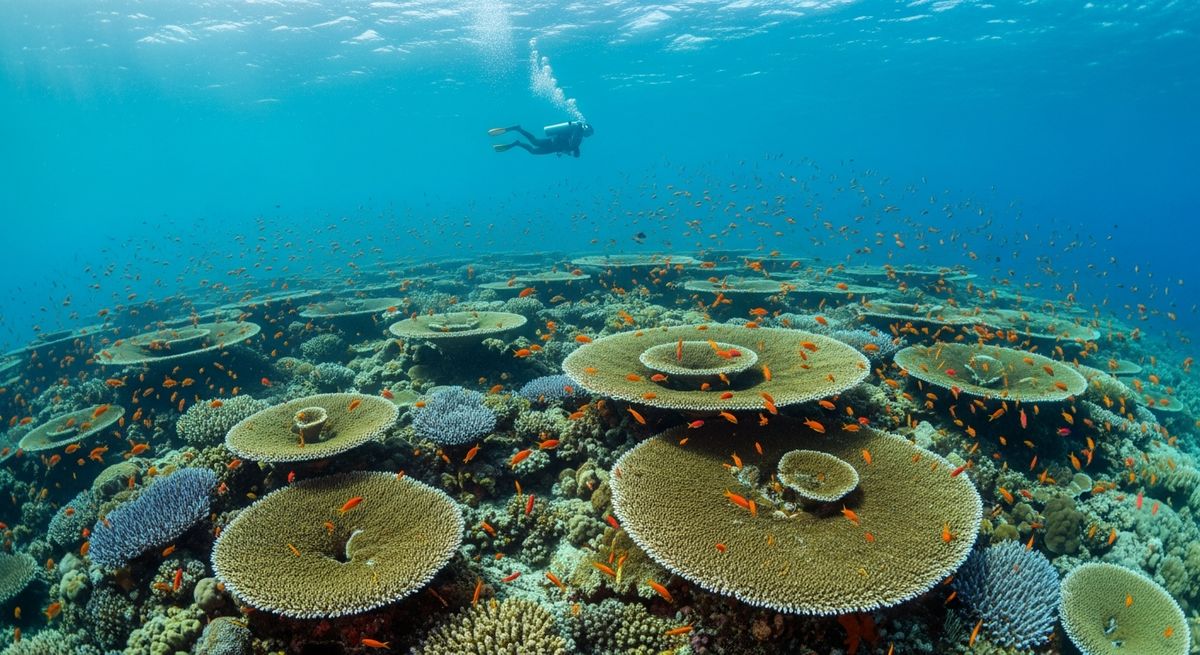
Kolo-Kolo always feels like a secret, even though it’s just a half-hour boat ride from Pattumbukan. We’ve had some truly tranquil drift dives here, a welcome change from the usual Komodo adrenaline. The limestone wall drops to about 25 metres, covered in these incredible gorgonian sea fans and a good mix of soft corals. It’s a slow, gentle push along the reef, perfect for just watching things unfold. We often spot Napoleon wrasse cruising the wall, and there’s usually a resident green turtle or two munching on the seagrass. Keep an eye out for pygmy seahorses in the sea fans; we’ve had luck spotting them more than once. The visibility averages around 15 metres, which is decent, and the mild current means you can really take your time to explore the crevices for nudibranchs and moray eels. It’s a site for divers who appreciate the quieter moments, the macro life, and a relaxed drift without the washing machine effect.
Nearest Dive Centres to Kolo-Kolo
Dive shops near Kolo-Kolo
View all dive centres in KomodoReviews for Kolo-Kolo
Conditions
Ocean conditions, forecast and tides for Kolo-Kolo
Kolo-Kolo Ocean Conditions
Monthly averages for Kolo-Kolo, sourced from Open-Meteo marine data + Copernicus Marine (EU) - nearest station: Open-Meteo marine grid (-8.39, 119.8) (79km away)
October Averages
Sea Temperature
30°C
85°F · Range: 28.1–30.9°C
Current Speed
4.24 cm/s
Direction: NW (315°)
Chlorophyll-a
0.175 mg/m³
Clear water
Salinity
34.03 PSU
Based on 4 years of monitoring data · Data sources: Open-Meteo marine data + Copernicus Marine (EU)
Plan & book
Ways to dive Komodo, from day trips to liveaboards.
Day trips & courses
via GetYourGuideGuided dives, courses and snorkel trips with instant booking.
Find dive trips in KomodoPlaces to stay
via Booking.comHotels and dive resorts near Komodo.
Search stays in KomodoDive insurance
Most travel insurance excludes or limits scuba. Check what you need before you go.
Dive insurance explainedPartner links: we may earn a commission if you book, at no extra cost to you. How we make money
Where to Stay near Kolo-Kolo
Prices from Booking.com. We may earn a commission at no extra cost to you.