Little Wall
Protected Area
KK di Perairan di Wilayah Pasi Gusung
Why dive here
With 203+ marine species recorded in the area - including manta rays, mobula rays (devil rays), pygmy seahorses, sea turtles and sperm whales - Little Wall offers some of Komodo's richest pinnacle diving. Water ranges 28-30°C, warmest April, May, November.
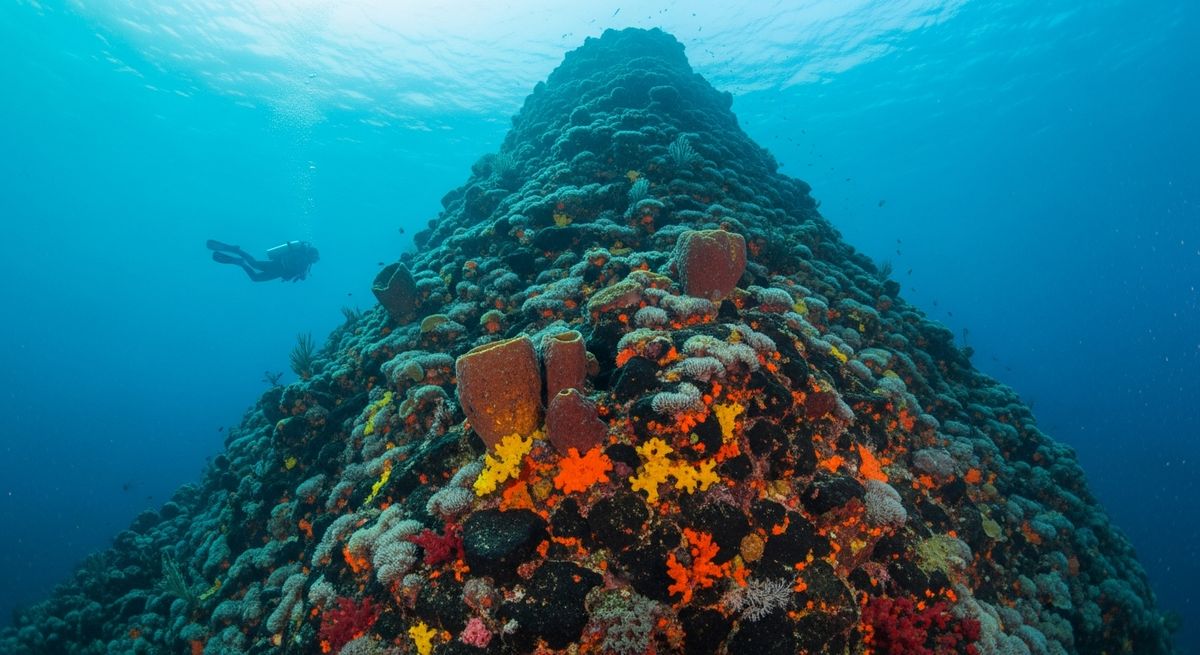
Little Wall sometimes gets overlooked for its more famous neighbours in Komodo, but we think that's a mistake. This site is exactly what it sounds like: a charming, miniature wall dive that drops to about 22m, perfect for when you want a break from the rip-roaring drift dives Komodo is famous for. We've often found ourselves here on days when the currents are a bit too feisty elsewhere, and it's always delivered. You'll spend most of your dive tracing the contours of the limestone wall, where bracket corals jut out like miniature shelves and common mushroom corals dot the shallower sections. Keep an eye out for peacock-tail anemone shrimp doing their little dance and the surprisingly vibrant darklined fire worms. We’ve spotted sleepy lobsters tucked into crevices and, on a good day, a leatherback sea turtle cruising by. Visibility averages around 18-25m, offering clear views of the busy reef fish. This is a wonderfully relaxed dive, ideal for photographers or anyone who just wants to take their time exploring without battling a strong current. It’s also a good choice for newer divers building confidence in wall environments.
Nearest Dive Centres to Little Wall
Dive shops near Little Wall
View all dive centres in KomodoReviews for Little Wall
Conditions
Ocean conditions, forecast and tides for Little Wall
Little Wall Ocean Conditions
Monthly averages for Little Wall, sourced from Open-Meteo marine data + Copernicus Marine (EU) - nearest station: Open-Meteo marine grid (-8.39, 119.8) (79km away)
October Averages
Sea Temperature
30°C
85°F · Range: 28.1–30.9°C
Current Speed
4.24 cm/s
Direction: NW (315°)
Chlorophyll-a
0.175 mg/m³
Clear water
Salinity
34.03 PSU
Based on 4 years of monitoring data · Data sources: Open-Meteo marine data + Copernicus Marine (EU)
Plan & book
Ways to dive Komodo, from day trips to liveaboards.
Day trips & courses
via GetYourGuideGuided dives, courses and snorkel trips with instant booking.
Find dive trips in KomodoPlaces to stay
via Booking.comHotels and dive resorts near Komodo.
Search stays in KomodoDive insurance
Most travel insurance excludes or limits scuba. Check what you need before you go.
Dive insurance explainedPartner links: we may earn a commission if you book, at no extra cost to you. How we make money
Where to Stay near Little Wall
Prices from Booking.com. We may earn a commission at no extra cost to you.